Researchers are working to enhance space weather predictions to protect vital infrastructure like power grids and satellites from solar activity.

Key facts
- •A 2025 Lloyds estimate suggests a severe space weather event could cost the global economy $2.4 trillion over five years.
- •The Met Office has been working with infrastructure operators on space weather safety since 2014.
- •The Sun reached its peak activity cycle, the Solar Maximum, in 2024.
- •The research project involves Aberystwyth, Northumbria, Durham, and Reading universities.
- •Astronauts in space can experience flashes of light on their retinas caused by galactic cosmic rays passing through spacecraft materials.
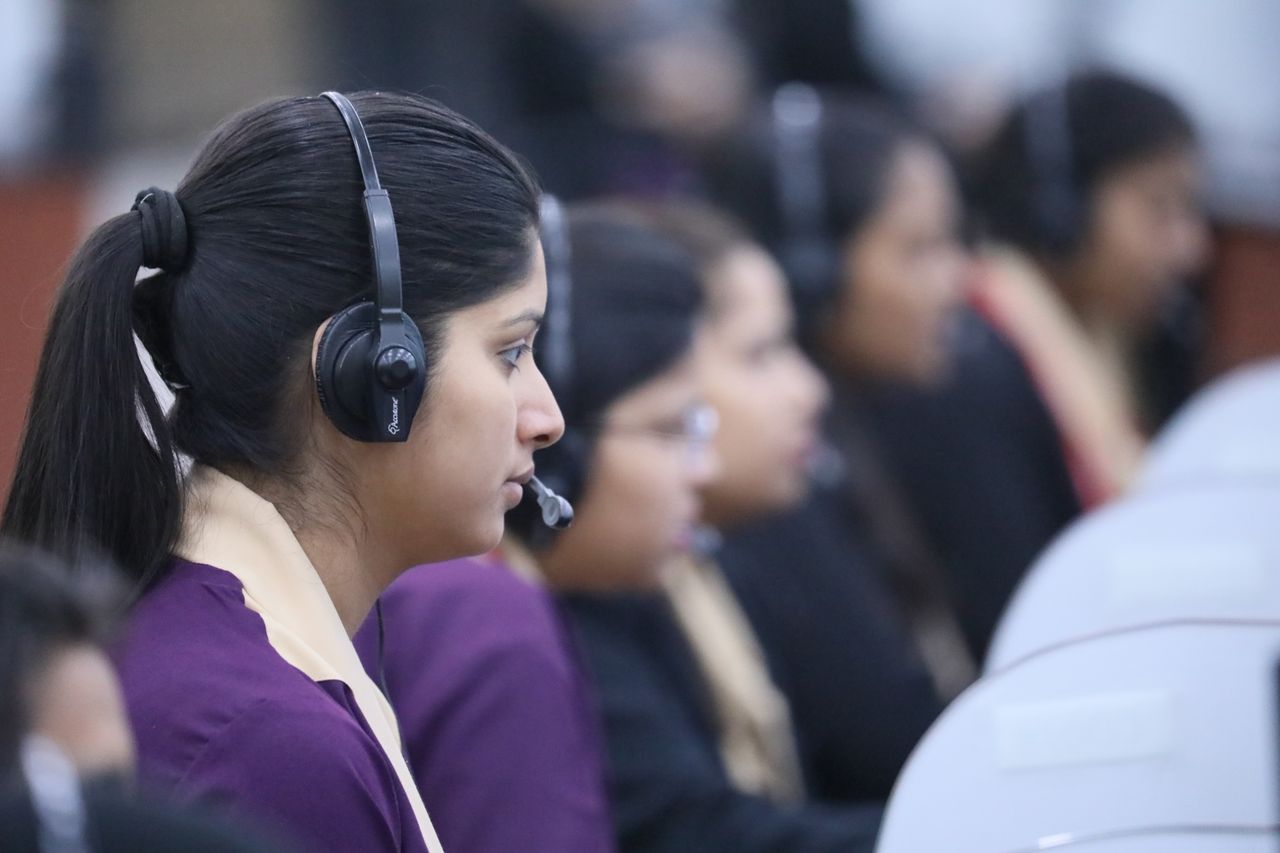
The UK Met Office operates a 24-hour space weather prediction team to monitor solar activity that can disrupt Earth's power grids, satellites, and GPS. To improve forecasting capabilities, the agency has partnered with a research group led by Aberystwyth University. This initiative aims to better predict solar events and provide earlier warnings to infrastructure operators, as severe space weather is now included in the UK government's National Risk Register.
By the numbers
The Challenge of Solar Forecasting
Space weather, including intense solar flares, is driven by activity on the Sun. While scientists can track events on the Sun's surface three days before they reach Earth, there is currently a monitoring gap until the activity reaches satellites about one million miles away. This leaves only about one hour to refine predictions and warn partners of potential disruptions.
Mitigating Risks to Infrastructure
The Met Office has collaborated with infrastructure operators since 2014 to manage risks. Professor Huw Morgan, who leads the research project alongside Northumbria, Durham, and Reading universities, noted that improved warnings allow the National Grid to prepare for potential power cuts and airlines to adjust flight paths. The Sun follows an 11-year activity cycle, having reached its peak, or Solar Maximum, in 2024.
Historical Context and Future Concerns
The 1859 Carrington Event, which disrupted early telegraph networks, serves as the benchmark for a worst-case scenario. Experts warn that a similar event today would have significantly greater consequences due to modern society's reliance on technology. Beyond Earth, radiation also poses risks to astronauts, who may experience visual flashes from cosmic rays when outside the protection of the Earth's magnetic field.
Timeline
- 1859The Carrington Event, a major geomagnetic storm, disrupted early telegraph networks.
- 1991Helen Sharman became the first British person in space, experiencing radiation effects on the Mir Space Station.
- 2014The Met Office began working with infrastructure operators to provide space weather forecasts.
- 2024The Sun reached the peak of its activity cycle, known as the Solar Maximum.
Advertisement
This article was independently rewritten by ManyPress editorial AI from reporting originally published by BBC Science & Environment.