Meta is encouraging developers to build their own hardware for its Muse AI agent through a new open source project called Muse Gadgets.
Key facts
- •Meta released open source firmware and a Linux SDK to allow developers to build custom Muse-powered hardware.
- •The company is manufacturing 5,000 units of the Muse Home Link, a USB-C dongle that connects the AI agent to smart home devices.
- •Suggested hardware projects include E Ink displays, HDMI sticks, and small touchscreen devices.
- •Meta has launched a dedicated Discord community to facilitate collaboration among developers and hobbyists.
- •The Muse Home Link is expected to begin shipping to subscribers sometime this month.
Meta has introduced an open source initiative called Muse Gadgets, allowing developers to create custom hardware integrated with the company's Muse AI agent. The project provides firmware and a Linux SDK to support various device configurations. To demonstrate the platform's capabilities, Meta also unveiled a proprietary smart home device called the Muse Home Link, which connects the AI agent to local network devices.
Building Custom Muse Hardware
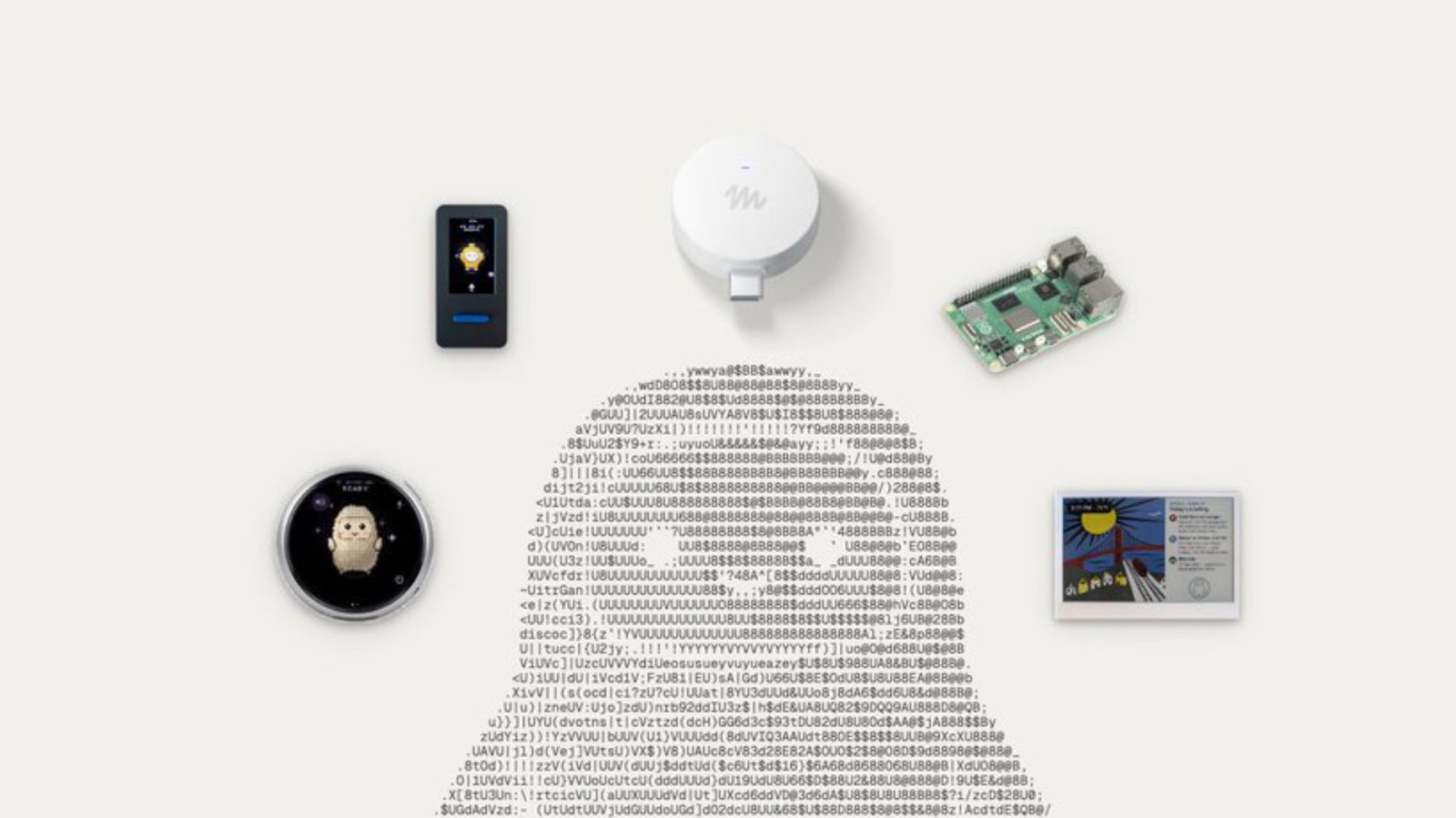
The Muse Gadgets project enables users to integrate the Muse AI agent into custom hardware using off-the-shelf components like ESP32 boards or Raspberry Pi devices. Meta suggests that developers could build devices featuring color E Ink displays for reminders, HDMI sticks for television integration, or small touchscreen accessories. The company has established a dedicated Discord community to support tinkerers and developers interested in the platform.
The Muse Home Link Device
Meta is distributing 5,000 units of its own Muse Home Link device to Muse subscribers. The USB-C powered dongle allows the AI agent to communicate with smart home hardware, including televisions, speakers, and other devices that support HTTPS. Users can sign up for a waitlist to receive the device, which is scheduled to begin shipping this month. According to Nat Friedman, head of product for Meta's superintelligence labs, the gadget enables the AI to perform tasks like controlling lights or sending documents to printers.
Advertisement
This article was independently rewritten by ManyPress editorial AI from reporting originally published by Engadget, The Verge AI.