A team from MIT won NASA’s LunaRecycle Challenge for their waste-recycling technology, receiving $775,000 in awards for their prototype and digital twin model.
Key facts
- •The MIT CERBERUZ team won both the prototype development and digital twin tracks of the competition.
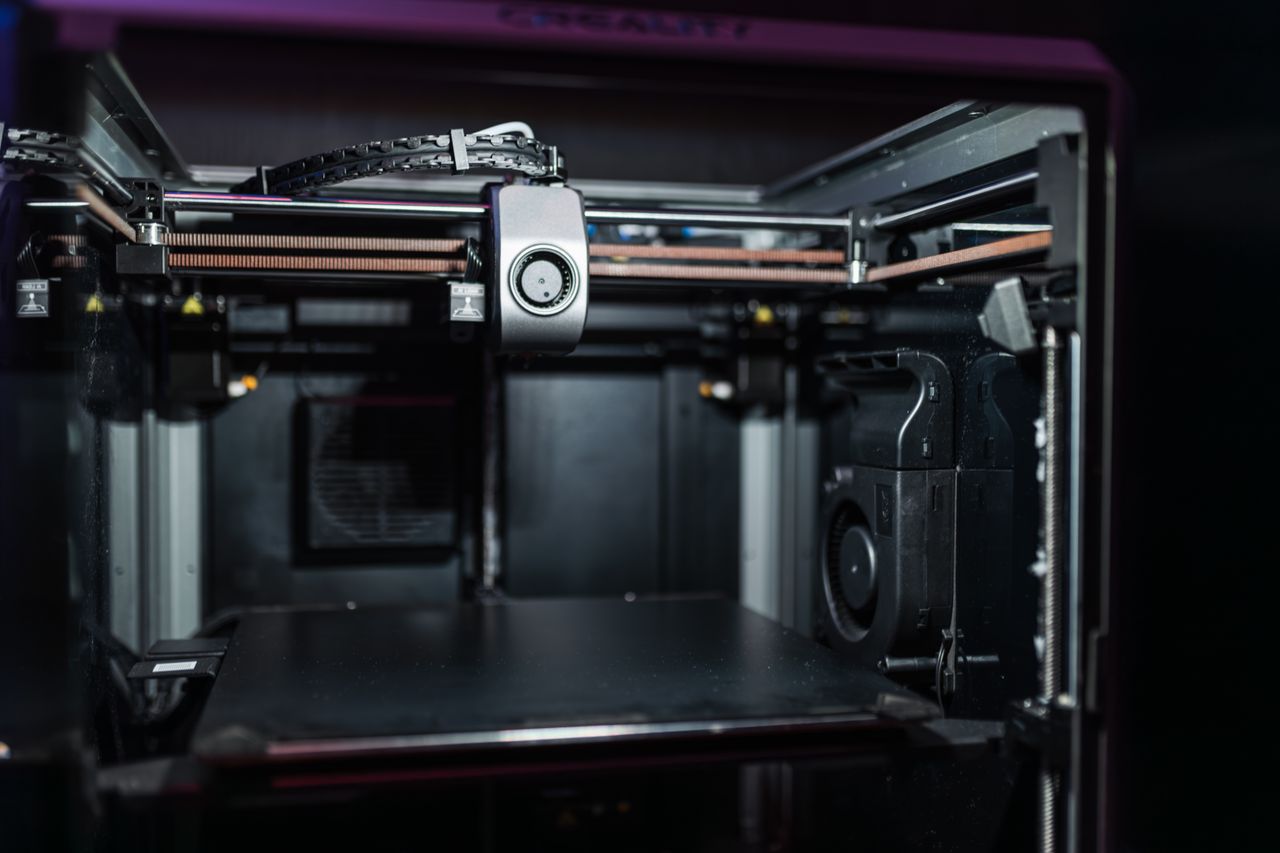
- •The winning technology converts mixed waste into powder for 3D-printing or injection molding.
- •Fourteen finalist teams demonstrated their prototypes at The University of Alabama from Aug. 24 to Aug. 28.
- •Phase 1 of the challenge, which concluded in 2025, involved 17 winning teams from five countries and nine U.S. states.
- •The total prize pool for the two-phase LunaRecycle competition is $3 million.
NASA has named a team from the Massachusetts Institute of Technology (MIT) as the first-place winner of Phase 2 of the agency’s LunaRecycle Challenge. The team, known as CERBERUZ, developed a system to recycle waste materials like foam, plastics, and metals for use in deep space missions. The competition, held at The University of Alabama, awarded the team $775,000 for their prototype and virtual digital twin model.
By the numbers
Technology and Competition Details
The CERBERUZ project, which stands for Composites for Extraterrestrial Recycling By Engineering the Reuse and Upcycling of Zotek, processes mixed trash into a fine powder. This powder can then be used as feedstock for 3D-printing filament or injection-molded parts. The technology treats materials like Zotek foam as a reinforcement rather than as contamination that requires sorting. Phase 2 of the $3 million competition required U.S. teams to submit physical prototypes, with an optional digital twin virtual model. Fourteen finalist teams gathered in Tuscaloosa, Alabama, from Aug. 24 to Aug. 28 to demonstrate their systems. The competition aims to develop waste-reduction solutions for lunar and deep space missions that may also have applications on Earth.
Additional Award Winners
Several other teams received recognition and funding for their contributions to the challenge. Terasynth, based in Orlando, Florida, took second place overall with a $225,000 award, while Moon Made from Boulder, Colorado, earned $125,000 for their second-place entry. Other category winners included Cislune from Rosemead, California, which received $50,000 for Highest Mass Efficiency, and Team Lovegrove from Greenville, South Carolina, which won $50,000 for Most Trash Types Recycled. Waste Parrot Technologies from New York City received $25,000 for Best Visualization.
Background on LunaRecycle
The LunaRecycle Challenge is managed by NASA’s Marshall Space Flight Center as part of the agency’s Centennial Challenges program. Phase 1 of the competition, which concluded in 2025, saw record-breaking interest with over 1,200 registrations and nearly 200 submissions from across the globe. Phase 2 was restricted to U.S. teams and required entries to be unrelated to those submitted in the first phase.
Advertisement
This article was independently rewritten by ManyPress editorial AI from reporting originally published by NASA Breaking News.