Reforming land ownership and formalizing property rights are essential to transforming Africa's agricultural sector and driving economic growth.
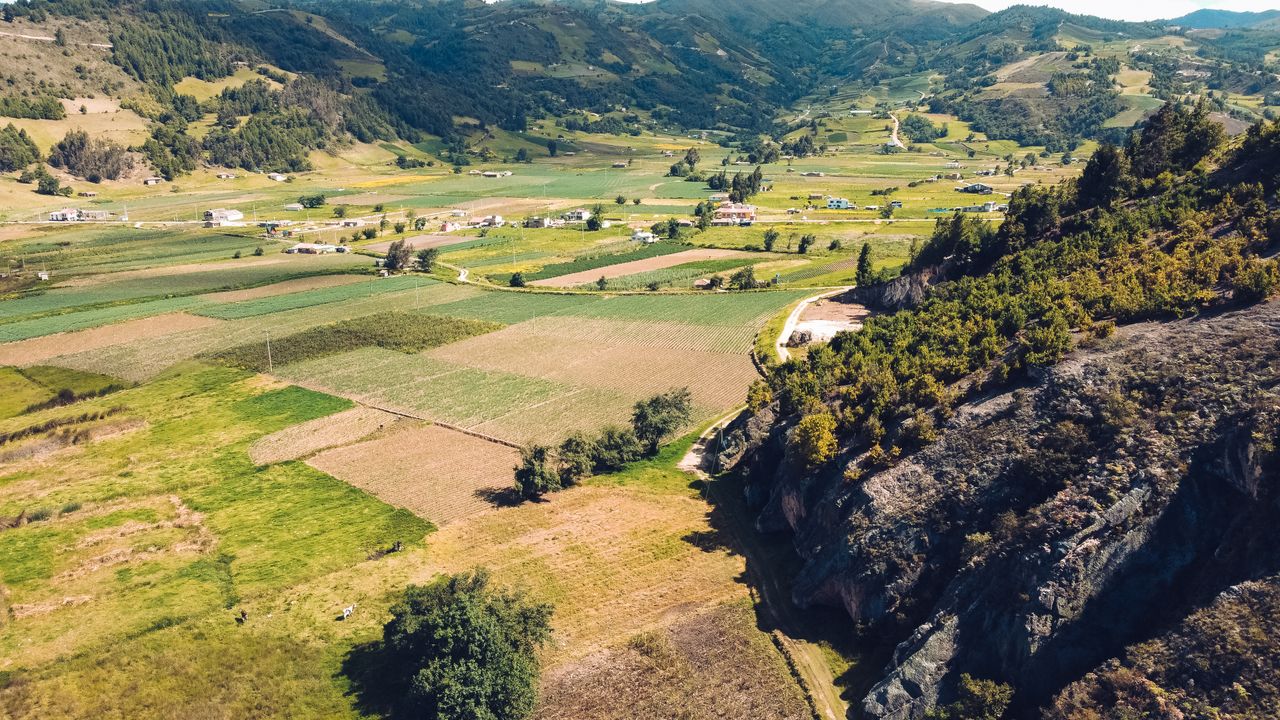
Key facts
- •Approximately 90% of land in sub-Saharan Africa is managed under customary tenure systems.
- •Formal tenure registration covers only 2% to 10% of land in many rural parts of Africa.
- •Hernando de Soto's 2000 book, 'The Mystery of Capital', introduced the concept of 'dead capital' regarding assets lacking formal documentation.
- •Modern technology, including digital cadastral systems, can assist in formalizing and digitizing land ownership records.
- •The article is an extract from Jakkie Cilliers' book, 'Africa's Road to Prosperity: 10 Things to Know'.
Africa's agricultural potential remains largely untapped due to outdated land tenure systems and governance structures. Experts argue that formalizing land rights is necessary to convert assets into productive capital, enabling farmers to invest in productivity and modernization.
By the numbers
The Concept of Dead Capital
Economist Hernando de Soto identified 'dead capital' as a primary barrier to development in many regions, including Africa. This refers to assets like land and housing that lack formal legal recognition or titles, preventing them from being used as collateral or leveraged for investment. De Soto argues that while many poor populations possess assets, they cannot participate fully in a formal economy without secure property rights.
Challenges in Land Management
Approximately 90% of land in sub-Saharan Africa is managed under customary tenure systems rather than formal statutory freehold leases. Studies indicate that formal tenure registration covers only 2% to 10% of rural land in many areas. This creates significant obstacles, including overlapping rights, weak record-keeping, and difficulties in mapping, which discourage investment and keep farmers in informal markets.
Pathways to Reform
Modernizing land tenure requires integrating customary systems into legal and technological frameworks. The use of digital cadastral systems and smartphones can help map and record land ownership in real time. Proponents suggest that by digitizing and securing these rights, Africa can transition toward higher agricultural productivity and foster broader economic development.
Advertisement
This article was independently rewritten by ManyPress editorial AI from reporting originally published by AllAfrica.
/file/attachments/2998/13816522_735675.jpg)