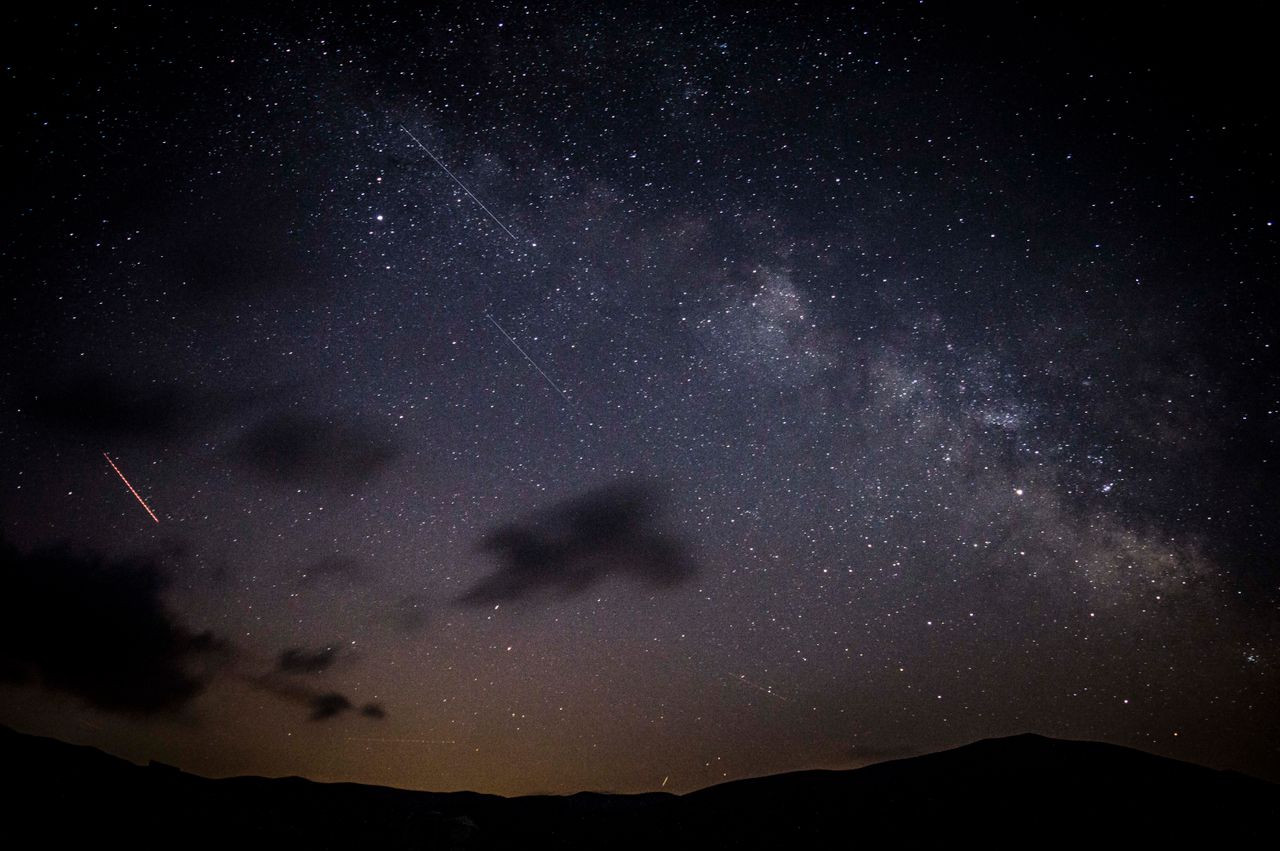
A composite image captured near Grisslehamn, Sweden, highlights the annual Perseid meteor shower during its peak activity.
Key facts
- •The Perseid meteor shower is caused by debris from the periodic comet 109P/Swift-Tuttle.
- •The featured composite image was captured near Grisslehamn, Sweden, on August 12, 2026.
- •The shower's peak activity occurred during a New Moon, which provided optimal viewing conditions.
- •The meteors in the image were recorded at a brightness level comparable to the star Altair.
NASA's Astronomy Picture of the Day for August 15, 2026, showcases the annual Perseid meteor shower. The image, taken near the coastal village of Grisslehamn, Sweden, features two bright meteors and a reflection captured around the shower's peak on August 12.
Origins of the Perseid Shower
The Perseid meteor shower originates from a radiant in the constellation Perseus. The phenomenon occurs as dust grains shed by the periodic comet 109P/Swift-Tuttle vaporize upon entering Earth's dense atmosphere, creating visible streaks in the night sky.
Observing Conditions
The 2026 peak of the shower coincided with a New Moon, allowing the meteor flashes to remain visible without interference from moonlight. In the featured image, the meteors appear alongside the faint background of the Milky Way and the star Altair. Many observers viewed the meteors shortly after witnessing a solar eclipse.
Advertisement
This article was independently rewritten by ManyPress editorial AI from reporting originally published by NASA Breaking News.