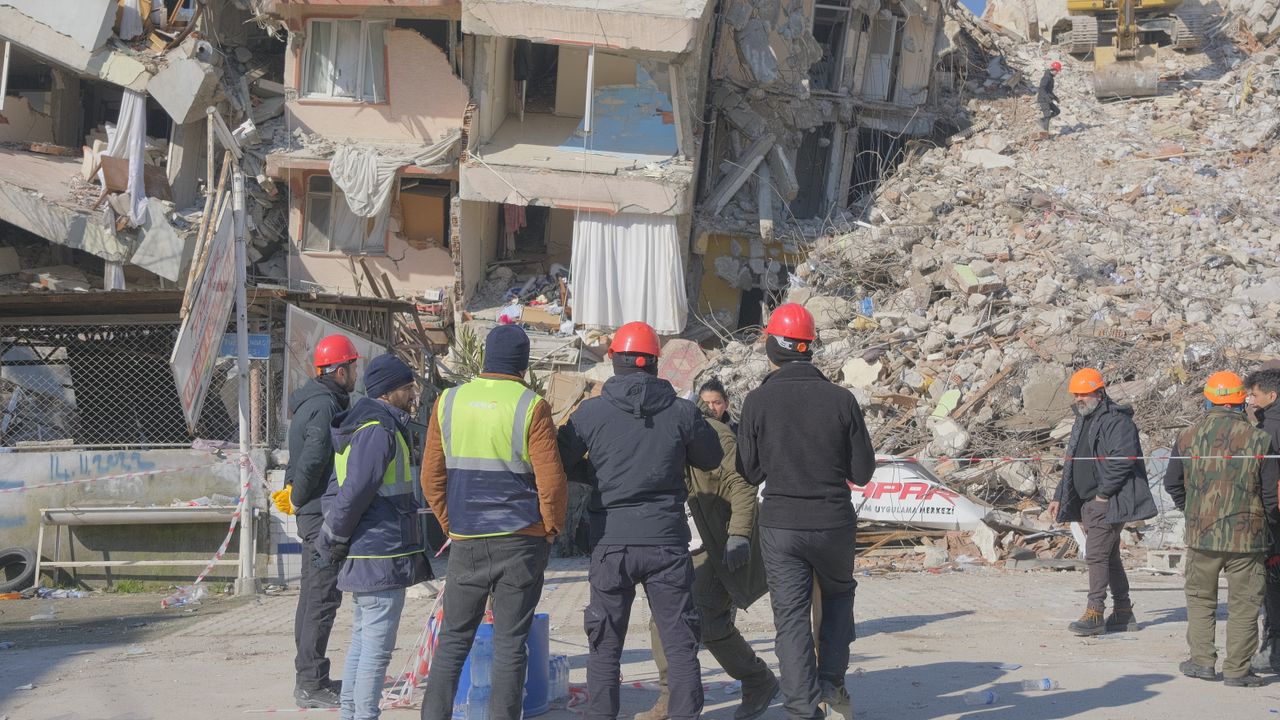
A massive glacial collapse near the China-Nepal border has left at least 1,050 dead and thousands missing, prompting calls for international climate justice.
Key facts
- •The disaster was triggered by a glacial collapse or avalanche of ice and rock near the Nepal-Tibet border.
- •The Bhotekoshi River carried floodwaters downstream, destroying infrastructure across eight Nepali districts.
- •Families held symbolic funeral ceremonies on September 1 to honor those still missing.
- •Foreign Minister Shisir Khanal stated that the disaster highlights the urgent need for climate adaptation support.
- •Himalayan glaciers serve as a critical water source for approximately 1.89 billion people in the region.
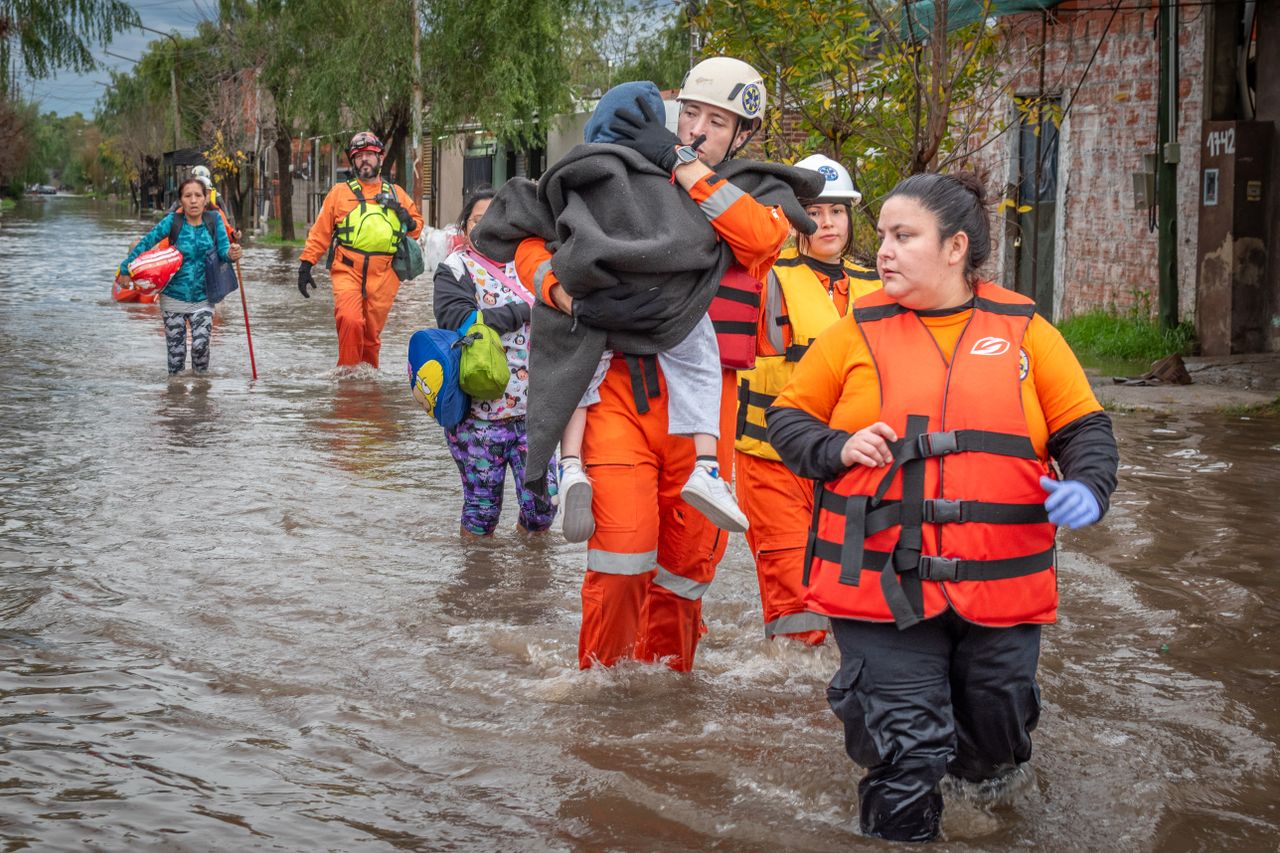
At least 1,050 people have died following a devastating glacial collapse near the China-Nepal border that triggered flash floods on August 26, 2026. The National Disaster Risk Reduction and Management Authority reported that nearly 4,000 people remain missing, while approximately 12,000 have been rescued. The disaster, which sent a wave of ice, rock, and debris down the Bhotekoshi River, has prompted Nepal's Foreign Minister, Shisir Khanal, to label the event a warning signal regarding climate change.
By the numbers
Scale of the Disaster
The floods caused widespread destruction across northern and central Nepal, sweeping away homes, roads, bridges, and damaging hydropower projects. The highest number of recovered bodies was in Chitwan district, with 321 deaths, followed by 216 in Nawalparasi East and 170 in Nawalparasi West. Chinese state media reported an additional 16 deaths in Tibet. As search efforts continue, many families have begun holding symbolic funeral rites for missing loved ones whose bodies have not been recovered.
Climate Justice and International Support
Foreign Minister Shisir Khanal has called on the international community to view the disaster through the lens of climate justice rather than simple charity. He emphasized that Nepal contributes only a small fraction of global greenhouse gas emissions yet faces severe risks as Himalayan glaciers melt. Khanal urged for long-term support to help the nation adapt to and mitigate climate-related challenges, noting that the melting of Himalayan ice threatens water security for billions of people across South and Southeast Asia.
Advertisement