Catastrophic flash floods in Nepal have left at least 1,200 dead and over 5,600 missing, severely disrupting access to essential medical care and clean water.
Key facts
- •At least 1,200 people have died and more than 5,600 are missing following the floods.
- •The disaster was caused by a collapsed glacier on August 26.
- •At least seven hospitals and health centers were destroyed or damaged.
- •UNICEF has provided hygiene kits and bed nets to 19,000 people.
- •Roughly 2,500 to 3,000 survivors are currently housed in temporary holding centers.
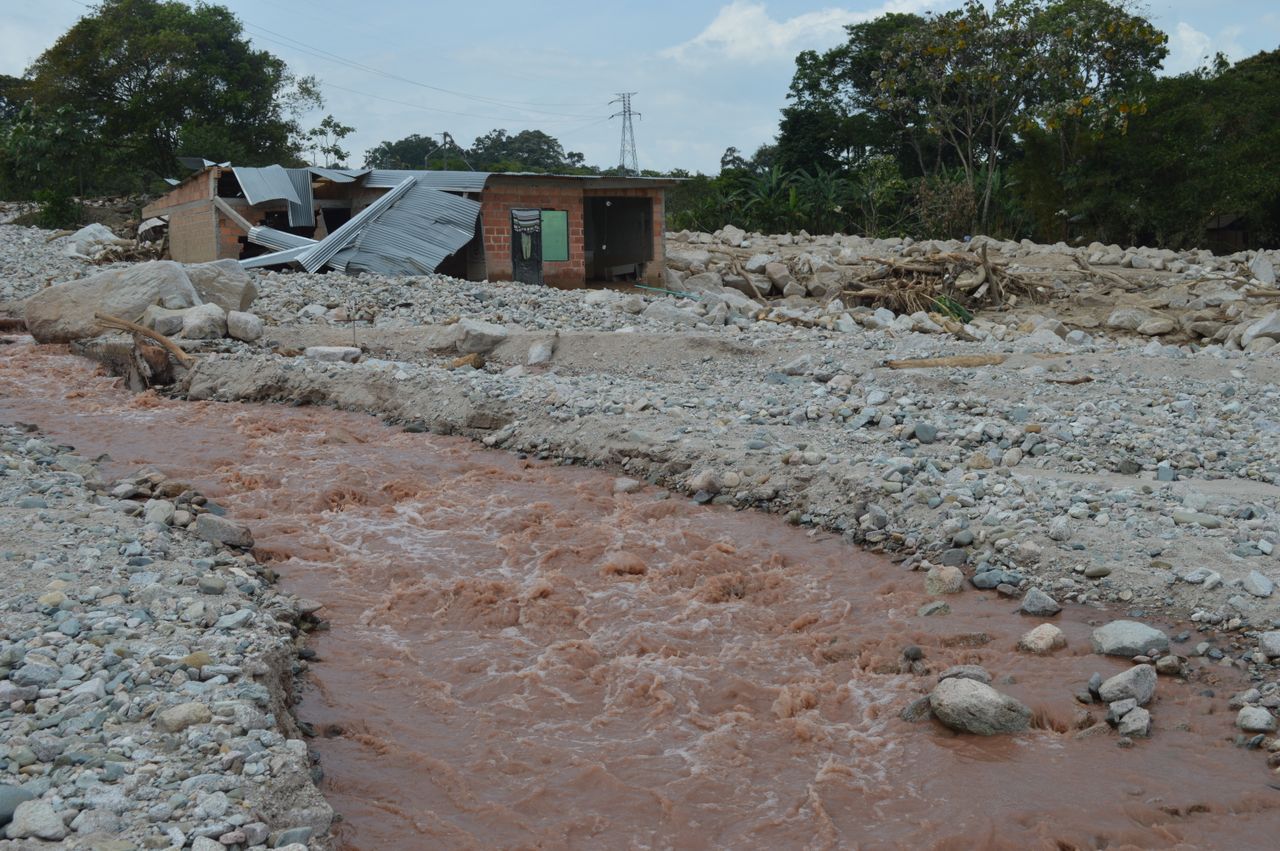
Catastrophic flash floods triggered by a collapsed glacier on August 26 have devastated communities across Nepal. At least 1,200 people have died in Nepal and neighboring Tibet, while more than 5,600 remain missing. The disaster has destroyed or damaged at least seven hospitals and health centers, leaving survivors struggling to access critical medical services.
By the numbers
Disrupted Access to Medical Care
The destruction of infrastructure, including bridges and roads, has severely hindered access to healthcare. In the Bidur municipality, the destruction of a bridge has increased travel time to the regional hospital from 10 minutes to approximately 10 hours. Health officials report that road blockages and electricity outages are complicating efforts to provide care for the injured and those with chronic conditions like diabetes and hypertension.
Disease Risks and Humanitarian Response
Contaminated water systems have raised concerns about potential outbreaks of waterborne diseases such as cholera and diarrhea. Additionally, thousands of survivors in cramped temporary shelters face risks from airborne diseases like tuberculosis. UNICEF and other organizations are distributing hygiene kits and bed nets to 19,000 people and setting up medical tents to provide basic services, including care for pregnant women.
Mental Health Crisis
Survivors, including children, are experiencing profound psychological distress following the loss of family members and homes. Approximately 2,500 to 3,000 people are currently in temporary holding centers. Aid groups are deploying counselors to address acute trauma, though experts note that mental health support is often under-resourced in disaster recovery efforts.
Advertisement
This article was independently rewritten by ManyPress editorial AI from reporting originally published by NPR Health.