Women in England who have missed their cervical screening appointments are now being offered home-testing kits to detect high-risk HPV.
Key facts
- •Women aged 24 to 64 are typically invited for cervical screening every five years.
- •The NHS initiative targets individuals who have previously missed their screening appointments.
- •Common barriers to screening cited by officials include embarrassment, time constraints, and concerns about discomfort.
- •Cervical cancer often presents no symptoms until the disease is advanced and harder to treat.
- •Other regions of the UK are currently exploring the introduction of similar self-testing programs.
The NHS has introduced self-testing kits for women in England who have missed their cervical screening appointments. The initiative aims to increase participation by offering a convenient, discreet alternative to clinical visits. The kits involve using a swab to collect a sample, which is then returned to the NHS for analysis.
By the numbers
How the testing process works
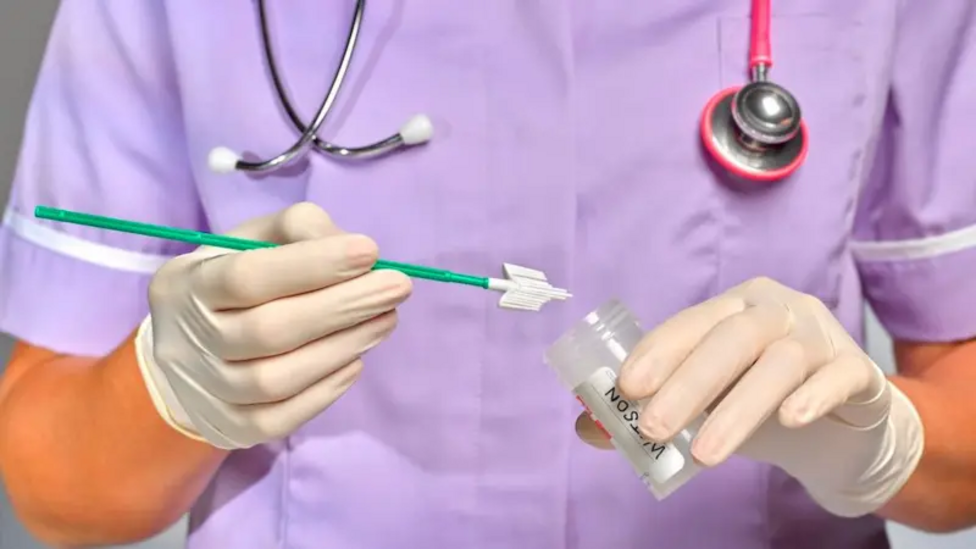
The home-testing kits contain a swab similar to a long cotton bud, which is used to collect a sample from the vagina. If the laboratory analysis detects high-risk HPV, the individual will be invited to book a follow-up cervical screening appointment with a clinician. While high-risk HPV increases the risk of cervical cancer, it does not mean an individual will automatically develop the disease.
Goals for screening and prevention
Trials conducted in London suggest that self-testing could encourage one in 10 women to come forward for screening, potentially boosting uptake by approximately 400,000 people annually. The NHS continues to emphasize that clinical appointments remain the most effective way to prevent cancer. Through a combination of HPV vaccinations for teenagers and improved screening, the NHS aims to eliminate cervical cancer by 2040.
Advertisement
This article was independently rewritten by ManyPress editorial AI from reporting originally published by BBC Health.