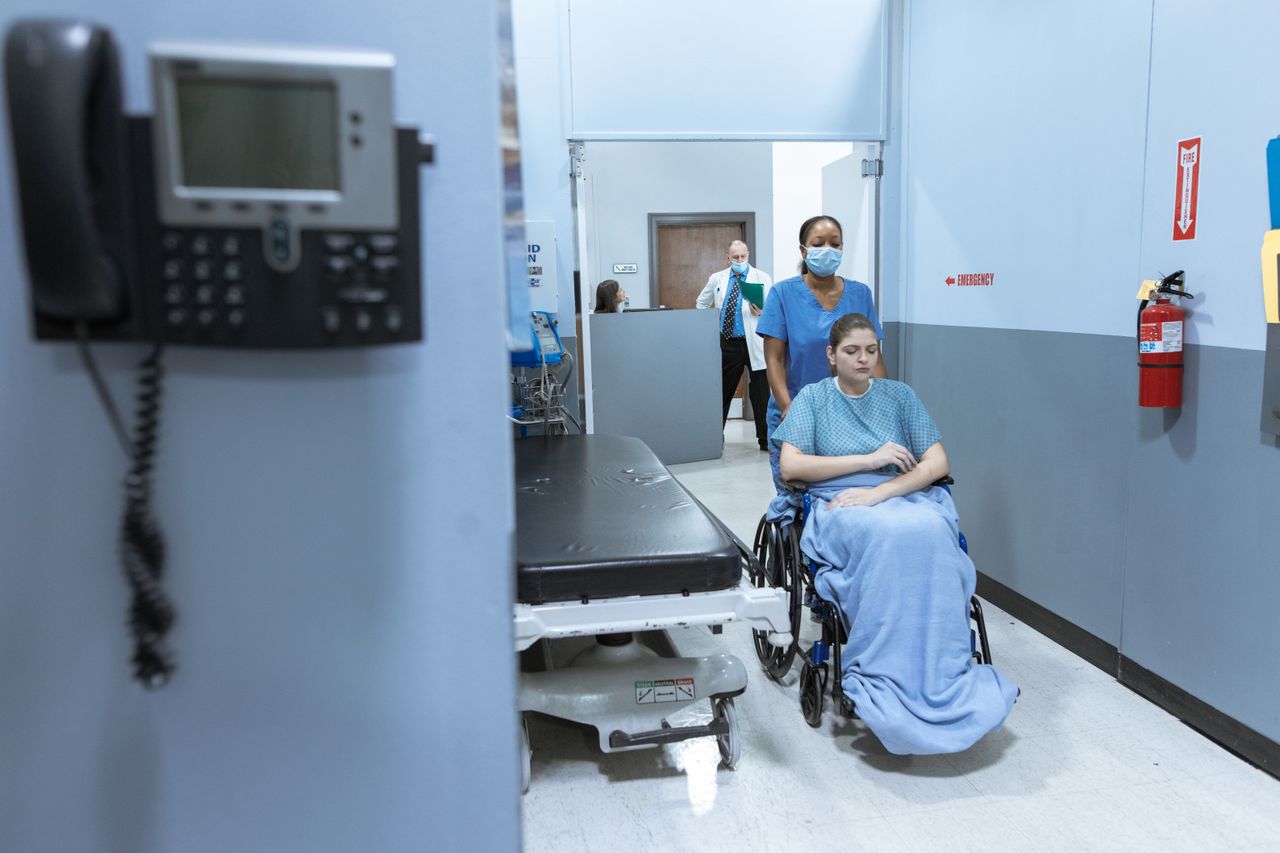
The NHS recorded its busiest summer in history, with record A&E attendances and ambulance callouts as waiting lists for routine treatments continue to rise.

Key facts
- •A&E attendances reached nearly 7.3 million between June and August, the highest ever for a summer period.
- •Ambulance services managed approximately 2.4 million callouts during the summer months.
- •The routine hospital treatment waiting list grew to 7.33 million treatments by the end of July.
- •The number of patients waiting over a year for routine care increased to 111,379 in July.
- •An average of 2,973 patients received corridor care each day in August.
The NHS in England experienced its busiest summer on record, driven by a series of heatwaves that increased demand for emergency services. Health officials reported that A&E attendances and ambulance callouts reached record highs between June and August, while the waiting list for routine hospital treatments climbed to its highest level in nine months.
By the numbers
Record Emergency Demand
NHS England data shows that A&E departments recorded nearly 7.3 million attendances during June, July, and August, an increase of nearly 1 million compared to the same period in 2022. Ambulance services also handled a record 2.4 million callouts over the summer months. Additionally, an average of 2,973 patients received corridor care daily in August, with 2,296 of those cases occurring in A&E departments.
Waiting List and Performance Targets
By the end of July, the number of treatments waiting to be carried out reached 7.33 million, involving 6.21 million patients. This marks an increase from the 7.27 million treatments recorded at the end of June. The number of people waiting more than a year for routine treatment also rose to 111,379. While 65.4% of patients began treatment within 18 weeks in July—surpassing the government's 65% target—experts from the Royal College of Surgeons of England have expressed doubt that the long-term goal of 92% by 2029 will be met.
Advertisement
This article was independently rewritten by ManyPress editorial AI from reporting originally published by The Guardian Health.