New research suggests that even low levels of light during sleep may be associated with subtle changes in heart structure and function.

Key facts
- •The study analyzed data from more than 11,000 participants who wore wrist devices to track light exposure.
- •Researchers focused on a threshold of 3 lux, a level of illumination considered relatively low.
- •Participants with higher nighttime light exposure showed a 1.9% lower myocardial contraction fraction.
- •A 2025 study of 89,000 people found a 56% higher risk of heart failure for those in the brightest-light group.
- •Shortened sleep duration was responsible for 24–49% of the observed associations in the new study.
- •Experts suggest using warm-colored nightlights and blackout curtains to help maintain a dark sleep environment.
A study of over 11,000 UK Biobank participants found that exposure to nighttime light as low as 3 lux is associated with cardiac remodeling. Researchers observed that participants exposed to higher levels of light during sleep showed signs of thicker heart muscle walls and reduced heart flexibility. These findings suggest a potential link between nighttime light exposure and an increased risk of conditions such as heart failure and atrial fibrillation.
By the numbers
Study Findings on Cardiac Remodeling
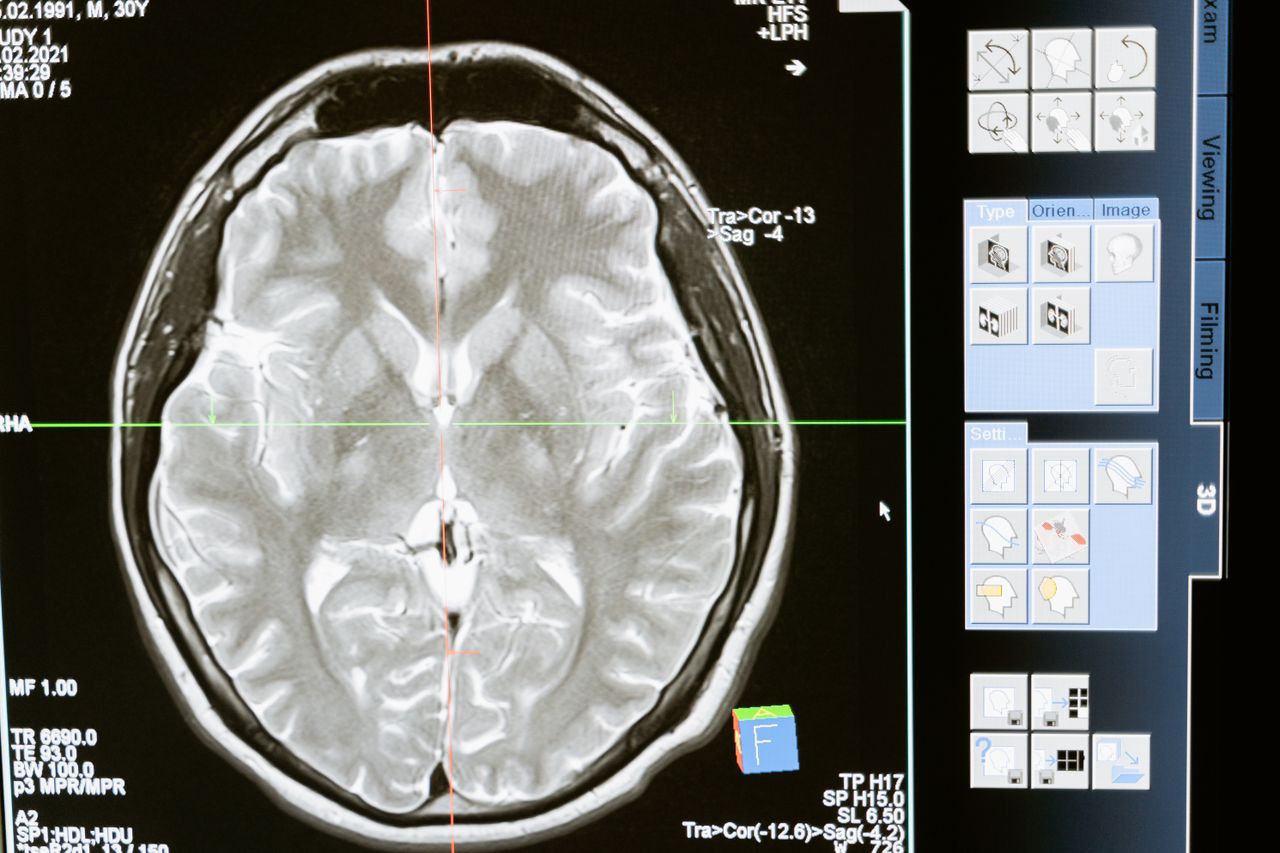
Researchers used cardiovascular magnetic resonance imaging (MRI) to examine participants approximately three years after measuring their light exposure. Compared to those with no nighttime exposure above 3 lux, individuals with higher exposure showed a 2.4% greater left ventricular mass, 1.5% greater average heart wall thickness, and a 1.9% lower myocardial contraction fraction. While these changes were small and did not constitute cardiovascular disease, experts suggest they may indicate how long-term light exposure contributes to heart stress. Lead author Lu Qi, a professor at Tulane University, noted that the observed cardiac remodeling is similar to how the body adapts to chronic stress or injury. The study also found that shorter sleep duration accounted for 24% to 49% of the association between nighttime light and various cardiac measurements.
Broader Context and Circadian Disruption
The study findings align with a 2025 JAMA Network Open analysis of nearly 89,000 participants, which found that individuals in the brightest-light groups faced higher risks of coronary artery disease, heart attack, heart failure, AFib, and stroke over a 9.5-year period. Researchers emphasize that while these observational studies show a dose-response pattern, they cannot definitively prove that light directly causes these cardiovascular conditions. Experts suggest that nighttime light may disrupt the body’s circadian rhythm, which regulates blood pressure, metabolism, and heart function. Light exposure can suppress melatonin and interfere with sleep quality, which are critical factors for cardiovascular health. Cardiologists recommend strategies such as using blackout curtains, turning off electronics, and maintaining consistent sleep schedules to minimize light exposure.
Advertisement
This article was independently rewritten by ManyPress editorial AI from reporting originally published by Healthline.