
Oil prices increased nearly 2% on Monday after U.S. forces struck Iranian targets and Iran retaliated by attacking U.S. air bases in Jordan.
Key facts
- •Brent crude futures rose $1.77 to $89.87 per barrel, while WTI crude increased $1.45 to $84.85.
- •President Donald Trump claimed on social media that Iran's Kharg Island was under attack, but Iran denied the claim and stated oil operations were continuing.
- •The U.S. Strategic Petroleum Reserve has fallen to its lowest level in 44 years.
- •Negotiations to end the conflict, which began at the end of February, are currently at an impasse.
- •Analysts expect oil prices to remain in the $85-95 per barrel range until there is more clarity regarding the Strait of Hormuz.
Oil prices rose on Monday as the conflict between the U.S. and Iran entered its sixth month. Brent crude futures climbed 2% to $89.87 per barrel, while U.S. West Texas Intermediate crude rose 1.74% to $84.85. The market movement followed U.S. strikes on two launchers on Iran's Larak Island and subsequent Iranian attacks on U.S. air bases in Jordan.
By the numbers
Military Escalation in the Strait of Hormuz
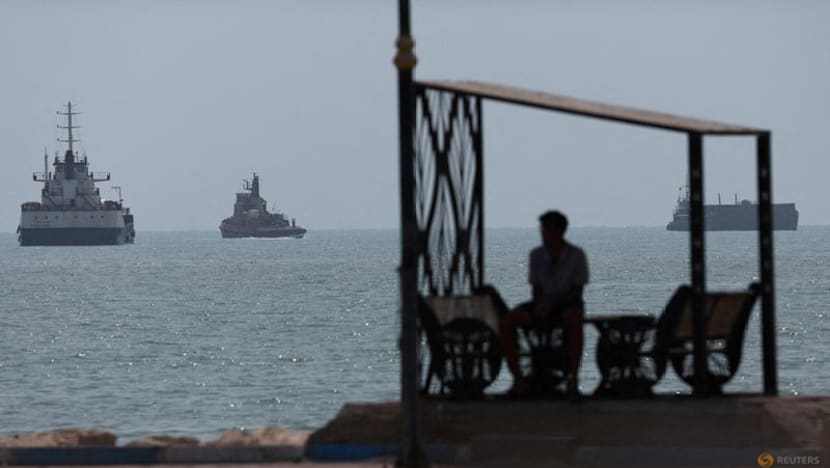
U.S. forces struck Larak Island on Sunday, marking the first known American strikes on Iran since late July. In retaliation, Iranian media reported that the country's Revolutionary Guards attacked two U.S. air bases in Jordan. Additionally, the United Kingdom Maritime Trade Operations reported that a tanker was struck by a projectile while sailing through the Strait of Hormuz on Saturday.
Market Impact and Diplomatic Status
Shipping data from Monday indicated that commodity vessel traffic through the Strait of Hormuz dropped to five per day over the weekend. Suvro Sarkar, head of energy research at DBS, noted that the flare-up further delays the potential reopening of the strait, through which one-fifth of the world's oil flowed prior to the war. U.S. Treasury Secretary Scott Bessent stated that the U.S. is likely to issue new secondary sanctions on Iran on a weekly basis.
Timeline
- End of FebruaryThe conflict between the U.S. and Iran began.
- Late JulyThe last known U.S. strikes on Iran occurred prior to the recent escalation.
- SaturdayA tanker was struck by a projectile while sailing through the Strait of Hormuz.
- SundayU.S. forces struck two launchers on Larak Island, and Iran reportedly attacked two U.S. air bases in Jordan.
- MondayOil prices rose as shipping data showed a drop in vessel traffic through the strait.
Advertisement
This article was independently rewritten by ManyPress editorial AI from reporting originally published by Channel NewsAsia.

/file/attachments/2998/13838240_968395.jpg)

