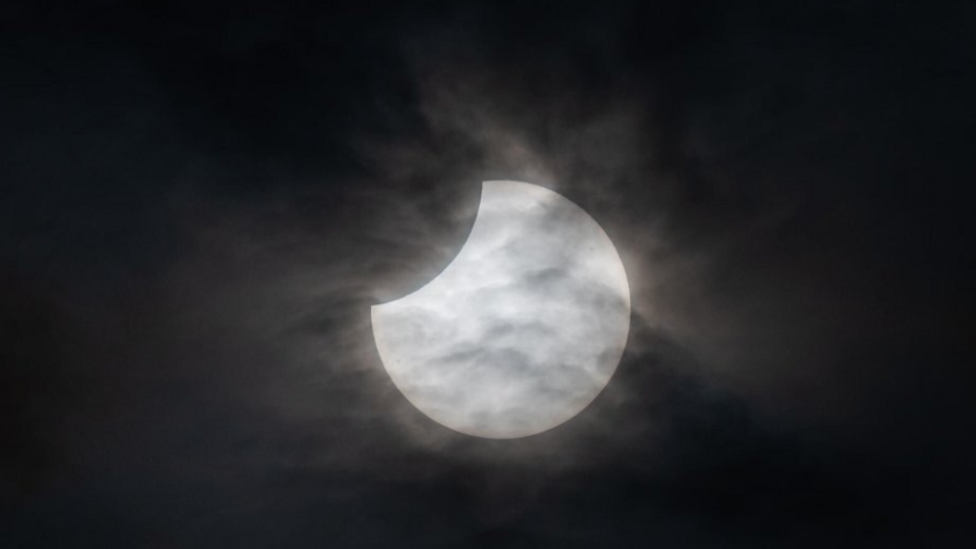
Ireland will experience a significant partial solar eclipse on Wednesday, followed by the peak of the Perseid meteor shower.
Key facts
- •More than 90% of the sun will be obscured across Ireland during the early evening on Wednesday.
- •The eclipse begins at approximately 18:10 BST, with local variations in timing.
- •Skellig Michael will experience the highest level of coverage at 98.01%.
- •The Perseid meteor shower will peak overnight into Thursday, with up to 100 meteors per hour possible.
- •A new moon will provide favorable, dark conditions for viewing the meteor shower.
Skywatchers in Ireland are set to witness a deep partial solar eclipse on Wednesday evening, with over 90% of the sun expected to be obscured. The event, which begins at approximately 18:10 BST, is the largest solar eclipse visible from the island until September 2090. Following the eclipse, the Perseid meteor shower will reach its peak overnight into Thursday, benefiting from a new moon that will provide dark skies for viewing.
By the numbers
Solar Eclipse Details and Safety
The eclipse will vary in intensity depending on location, with Skellig Michael off the County Kerry coast expected to see approximately 98.01% of the sun blocked out. While the event will cause a noticeable darkening, experts warn that the remaining visible portion of the sun is still bright enough to cause permanent eye damage. Astronomers emphasize that observers should never look directly at the sun without certified eclipse glasses and warn against using unfiltered cameras, binoculars, or telescopes.
Perseid Meteor Shower Conditions
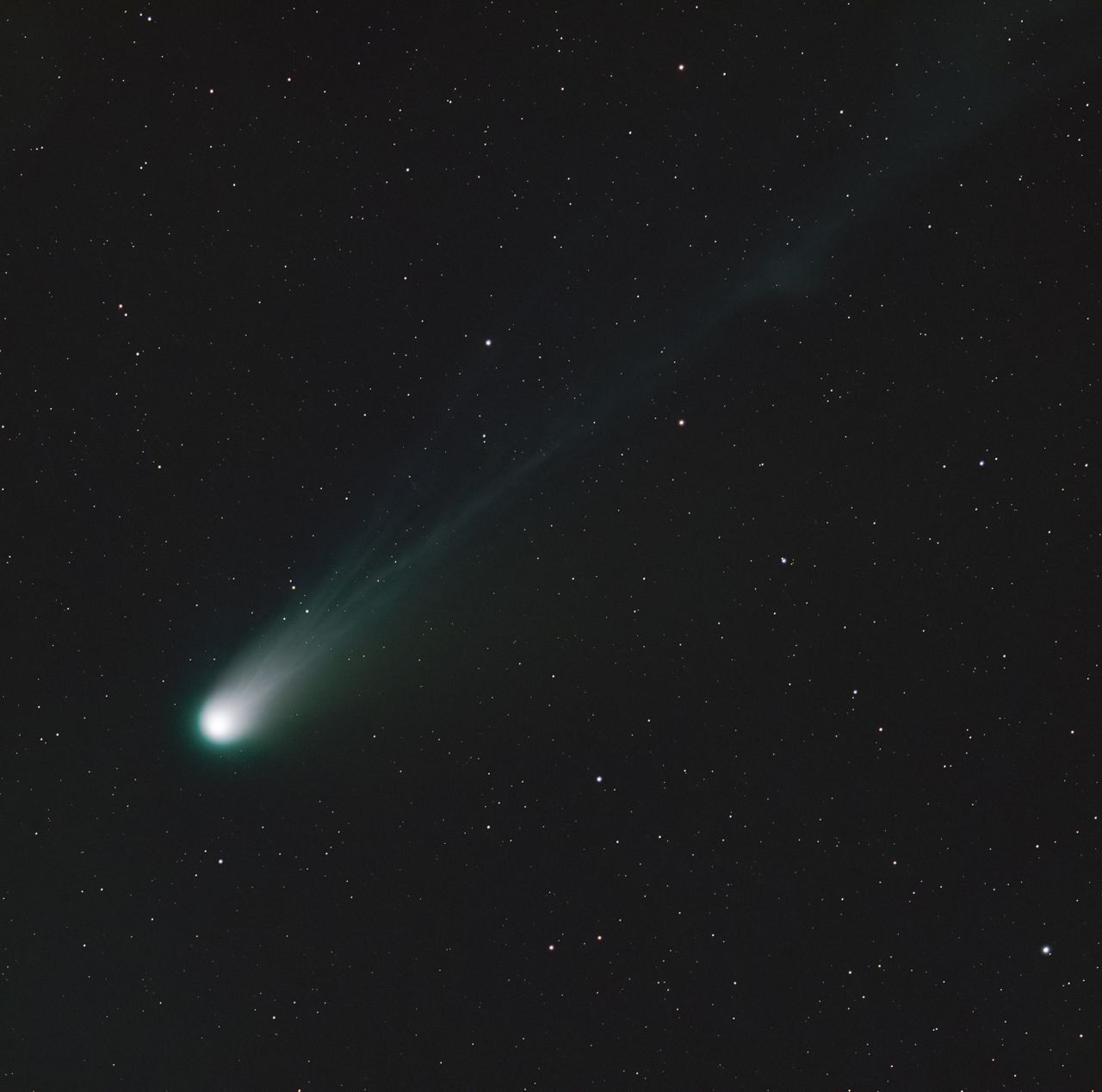
The Perseid meteor shower is caused by dust and rock particles from comet Swift-Tuttle entering Earth's atmosphere. Under ideal conditions, observers may see around 100 meteors per hour. Astronomers recommend finding a dark location away from artificial light and allowing eyes to adjust for at least 10 minutes. No specialized equipment is required to view the meteors, which will appear to originate from the constellation Perseus.
Advertisement
This article was independently rewritten by ManyPress editorial AI from reporting originally published by BBC Science & Environment.