Illegal gold mining upstream is contaminating the Osun River, endangering the health of devotees who visit the sacred site for the annual Osun Osogbo festival.
Key facts
- •The Osun-Osogbo sacred grove has been a UNESCO World Heritage site since 2005.
- •Independent tests commissioned by Urban Alert found unsafe levels of lead, mercury, and cyanide in the river.
- •The river spans 132 miles (213km) and is a destination for pilgrims from Nigeria and the diaspora.
- •Campaigners are calling for a comprehensive, time-bound, and funded remediation plan to address the contamination.
- •Heavy metals from mining can persist in river sediments and accumulate through the food chain.
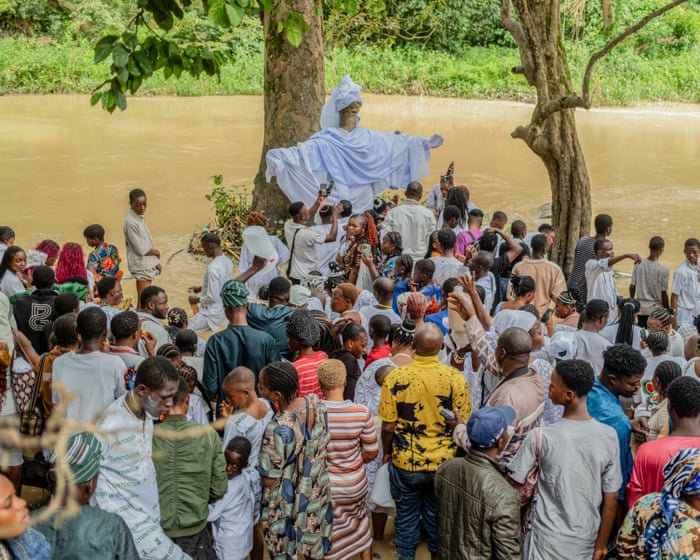
The annual Osun Osogbo festival in Nigeria is facing environmental challenges as pollution from upstream gold mining continues to degrade the Osun River. The river, a UNESCO World Heritage site, is central to the festival and is believed by devotees to possess healing powers. Despite government warnings that the water is unsafe, many worshippers continue to drink and bathe in the discoloured water, which independent testing has shown contains dangerous levels of lead, mercury, and cyanide.
By the numbers
Impact of Mining on Sacred Waters
The Osun River, which runs through a 75-hectare sacred grove, began showing signs of pollution in 2018. Small-scale and artisanal miners operating in the gold-rich state of Osun frequently discharge runoff into the 132-mile river. While authorities have previously arrested some prospectors and closed illegal sites, campaigners report that new mining operations continue to emerge, including one located less than four miles from the protected grove.
Public Health and Cultural Concerns
Urban Alert, an environmental justice group, launched a campaign in 2021 to address the contamination. Their testing confirmed the presence of heavy metals and cyanide, substances particularly hazardous to children and pregnant women. Despite these risks, many devotees maintain their traditions, viewing the water as a spiritual herbal concoction that the goddess Osun has purified. Experts warn that the pollution poses long-term threats to public health, aquatic biodiversity, and the integrity of a cultural practice spanning over 700 years.
Timeline
- 2005The Osun-Osogbo sacred grove was designated a UNESCO World Heritage site.
- 2018The river began to show signs of pollution from upstream mining.
- 2021Urban Alert launched the #SaveOsunRiver campaign and commissioned water quality testing.
Advertisement
This article was independently rewritten by ManyPress editorial AI from reporting originally published by The Guardian Global Development.