A letter to the editor discusses the impact of London's Ultra Low Emission Zone (Ulez) on air quality and public health.
Key facts
- •A recent study found that London's Ulez led to improved lung size and function among children.
- •The policy aims to reduce traffic congestion, emissions, and noise pollution.
- •Advocates are calling for the expansion of similar clean-air policies to every city in the UK.
- •There are proposals for schools to install air-quality monitors to inform parents of potential health risks.
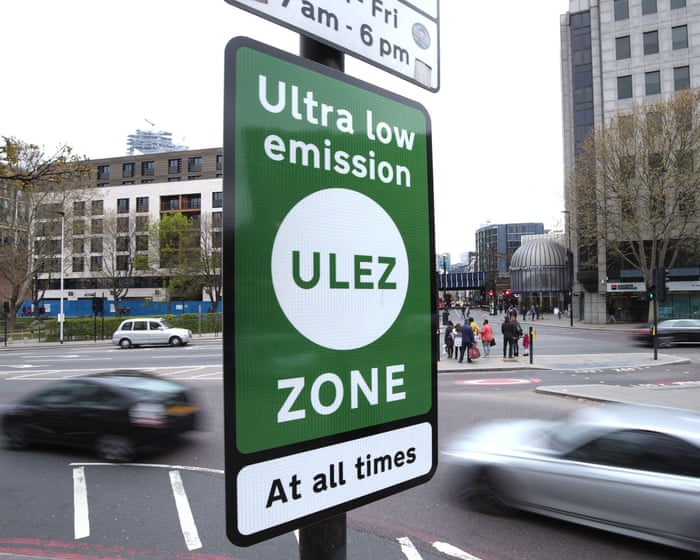
Following reports that London's Ultra Low Emission Zone (Ulez) has improved lung size and function in children, calls have emerged to implement similar air quality policies in other UK cities. The initiative, introduced by Mayor Sadiq Khan, is credited with addressing traffic congestion, emissions, and noise pollution.
Public health and policy advocacy
Proponents of the Ulez policy argue that access to clean air should be considered a human right. Suggestions have been made for the Department for Education and Ofsted to mandate air-quality monitoring in schools to provide parents with data regarding local environmental risks.
Urban planning and future goals
The implementation of Ulez is viewed as a model for urban transformation, with advocates calling for further measures such as increased bicycle-friendly infrastructure, low-traffic neighborhoods, and expanded public transport. The city of Paris is cited as a comparable example of urban transformation through similar environmental measures.
Advertisement
This article was independently rewritten by ManyPress editorial AI from reporting originally published by The Guardian Health.