
The Gaza conflict has shifted from a primary global focus to a peripheral issue, prompting discussions on regional security architectures and the need for enforceable protection mechanisms.
Key facts
- •The Mecca Joint Defense Agreement between Türkiye, Saudi Arabia, and Pakistan establishes a collective defense principle.
- •Türkiye is pushing for a regional guarantor mechanism to ensure the implementation of peace commitments in Palestine.
- •U.S. envoy Jared Kushner has held recent talks with mediators from Türkiye, Egypt, and Qatar, as well as Hamas representatives and Israeli Prime Minister Benjamin Netanyahu.
- •The article identifies the de-Palestinization of Gaza as a strategy involving the reduction of habitable space and demographic alteration.
- •Regional states are seeking to increase investment in domestic defense industries to decrease strategic dependence on imperial powers.
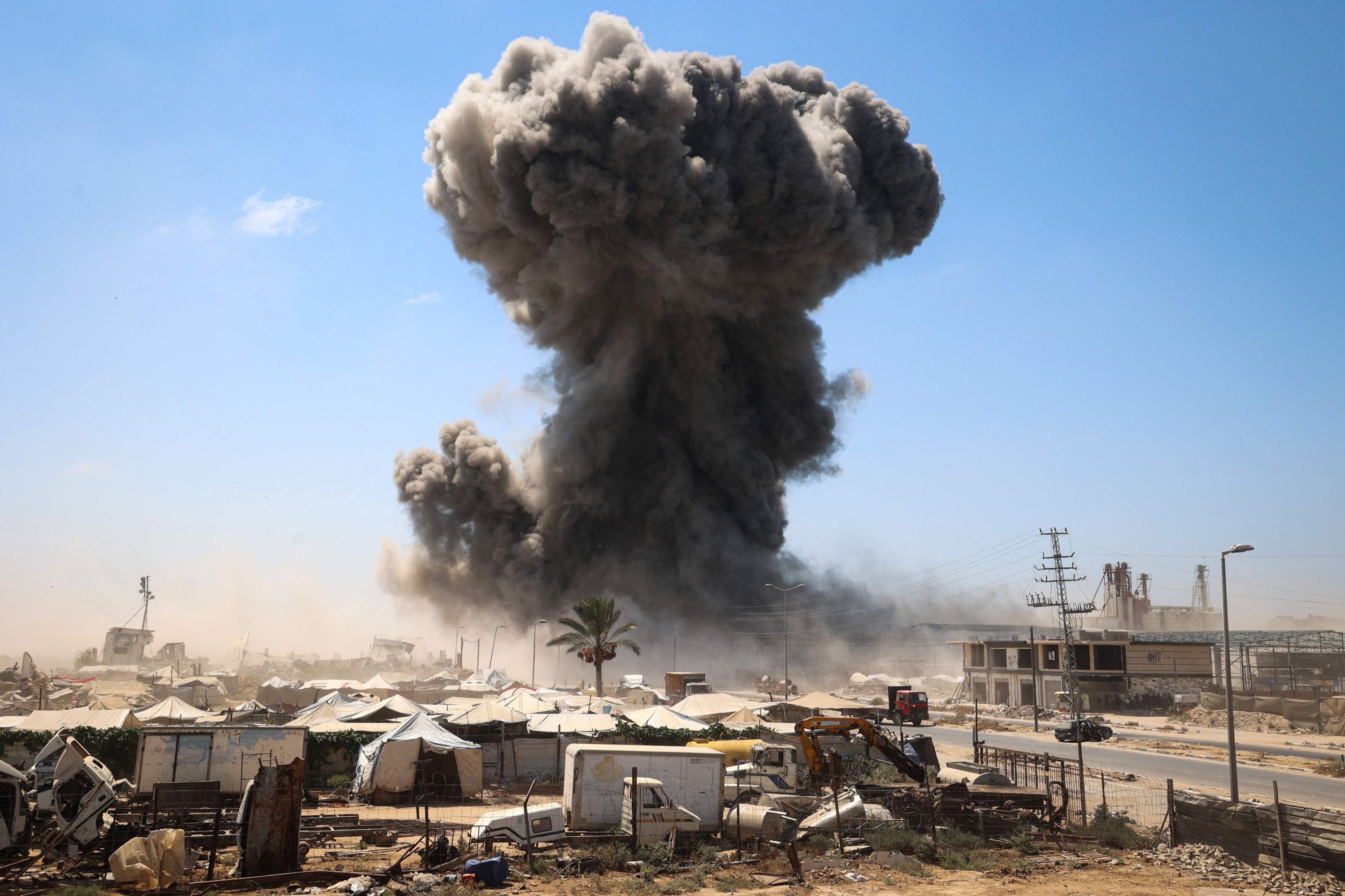
The Gaza conflict has seen a decline in international visibility as global attention shifts toward other regional tensions and geopolitical concerns. Despite the implementation of a cease-fire, the humanitarian crisis in Gaza continues through institutionalized attrition and ongoing spatial changes. Regional states are now exploring new defense alignments to address long-standing strategic fragmentation and the limitations of existing international frameworks.
Shifting Geopolitical Attention
The international response to the situation in Gaza has transitioned from urgent intervention to routine administration. This shift is attributed to a recalibration of global priorities, with international policy hierarchies now focused on issues such as the war in Ukraine, energy prices, and Indo-Pacific rivalries. Consequently, the conflict is increasingly treated by foreign policy establishments as a managed issue rather than an immediate humanitarian crisis.
Regional Defense and the Mecca Agreement
In response to these challenges, Türkiye, Saudi Arabia, and Pakistan have engaged in the Mecca Joint Defense Agreement. This pact establishes that an attack on one member will be considered an attack on all, representing a potential move toward shared strategic responsibility. Türkiye is also advocating for a binding regional guarantor mechanism for Palestine, intended to ensure that parties adhere to future peace agreements and to close the gap between negotiated and enforceable peace.
Challenges to Regional Security
The ability of regional states to protect Gaza is hindered by decades of strategic fragmentation and a prioritization of short-term security concerns over unified regional architecture. While states are investing in domestic defense industries and military technologies to reduce reliance on external powers, these projects require significant time to mature. The current situation highlights the difficulty of building credible security institutions while the humanitarian crisis in Gaza continues to unfold.
Advertisement
This article was independently rewritten by ManyPress editorial AI from reporting originally published by Daily Sabah.

