
Scientists are investigating whether aggressive wildfire suppression in boreal forests could prevent the release of massive amounts of carbon stored in thawing permafrost.
Key facts
- •Permafrost stores approximately 1.5 trillion tons of carbon, and its footprint has shrunk by about 12% since 1850.
- •Boreal forest fire emissions have nearly tripled globally since 2001.
- •A 2022 study found that aggressive boreal fire suppression could be a cost-effective climate solution.
- •The North Fire initiative is a partnership between the Woodwell Climate Research Center, the Polis Institute, and the Alaska Venture Fund.
- •Fire-driven permafrost thaw could release the equivalent of 80 billion tons of carbon dioxide by 2100 under high warming scenarios.
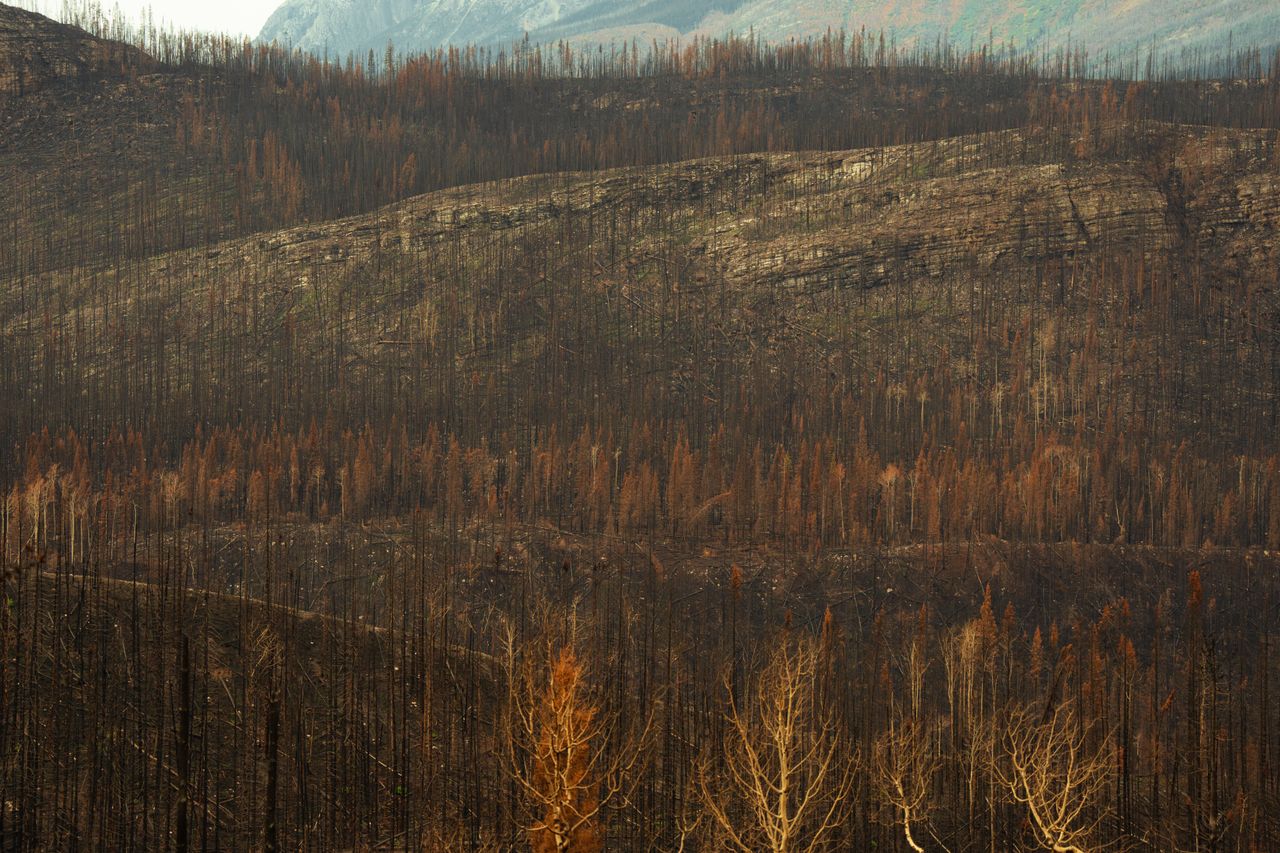
As climate change drives more frequent and severe wildfires in northern latitudes, researchers are studying the potential to extinguish blazes specifically to protect permafrost. These frozen soil layers store vast amounts of carbon, which is released as greenhouse gases when fires remove insulating organic topsoil. International teams are now evaluating whether prioritizing these remote fires could serve as a cost-effective climate mitigation strategy.
By the numbers
The Permafrost Feedback Loop
Permafrost underlies 15% of land in the Northern Hemisphere and holds roughly twice the carbon currently in the atmosphere. When wildfires burn away the moss and organic-rich soil that insulates this ground, the permafrost thaws more rapidly. This process releases stored carbon, which contributes to further warming, creating a feedback loop that increases the likelihood of future fires and additional permafrost loss.
Evaluating New Intervention Strategies
A multi-million-dollar initiative called North Fire is currently studying the feasibility of suppressing fires in remote areas to protect carbon stores. While traditional wildfire management focuses on protecting human life and property, researchers argue that the scale of emissions from boreal fires—which have nearly tripled since 2001—warrants a shift in policy. A 2022 study suggested that such interventions could be as cost-effective as other climate solutions like wind or solar energy.
Challenges and Controversies
The proposal to actively suppress fires in unmanaged wilderness is complex. Wildfire is a natural ecosystem component, and suppressing it requires significant resources. Furthermore, current agency mandates in places like Alaska prioritize human safety over natural resource protection. Despite these hurdles, some pilot projects have begun, including an effort in the Yukon Flats National Wildlife Refuge to protect carbon-dense yedoma permafrost.
Advertisement
This article was independently rewritten by ManyPress editorial AI from reporting originally published by MIT Technology Review.