Scientists at the Water Hub in Langrug are using stones, sand, and heat-treated wood to filter contaminated river water for community irrigation.
Key facts
- •The filtration system processes 36,000 liters of water daily without the use of chemicals.
- •Researchers successfully reduced bacteria and pathogens to levels safe for irrigation as of 2024.
- •The project is located in Langrug, an informal settlement near Stellenbosch.
- •The system removes roughly 99% of toxins before releasing water back into the Stiebeuel River.
- •The population of Langrug has increased from 3,000 to more than 26,000 people since 2006.
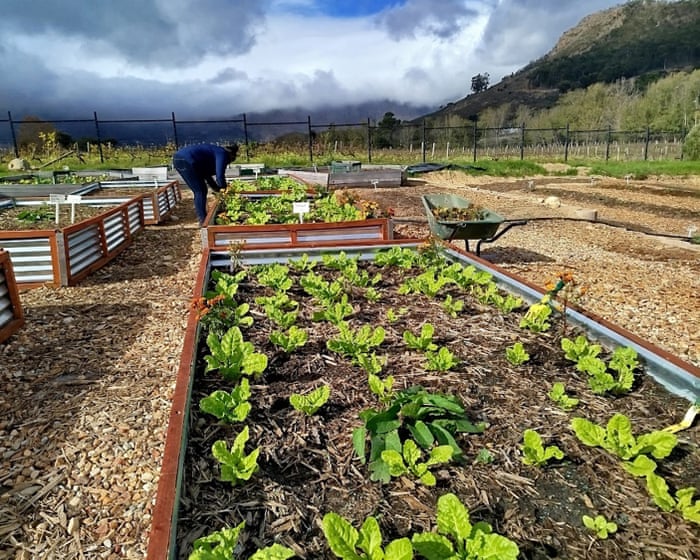
Researchers from the University of Cape Town have developed a nature-based water filtration system to treat polluted water from the Stiebeuel River in South Africa. Located at an abandoned wastewater site in the informal settlement of Langrug, the project uses solar energy and natural materials to process water contaminated by sewage and chemicals. The treated water is now being used to irrigate local vegetable gardens, supporting food security for residents in the Western Cape region.
By the numbers
System Design and Functionality
The Water Hub project, established in 2018, repurposes old drying beds from a defunct wastewater facility into a network of filtration cells. By utilizing stones, sand, and heat-treated wood, the system removes approximately 99% of toxins from the river water. The process is entirely off-grid, relying on solar power to pump water through the filtration cells. While the water is not currently suitable for drinking, researchers report that its quality is comparable to municipal treated water.
Addressing Local Infrastructure Needs
The initiative was launched to address the lack of sanitation and clean water infrastructure in Langrug, a settlement that has grown from 3,000 to over 26,000 residents since 2006. This rapid expansion, driven by seasonal labor demand in nearby areas like Franschhoek, overwhelmed existing local water plants. The project team, led by Kevin Winter, now treats 36,000 liters of water daily, with 3,000 liters reserved for food-producing gardens and the remainder returned to the river to support local ecosystems.
Timeline
- 2006Kevin Winter began working in the Langrug area.
- 2018The Water Hub project was established.
- 2024The system reached the capacity to reduce pathogens to levels safe for irrigation.
Advertisement
This article was independently rewritten by ManyPress editorial AI from reporting originally published by The Guardian Global Development, BBC World.