Asia is warming faster than the global average, creating significant health challenges for its aging and urbanized population, according to a new report.
Key facts
- •Asia is home to approximately 60 percent of the world's population and is warming faster than the global average.
- •Hong Kong experienced its hottest day on record earlier this month.
- •Extreme heat is often described as a "silent disaster" because it lacks the immediate, visible impact of events like typhoons.
- •Research shows that temperature extremes have specific effects on mortality and morbidity, as well as the capacity of health systems to cope.
- •AIA has set a goal to engage 1 billion people to live healthier lives by 2030 through various wellness initiatives.
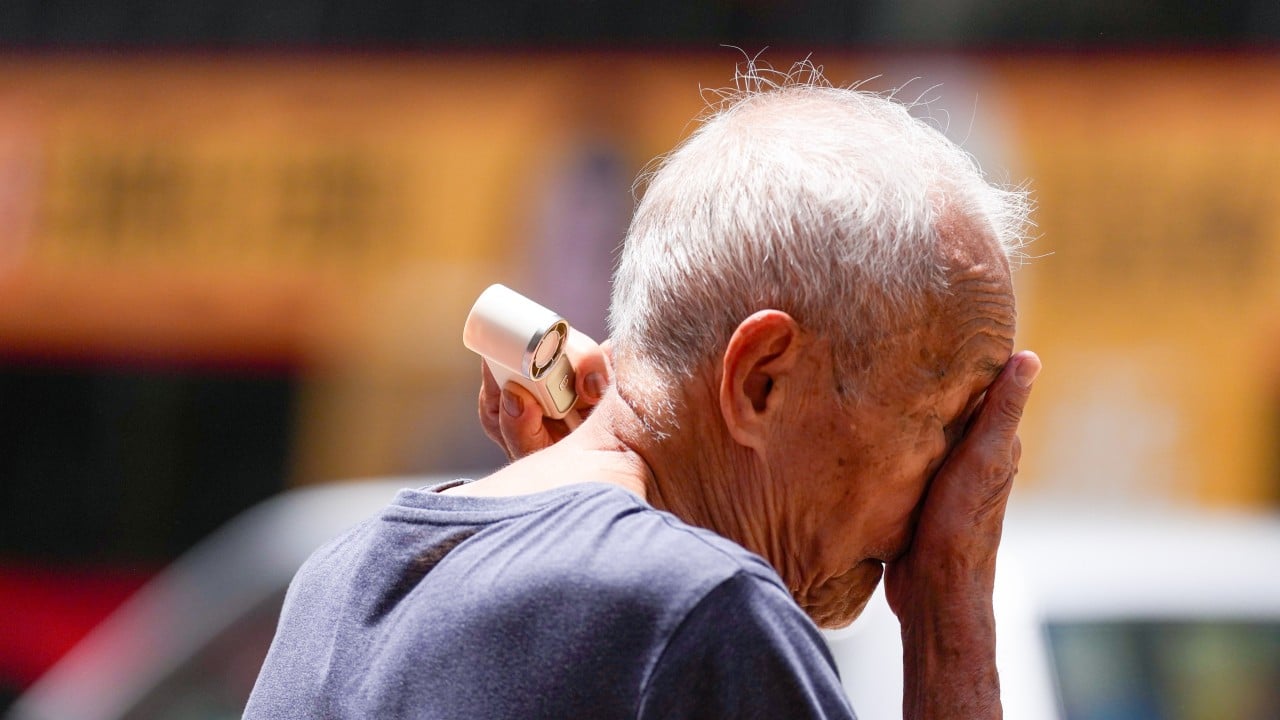
Asia is warming faster than the global average, with extreme heat increasingly threatening public health across the region. A report titled "Climate and Health in Asia," produced by Forum for the Future and sponsored by AIA, highlights that rising temperatures, combined with urban heat-island effects and air pollution, are creating acute risks for residents, particularly the elderly.
By the numbers
Urban Heat and Health Risks
Densely populated cities are particularly vulnerable as concrete environments trap heat and keep temperatures elevated even after sunset. In 2024, Hong Kong recorded its hottest year on record, featuring 52 "very hot days" and 50 "hot nights." Experts note that the loss of evening cooling periods significantly increases health risks for the general population and vulnerable groups.
Impact on an Aging Population
The report projects that by 2050, one in four people in Asia will be over the age of 60. This demographic shift is expected to increase healthcare demand at the same time climate-related risks are accelerating. Research indicates that heat-related mortality among people over 65 has risen sharply globally compared to the 1990s, with extreme heat affecting cardiovascular health, respiratory conditions, and mental well-being.
Shifting Toward Prevention
Experts and industry leaders are calling for a transition from reactive healthcare to a model focused on awareness and prevention. Initiatives such as the AIA Vitality program and the AIA Healthiest Schools Programme aim to encourage healthier lifestyles and environmental awareness. However, stakeholders emphasize that addressing these challenges requires multidisciplinary engagement, better warning systems, and coordinated leadership across public and private sectors.
Advertisement
This article was independently rewritten by ManyPress editorial AI from reporting originally published by SCMP Business.