Experts warn that the manipulation of weather station data, combined with the rise of AI-driven forecasting, poses increasing risks to industries and public safety.
Key facts
- •Weather predictions influence critical decisions in agriculture, energy pricing, and emergency response.
- •The Paris Charles de Gaulle Airport weather station was tampered with on April 6 and April 15, 2026.
- •Manipulation of the Paris airport station led to a $20,000 payout for a gambler in a prediction market.
- •AI-driven weather models are highly dependent on accurate raw observations, making them vulnerable to data-driven attacks.
- •Experts suggest that coordinated, subtle manipulation of multiple weather stations could bypass existing quality control systems.
Weather forecasts are critical for global industries, including agriculture, energy, and emergency management. However, the integrity of the data used for these predictions is facing new threats from intentional tampering. Recent incidents of station manipulation, coupled with the increasing reliance on data-driven AI models, have raised concerns about the potential for systemic failures in weather forecasting.
By the numbers
The Paris Airport Incident
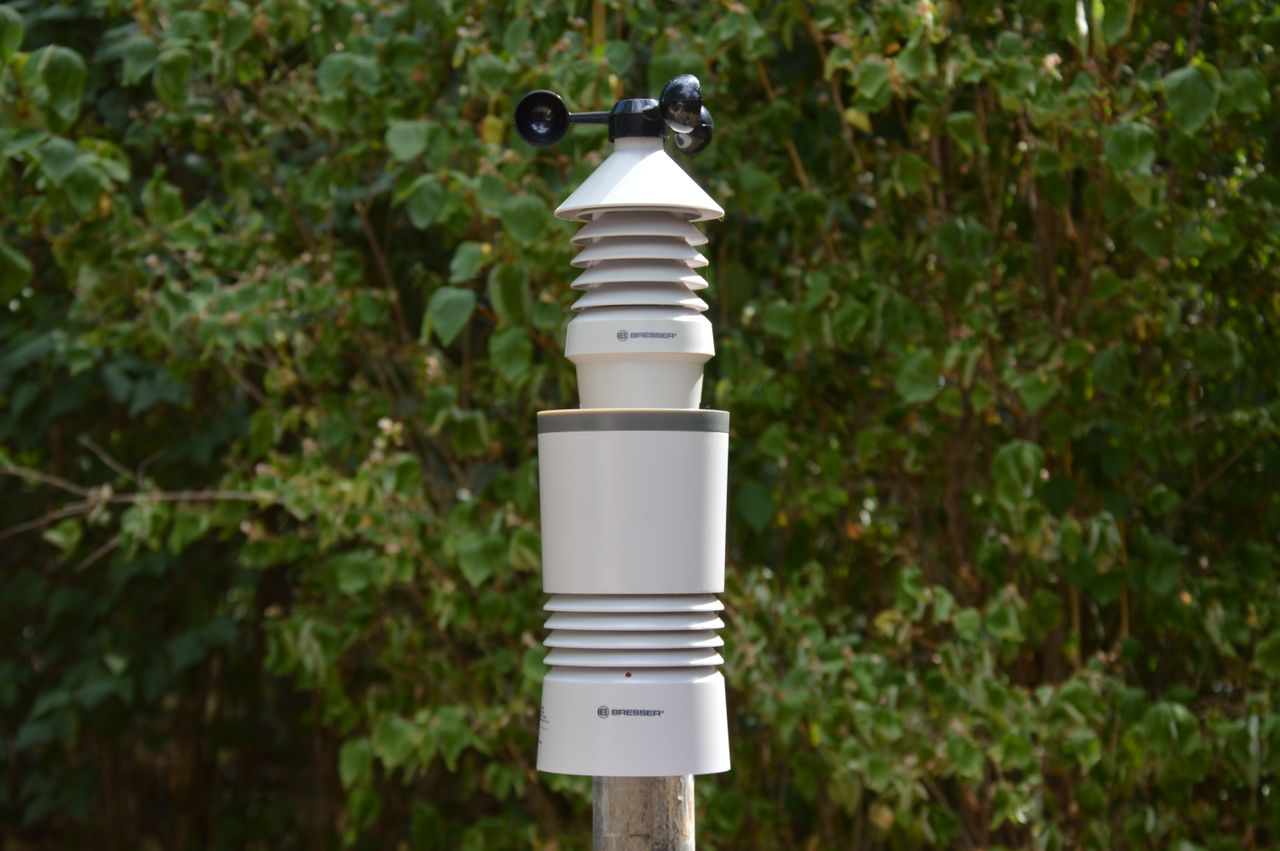
In April 2026, the weather station at Paris Charles de Gaulle Airport was manipulated to record false temperature spikes. Authorities suspect the use of a hairdryer or lighter to influence the readings on April 6 and April 15. The tampering resulted in financial gains for online prediction-market gamblers, with one individual winning $20,000 after betting on temperatures that exceeded the actual average.
Risks in the Age of AI
Traditional forecasting systems use data assimilation to verify measurements against physical models and nearby stations. However, the shift toward AI-driven models, which may bypass these quality filters to process raw data directly, introduces new vulnerabilities. Experts warn that coordinated, small-scale manipulation of multiple stations could evade current detection methods, potentially impacting wholesale electricity prices, disaster preparedness, or national security.
Proposed Safeguards
To mitigate these risks, experts recommend enhancing station security and implementing real-time anomaly detection. Protecting the AI pipeline through adversarial robustness tools and ensuring continuous accountability across the data supply chain—from station operators to national weather services—are considered essential steps to maintain forecast reliability.
Advertisement
This article was independently rewritten by ManyPress editorial AI from reporting originally published by MIT Technology Review.