Author Robert Kiyosaki’s disclosure of $1.2 billion in debt has drawn mixed reactions from Chinese readers who previously followed his investment advice.
Key facts
- •Robert Kiyosaki stated in summer podcast interviews that he owes $1.2 billion.
- •Kim Kiyosaki clarified that the debt relates to 1,500 flats and is shared with partners.
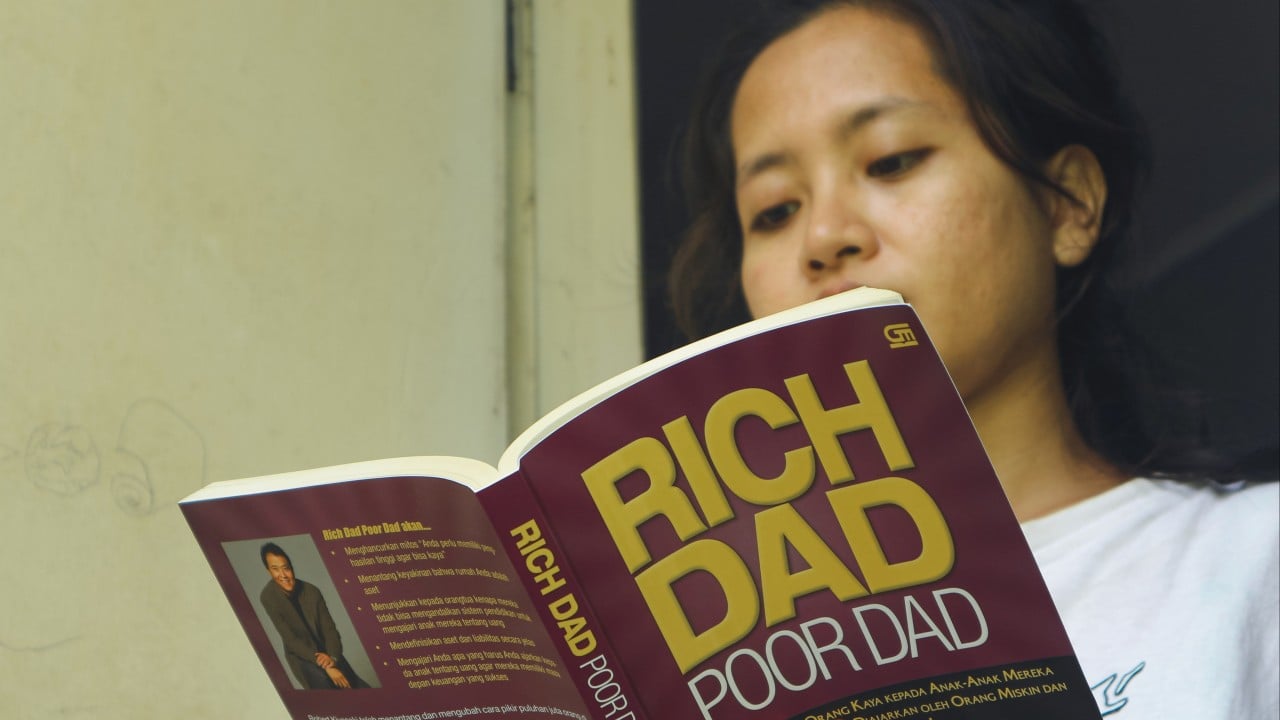
- •Rich Dad, Poor Dad was published in 1997 and became a major success in China.
- •Chinese property investors have faced significant losses and negative equity over the last five years.
- •Social media users in China are divided on whether the author's advice was beneficial or harmful.
Robert Kiyosaki, the 79-year-old author of the 1997 bestseller Rich Dad, Poor Dad, recently stated in podcast interviews that he holds $1.2 billion in debt. The revelation has triggered significant discussion in China, where many investors who previously adopted his strategies of using leverage have faced financial losses during the country's ongoing property market downturn.
By the numbers
Clarification of debt figures
While the figure of $1.2 billion drew attention, Kim Kiyosaki, the author's ex-wife and business partner, clarified in a late August interview with Vanity Fair that the debt is not personal. She explained that the borrowings are tied to investments in approximately 1,500 flats and are shared among business partners.
Reactions from Chinese readers
On the Chinese social media platform RedNote, users have expressed conflicting views regarding Kiyosaki's influence. Some investors who purchased property after reading his book reported falling into negative equity as housing prices declined over the past five years. Conversely, other readers credited the book with encouraging them to begin investing in stocks and funds.
Timeline
- 1997Robert Kiyosaki published the bestseller Rich Dad, Poor Dad.
- SummerKiyosaki claimed in podcast interviews that he owed $1.2 billion.
- Late AugustKim Kiyosaki clarified that the debt was shared and related to property investments.
Advertisement
This article was independently rewritten by ManyPress editorial AI from reporting originally published by South China Morning Post.