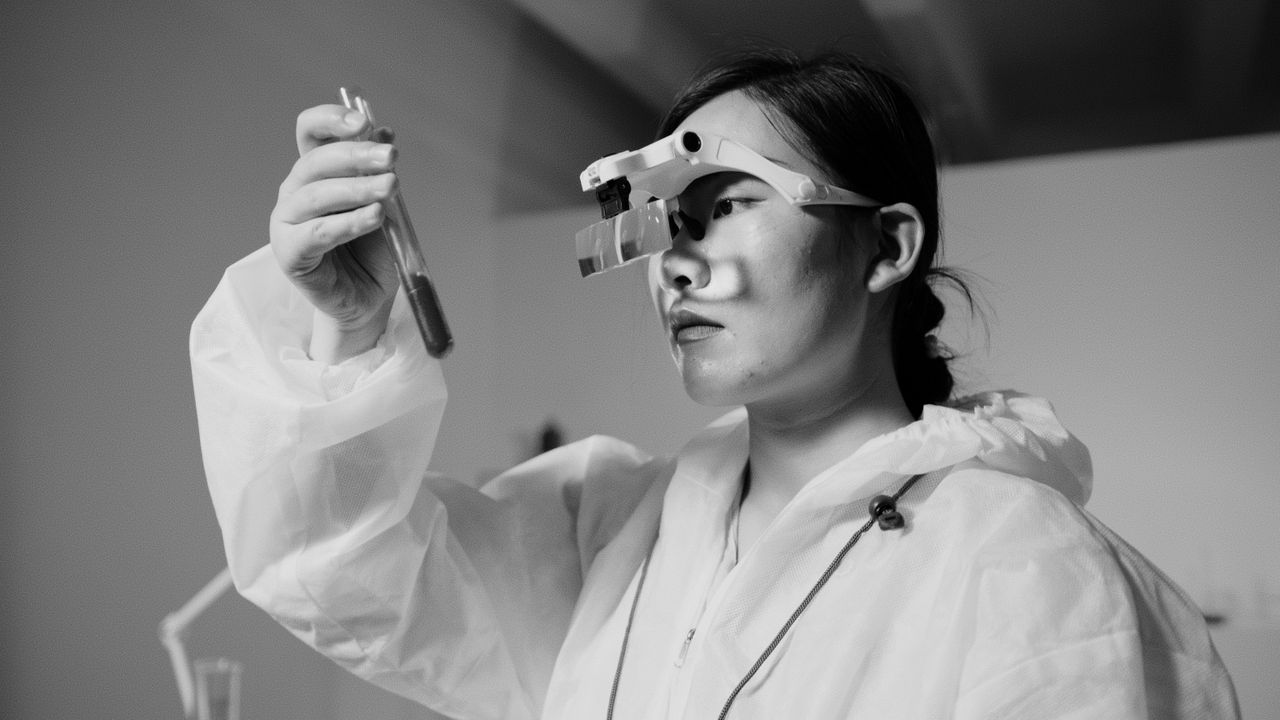
Actress Rumer Willis shares how using at-home hormone monitoring helped her understand her cycle and advocates for increased reproductive health literacy.

Key facts
- •Rumer Willis used the at-home fertility monitor Mira to track her hormone levels.
- •Willis noted that the monitor indicated she was ovulating later than she had previously believed.
- •Data from the monitor showed elevated progesterone levels, which served as an early clue of her pregnancy.
- •Dr. Kecia Gaither advises women to share cycle logs and test results with their healthcare providers.
- •Willis advocates for women to have better access to data to facilitate self-advocacy in medical settings.
After giving birth to her daughter in 2023, actress Rumer Willis began using an at-home fertility monitor to better understand her reproductive health. Willis, who had previously used hormonal birth control, sought to gain more insight into her cycle and fertility. She utilized the Mira system, which measures hormone concentrations in urine, to track her levels and ovulation patterns.
Insights from Hormone Monitoring
Willis reported that using the fertility monitor revealed her ovulation occurred later than she previously assumed, noting that she would have missed her window for conception if she had been actively trying. Additionally, she stated that the device provided an early indication of her pregnancy when she observed high progesterone levels shortly before her expected period.
Expert Perspective on At-Home Testing
Dr. Kecia Gaither, an OB/GYN and maternal fetal medicine specialist, noted that at-home tests like urine LH strips and progesterone metabolite tests can help confirm ovulation and provide data for medical evaluations. She recommends that women pair these tests with a cycle log tracking symptoms and flow, and share this information with their healthcare providers.
Advocacy for Reproductive Literacy
Willis expressed a desire for improved sex education and hormone literacy, criticizing current frameworks as fear-based. She advocates for women to use data as a tool for self-advocacy when speaking with doctors. Willis also highlighted concerns regarding gaps in medical research, noting that many medications are primarily tested on male bodies.
Advertisement
This article was independently rewritten by ManyPress editorial AI from reporting originally published by Healthline.