Russia has sold significant volumes of gold in 2026 to raise cash as defense spending for the war in Ukraine continues to strain the federal budget.
Key facts
- •Russia's gold reserves stood at 73.4 million troy ounces, or 2,282 metric tons, as of the start of July 2026.
- •Defense spending in 2025 totaled approximately 16 trillion rubles, or $204 billion.
- •The finance ministry reportedly warned of at least $28 billion in war-related overspending for 2026.
- •Russia holds the world's fifth-largest gold reserves, comparable to those of China, France, and Italy.
- •Analysts estimate the National Welfare Fund holds approximately $50 billion in liquid assets.
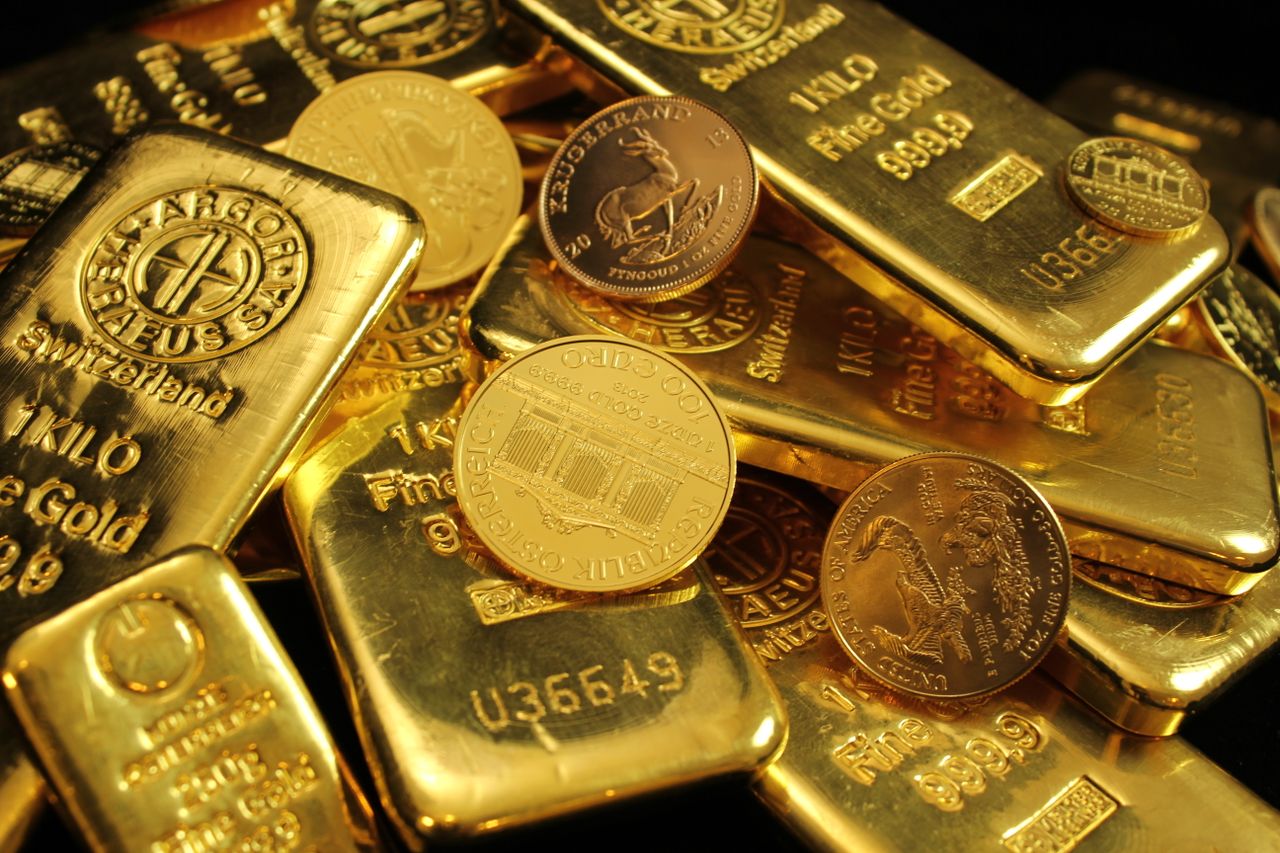
Russia has sold significant volumes of its gold reserves in 2026 to help cover a growing budget deficit. Data from the Russian Central Bank shows reserves fell by approximately 43.5 metric tonnes since the start of the year, leaving holdings at their lowest level since before the February 2022 invasion of Ukraine. The sell-off is estimated to have raised over $5 billion.
By the numbers
Budget Pressures and Defense Spending
The Russian government faces significant financial strain due to increased defense spending, which has more than quadrupled since 2021. Government data indicates that the 2026 budget deficit is projected at 1.6% of GDP, or approximately $40 billion, with potential for further overspending. While oil and gas revenues have provided some relief, analysts note that the country's ability to finance the war remains heavily dependent on these energy prices.
Role of the National Welfare Fund
Financial analysts suggest the gold sales are primarily conducted by the finance ministry through the National Welfare Fund (NWF) rather than the Central Bank. The fund, estimated to be worth $150 billion with $50 billion in liquid assets, uses gold as a key component to maintain liquidity. Because Russia is a major gold producer, experts note the country can replenish its stocks by purchasing from domestic producers.
Economic Outlook and Long-term Impact
While experts do not view the gold sales as a sign of immediate financial collapse, they warn of long-term economic distortions. Analysts suggest that while Russia can likely sustain its current war spending for the next 12 to 24 months by cutting non-defense expenditures, the current fiscal approach is creating divisions within the government regarding the country's future economic trajectory.
Advertisement
This article was independently rewritten by ManyPress editorial AI from reporting originally published by Deutsche Welle Business.