Despite ongoing sanctions, Russia continues to export energy and metals to the European Union, with industrial dependencies complicating efforts to fully sever commercial ties.
Key facts
- •Russia exported 7.7 billion euros in goods to the EU between January and April 2026.
- •EU imports of Russian steel slabs rose 24% year-on-year to 1.65 million metric tons in early 2026.
- •A full ban on Russian LNG imports, which accounts for roughly 60% of remaining energy trade, is set for 2027.
- •Rusal and NLMK Group employ a combined total of approximately 3,000 people across their European facilities.
- •EU imports of Russian aluminum fell to a record low of 24,654 metric tons in the first four months of 2026.
As the war in Ukraine enters its fifth year, Russia maintains significant commercial trade with the European Union. According to Eurostat data, Russia exported 7.7 billion euros ($9.0 billion) worth of goods to the bloc in the first four months of 2026. While trade has decreased from pre-war levels, the EU continues to import Russian energy and metals through various exemptions and sectors not yet covered by the toughest sanctions.
By the numbers
Energy and Metal Trade Dependencies
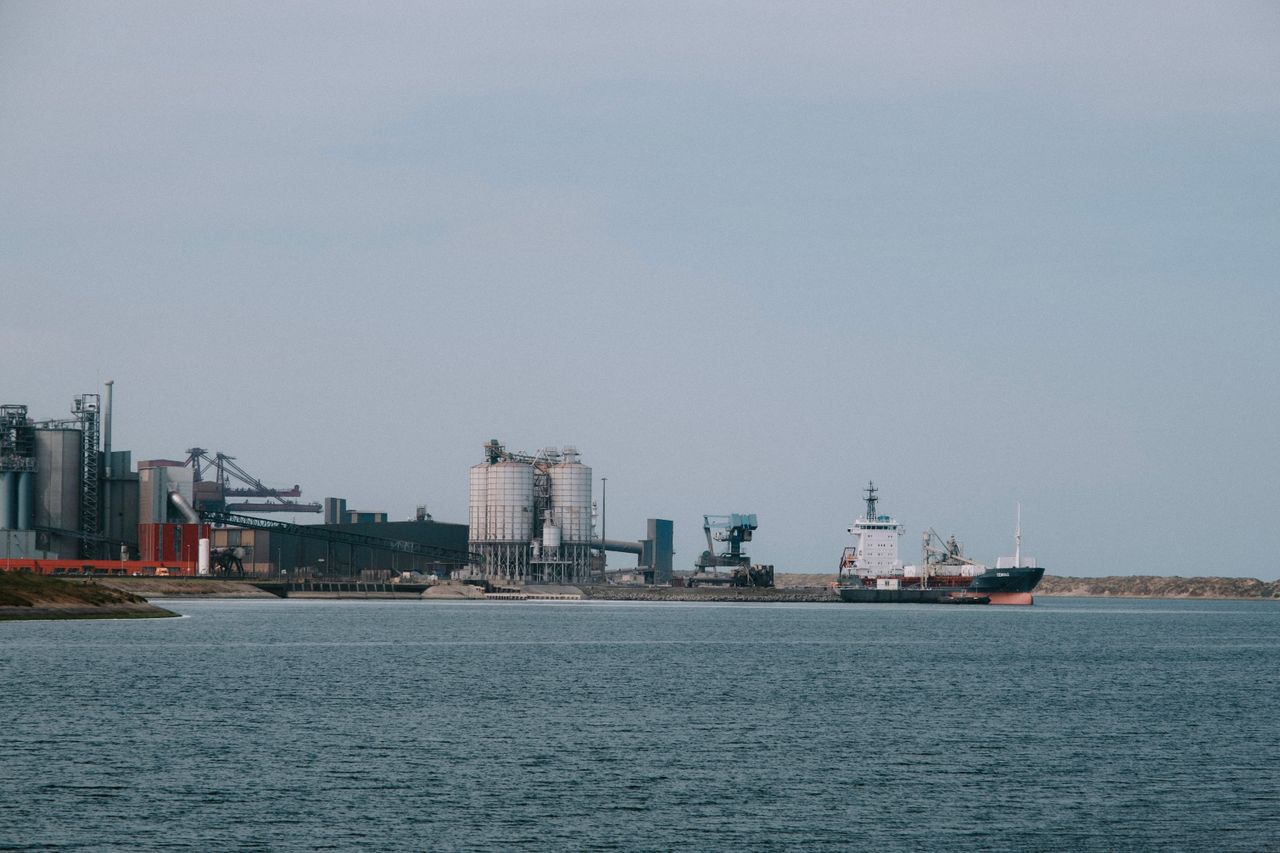
Energy remains the largest component of Russia-EU trade, primarily driven by liquefied natural gas and oil. While the EU has banned most seaborne crude oil imports, a full ban on Russian LNG is not scheduled until 2027. Meanwhile, the metals sector remains a significant gap in the sanctions regime, with Russia exporting over 700 million euros in steel and 65 million euros in aluminum to the EU in early 2026. Major Russian companies, including Rusal and NLMK Group, continue to operate facilities within the EU. NLMK, controlled by Vladimir Lisin, processes semi-finished steel slabs imported from Russia at mills in Belgium, Italy, and Denmark. These products are used by European shipbuilders and energy infrastructure companies, with demand remaining high due to the lower cost of Russian supplies.
Political and Economic Challenges
Efforts to sanction these companies face political hurdles due to concerns over job losses and industrial disruption. Rusal and NLMK employ thousands of workers across their European operations, and member states hosting these facilities have historically resisted measures that would threaten their viability. While EU foreign policy chief Kaja Kallas has indicated a focus on closing sanctions gaps, particularly in metals, Brussels remains cautious about disrupting critical supply chains. Increased scrutiny has followed reports that materials from Rusal’s Irish refinery may have reached the Russian defense industry, leading to investigations by Irish and Swedish authorities. Despite this, experts suggest that a sudden ban on products like steel slabs is unlikely in the near term, as member states like Belgium have signaled opposition to measures that would force the closure of local mills.
Advertisement
This article was independently rewritten by ManyPress editorial AI from reporting originally published by The Moscow Times.