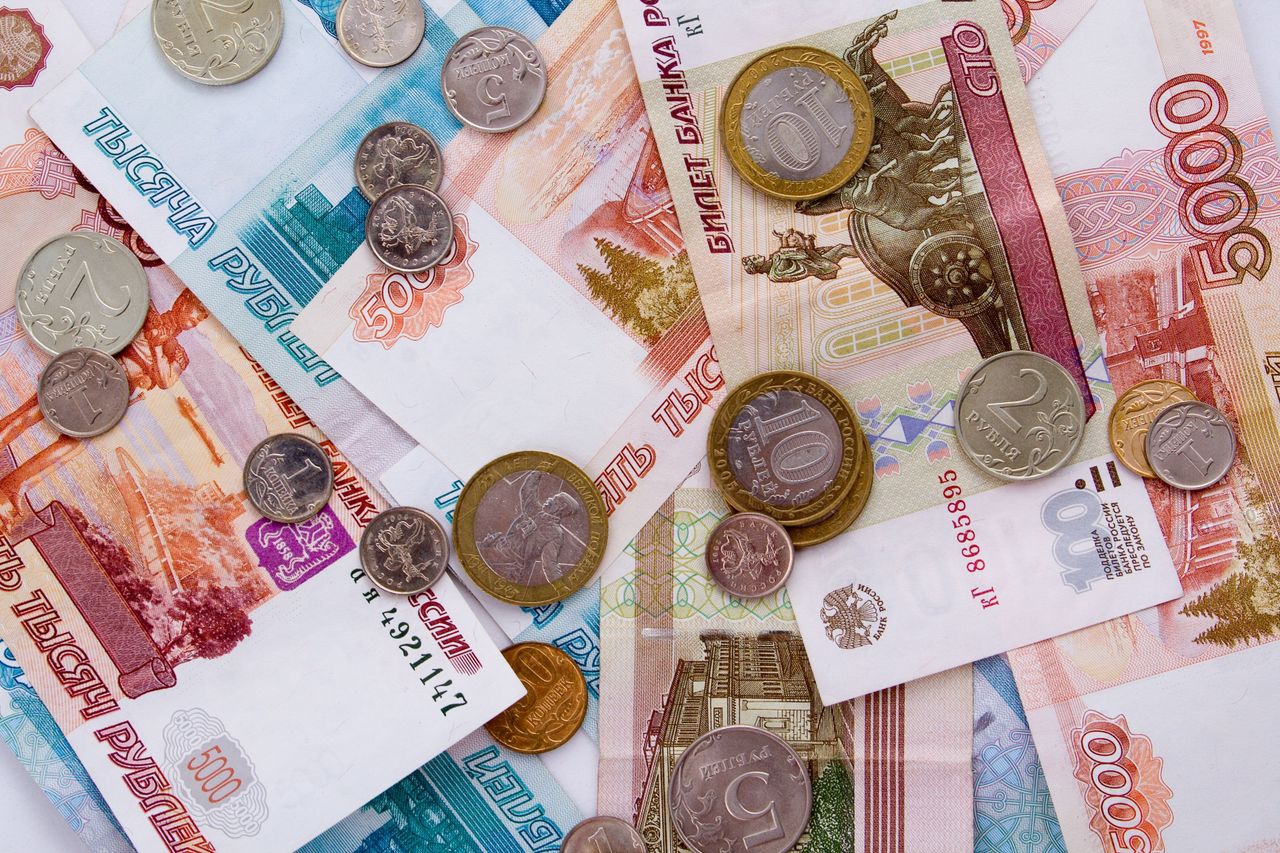
Russian households and businesses have added 2.1 trillion rubles to their cash holdings this year, driven by internet outages, tax avoidance, and concerns over potential bank deposit freezes.
Key facts
- •Cash holdings increased by 2.1 trillion rubles in the first part of 2026.
- •Sberbank forecasts a record annual increase of 3.8 trillion rubles in cash circulation for 2026.
- •Tax-related offenses in Russia rose by 17% year-over-year in the first half of 2026.
- •The Russian Central Bank reduced its key interest rate to 14%.
- •Cash currently accounts for approximately 15% of Russia's overall money supply.
Russian households and businesses have added 2.1 trillion rubles ($25.3 billion) to their cash holdings so far in 2026, marking the largest increase since the start of the war in Ukraine. This trend surpasses the 1.8 trillion rubles added during the same period in 2023. Sberbank projects that total cash in circulation could rise by 3.8 trillion rubles ($45.8 billion) by the end of the year.
By the numbers
Drivers of the Cash Surge
The shift toward cash is attributed to several factors, including practical issues like mobile signal jamming that disrupted card payment terminals. Public anxiety has also increased following comments from officials regarding the potential use of bank deposits for the war effort. Additionally, businesses are increasingly using cash to avoid a VAT increase from 20% to 22% and to stay under income thresholds for tax requirements.
Economic Implications
The rise in cash usage is fueling an informal economy and contributing to a 17% year-over-year increase in tax-related offenses during the first half of 2026. This trend reduces the capital available for banks to lend or purchase government bonds. However, some economists note that the 11.7% growth in cash circulation is consistent with seasonal trends and that the overall share of cash in the money supply remains stable at approximately 15%.
Impact of Interest Rates
Economists suggest that falling interest rates are also influencing financial behavior. With the Russian Central Bank cutting its key interest rate for the tenth consecutive time to 14%, there is less incentive for individuals to keep money in long-term savings accounts. Consequently, households and businesses are prioritizing liquid assets like cash and checking accounts over locked savings.
Advertisement
This article was independently rewritten by ManyPress editorial AI from reporting originally published by The Moscow Times.