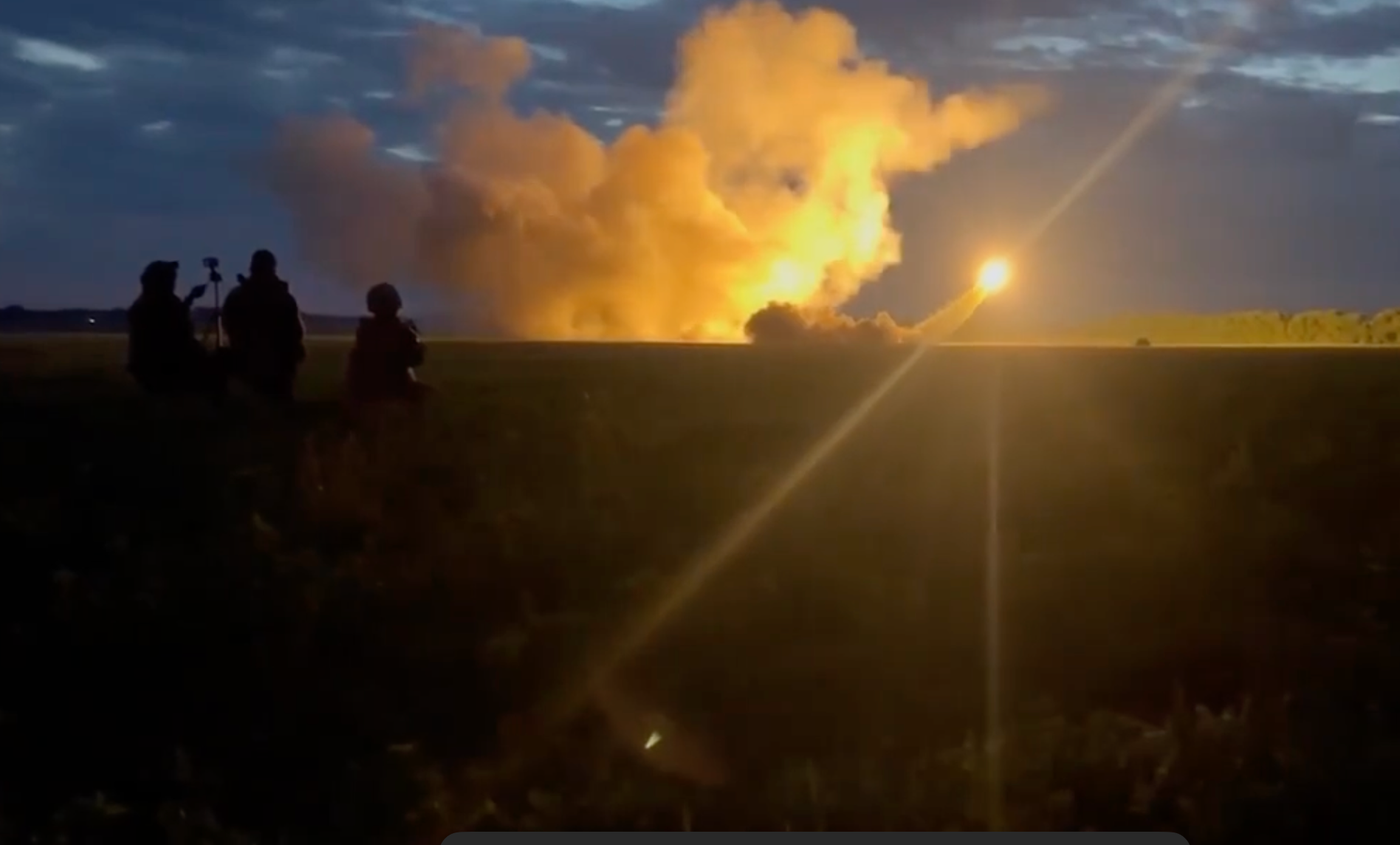
Bellingcat has geolocated footage of Shahed-136 type kamikaze drones operating in northern Mali, marking the first verified visual evidence of their use in the region.
Key facts
- •Bellingcat geolocated drone strikes in the villages of Inafarak on July 12 and Talahandak on July 17.
- •Weapons experts identified engine remnants found at the Inafarak site as consistent with the Shahed-136 drone family.
- •The drones are likely Russian-manufactured, according to experts citing the presence of the Africa Corps in Mali.
- •The Shahed-136 is an expendable, long-range, one-way attack drone originally developed in Iran.
- •The strikes targeted commercial vehicles, including a truck carrying cooking oil in Talahandak.
Bellingcat has verified the use of Shahed-136 type kamikaze drones in northern Mali through geolocated footage and satellite imagery. The investigation confirmed two separate strikes in the villages of Inafarak on July 12 and Talahandak on July 17. While the exact variant remains unconfirmed, experts suggest the drones are likely Russian-manufactured, aligning with the presence of the Kremlin-controlled Africa Corps in the country.
Verified Drone Strikes in Mali
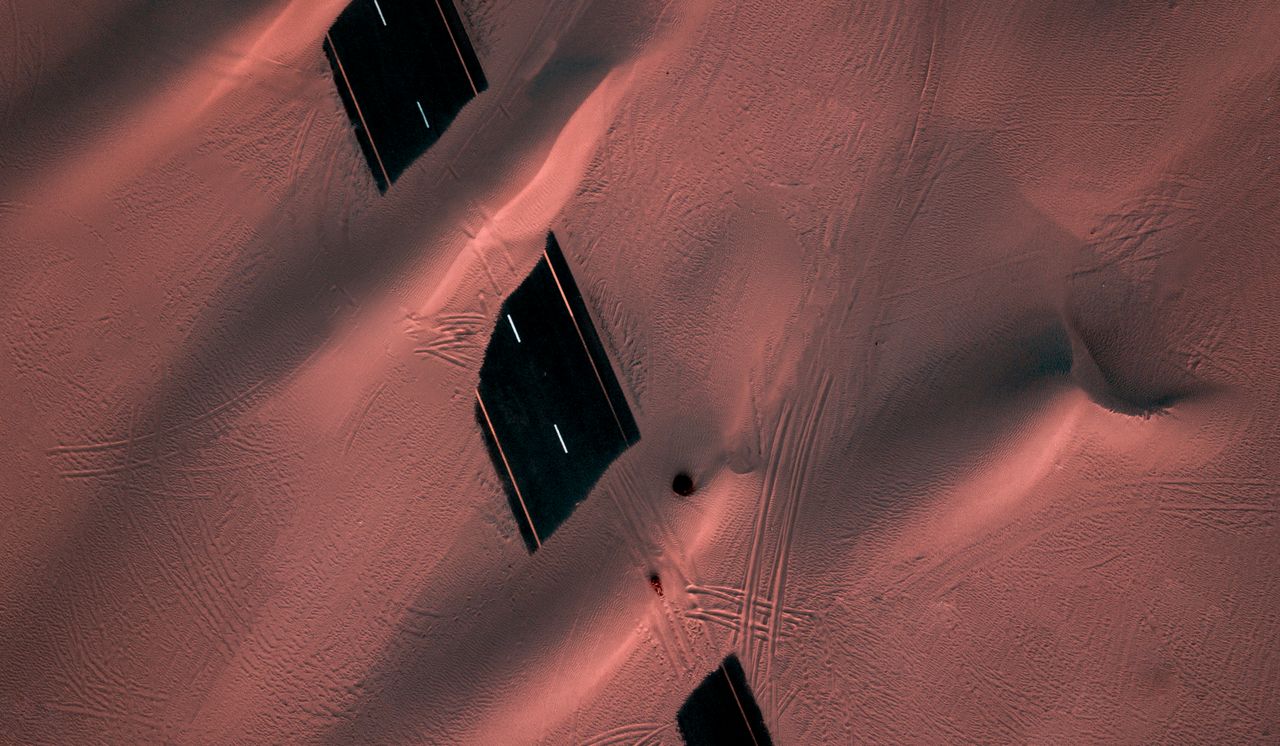
The investigation geolocated footage of the July 12 strike in Inafarak by matching post-strike satellite imagery from July 15 with 2024 records. The strike damaged a commercial facility, including a truck and fuel drums. Remnants of an MD-550 engine found at the site were identified by weapons researchers as consistent with the Shahed-136 family of drones. A second strike occurred on July 17 in Talahandak, located approximately 100 miles southeast of Inafarak. Footage showed the drone in flight before impacting a commercial truck carrying cooking oil. Bellingcat confirmed the authenticity of the flight footage by matching a smoke plume visible in multiple videos to the impact site.
Strategic Implications of Drone Deployment
Experts note that the Shahed-136 provides the Africa Corps and Malian Armed Forces with a cost-effective, long-range strike capability that exceeds the reach of the Bayraktar TB2 drones previously used in the conflict. Unlike precision-guided munitions, these one-way attack drones are expendable and designed to explode on impact. Drone expert Leo Jarry stated that the system is less precise than the Bayraktar TB2 because it cannot verify targets during flight. This reliance on separate surveillance assets, combined with the drone's larger warhead, increases the risk of civilian harm when operating in populated areas.
Timeline
- July 12A drone strike occurred in the village of Inafarak.
- July 15Satellite imagery captured the aftermath of the Inafarak strike.
- July 17A second drone strike occurred in the village of Talahandak.
Advertisement
This article was independently rewritten by ManyPress editorial AI from reporting originally published by Bellingcat.