The traditional two-sided geopolitical alignment on the Korean Peninsula is evolving as regional actors pursue more fluid and independent strategies.
Key facts
- •President Trump has ordered a reduction in annual Ulchi Freedom Shield exercises with South Korea.
- •North Korea and Russia have established a Comprehensive Strategic Partnership Treaty with a mutual defense provision.
- •South Korean President Lee Jae Myung is seeking increased flexibility in managing relations with Washington, Beijing, and Pyongyang.
- •Chinese Foreign Minister Wang Yi visited Seoul to discuss regional relations and strategic autonomy.
- •North Korea now presents its nuclear arsenal as a permanent national security feature rather than a tool for sanctions relief.
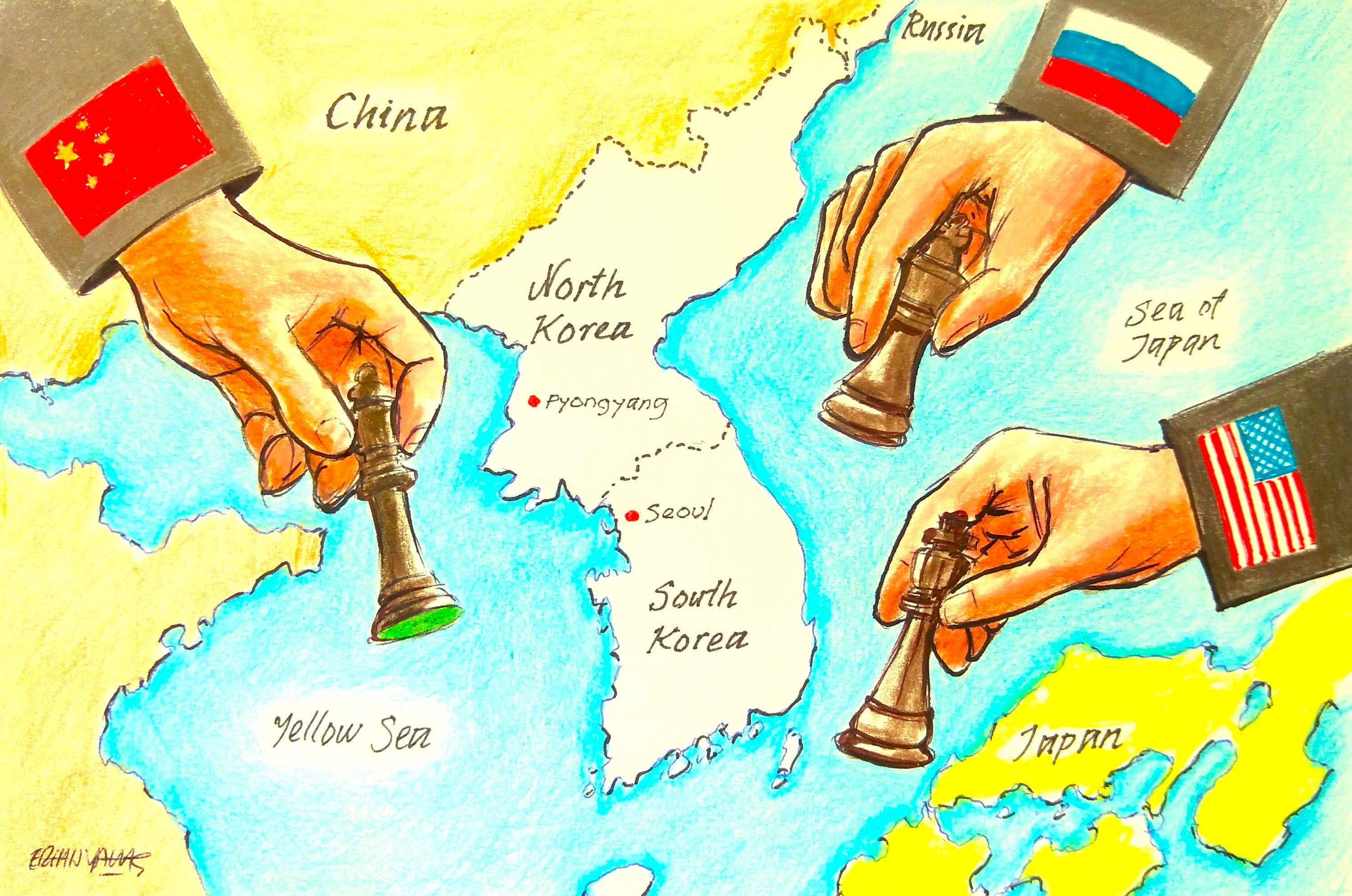
The strategic landscape of the Korean Peninsula is undergoing a significant transformation, moving away from the long-standing binary alignment of the U.S.-South Korea alliance versus a China-backed North Korea. U.S. President Donald Trump has initiated efforts to renew direct diplomacy with North Korean leader Kim Jong Un, including reducing military exercises. Simultaneously, North Korea has deepened its military and political ties with Russia, while South Korea seeks greater strategic autonomy.
Changing Alliances and Diplomatic Leverage
North Korea’s diplomatic position has evolved since the 2018 Singapore summit. Pyongyang now maintains a Comprehensive Strategic Partnership Treaty with Moscow, which includes a mutual defense provision, and North Korean troops have engaged in combat alongside Russian forces. This development provides Kim Jong Un with increased leverage, as he no longer relies solely on China for political and military support.
South Korea’s Pursuit of Strategic Autonomy
South Korean President Lee Jae Myung is pushing for greater control over security and economic decisions while maintaining the alliance with Washington. This balancing act is complicated by U.S. trade policies and pressure to shoulder more defense responsibilities. Meanwhile, Chinese Foreign Minister Wang Yi has encouraged Seoul to pursue 'genuine strategic autonomy' and avoid bloc confrontations, though Beijing has not endorsed Seoul's proposals for multiparty peace talks.
Shifting Nuclear and Security Perspectives
North Korea increasingly views its nuclear arsenal as a permanent security component rather than a bargaining chip for sanctions relief. This shift challenges the feasibility of complete denuclearization as a primary diplomatic goal. Consequently, future negotiations may need to focus on arms control and risk reduction as the regional power structure becomes more complex and less defined by two opposing blocs.
Advertisement
This article was independently rewritten by ManyPress editorial AI from reporting originally published by Daily Sabah.