Low water levels in the Danube are disrupting regional economies, highlighting the long-term impact of landscape degradation on drought resilience.
Key facts
- •At the Giurgiu hydrological station, water discharge on August 10 was approximately 1,480 m³/s, compared to the long-term August average of 4,600 m³/s.
- •The EU's Nature Restoration Regulation mandates that restoration measures be applied to at least 20 percent of land and sea areas by 2030.
- •Groundwater levels on the Hungarian Great Plain are currently falling by an average of one to three centimeters per year.
- •The Danube basin supports 79 million people, providing essential resources for energy production, agriculture, and drinking water.
- •Nature-positive agricultural practices, such as maintaining ground cover and reducing tillage, are suggested to help soil retain water during dry periods.
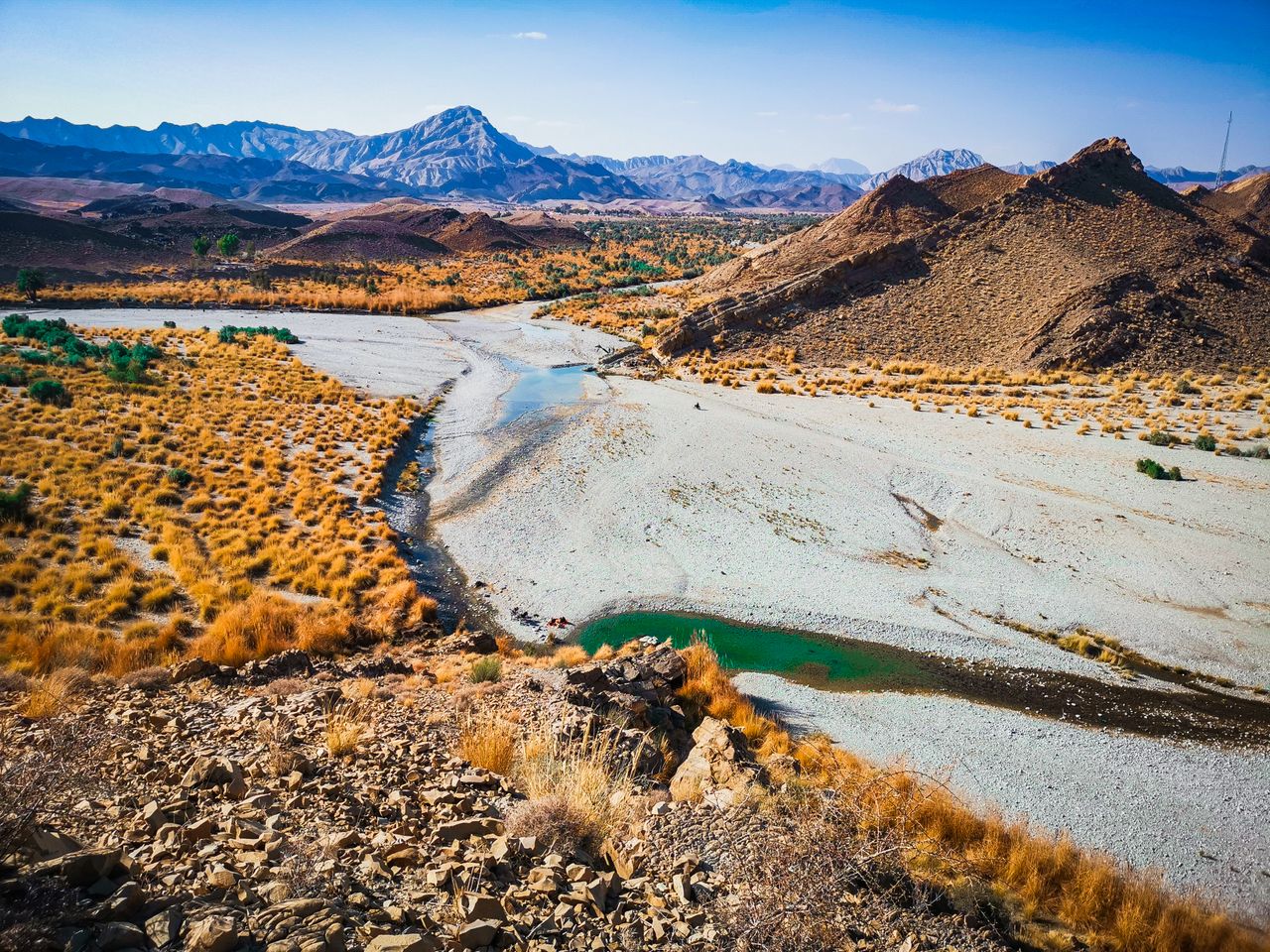
Exceptionally low water levels in the Danube have caused significant regional disruption, stranding vessels and forcing the shutdown of nuclear reactors. The river, which supports 79 million people across Central and Eastern Europe, was recently recorded at less than one-third of its typical August flow. This crisis underscores a broader economic challenge as climate-related extremes, including droughts and floods, continue to impact the continent.
By the numbers
Historical Landscape Changes
Over the past 150 years, more than 80 percent of the original wetlands and floodplains along the Danube and its tributaries have been lost due to river regulation, straightening, and infrastructure development. These changes have reduced the landscape's natural capacity to retain water during wet periods, leaving the region more vulnerable to prolonged dry spells. The Tisza River serves as a primary example of this transformation. Once a meandering river, it was shortened by approximately 30 percent—from 1,400 km to 966 km—and confined by embankments. This shift has accelerated water drainage, contributing to a decline in groundwater levels across the Hungarian Great Plain by several meters in some areas over recent decades.
Economic and Environmental Impact
A study led by the University of Mannheim and the European Central Bank estimated that heatwaves, droughts, and floods caused at least 43 billion euros in short-term economic losses across Europe in 2025. Projections suggest these costs could reach 126 billion euros by 2029. Beyond economic damage, the European Environment Agency notes that approximately 62 percent of European soils show signs of degradation, further weakening the land's ability to act as a sponge for water. Proposed solutions include nature-based measures such as reconnecting floodplains and restoring wetlands. For the Tisza River basin, experts have identified at least 150,000 hectares of floodplain depressions that could be reconnected to the river system to improve water retention and carbon storage.
Advertisement
This article was independently rewritten by ManyPress editorial AI from reporting originally published by Emerging Europe.