Tyumen is grappling with severe Tura River flooding and water quality issues, while the northern Yamalo-Nenets district battles record-breaking wildfires.
Key facts
- •The Tura River reached 8.96 meters in early August, just below the 1979 record of 9.15 meters.
- •Utility workers collected nearly 1 metric ton of dead fish from the Tura River banks in two days.
- •Wildfires in the Yamalo-Nenets district have engulfed over 37,000 hectares of forest as of Wednesday.
- •Regional authorities declared a state of emergency in Tyumen on July 28 and in the Yamalo-Nenets district on July 30.
- •Russia experienced its hottest July since record-keeping began in 1891.
The Siberian city of Tyumen is experiencing severe environmental crises, including record-level flooding of the Tura River and deteriorating tap water quality. Simultaneously, the northern Yamalo-Nenets district is contending with extensive wildfires fueled by record-breaking summer temperatures. Regional authorities have declared states of emergency in both areas as extreme weather patterns, attributed by experts to climate change, continue to impact the region.
By the numbers
Tura River Flooding and Water Quality
Heavy rainfall in June and July pushed the Tura River to 8.96 meters by early August, nearing the 1979 record of 9.15 meters. The flooding caused widespread rotting of submerged vegetation, which depleted oxygen levels in the water and led to the death of scores of fish. Utility services collected nearly 1 metric ton of dead fish from the riverbanks in two days. Residents in the city of over 800,000 have reported a foul stench from the river and contaminated tap water, with some citing rashes and food poisoning symptoms. While the consumer watchdog Rospotrebnadzor stated the water meets safety requirements, it advised residents to boil it or use bottled water. Experts suggest the city should consider shifting to underground water sources to avoid future crises.
Wildfires in the Arctic North
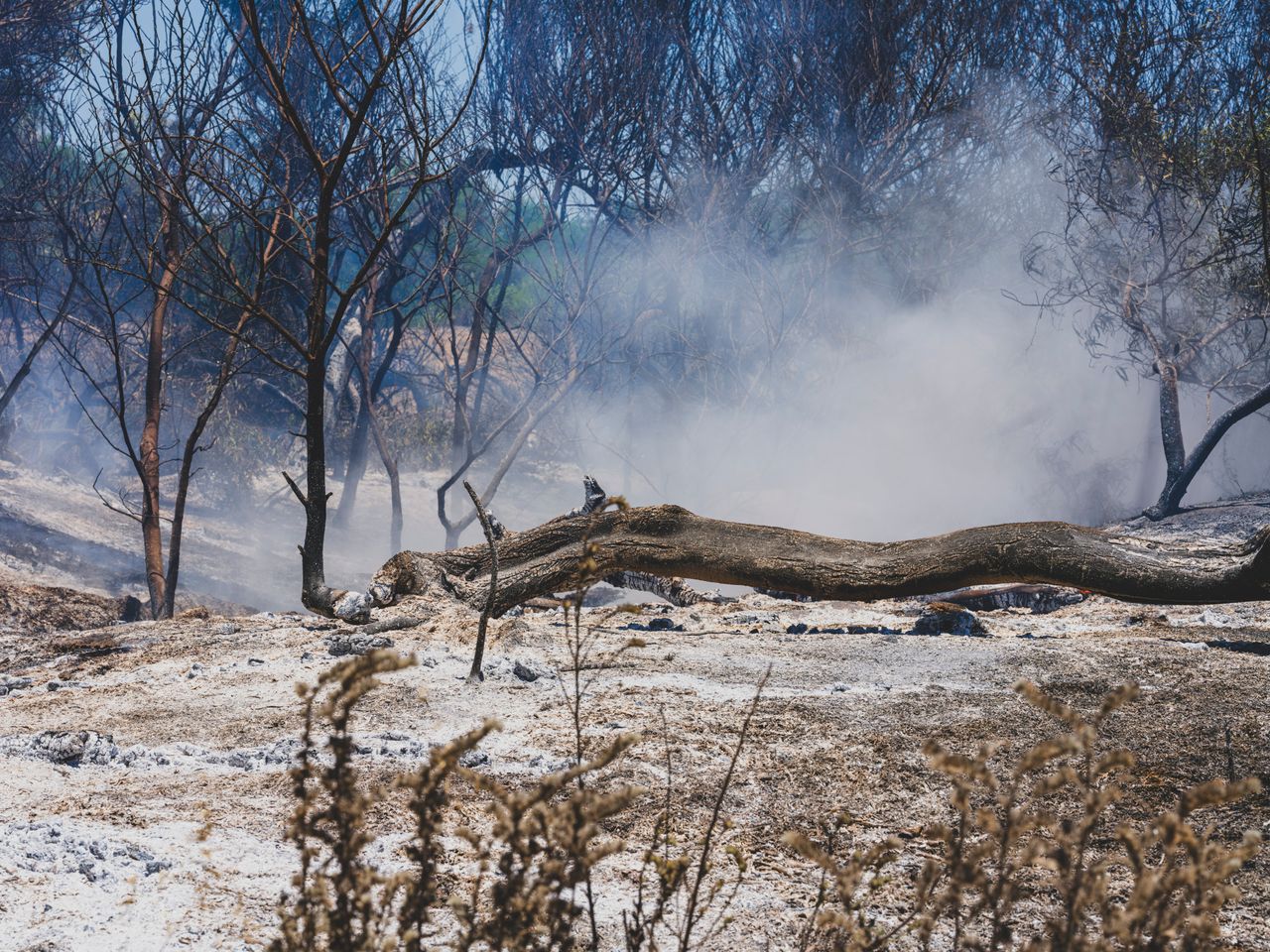
In the northern Yamalo-Nenets district, record heat and dry thunderstorms have triggered significant wildfires. As of Wednesday, more than 37,000 hectares of taiga forest had been destroyed. Governor Dmitry Artyukhov declared a state of emergency on July 30, noting that while fires are currently far from populated areas, smoke has affected several cities and towns. More than 600 people are involved in containment efforts. Environmental experts describe these events as part of a broader climatic shift, where warm air from Central Asia has penetrated the Arctic, creating extreme weather conditions that existing infrastructure is not equipped to handle.
Timeline
- July 28Regional authorities declared a state of emergency in Tyumen.
- July 30Governor Dmitry Artyukhov declared a state of emergency in the Yamalo-Nenets district.
- Early AugustThe Tura River reached 8.96 meters.
Advertisement
This article was independently rewritten by ManyPress editorial AI from reporting originally published by The Moscow Times.