A study warns of light pollution from space mirrors, while Insilico Medicine's patent filing highlights legal hurdles in AI drug discovery.
Key facts
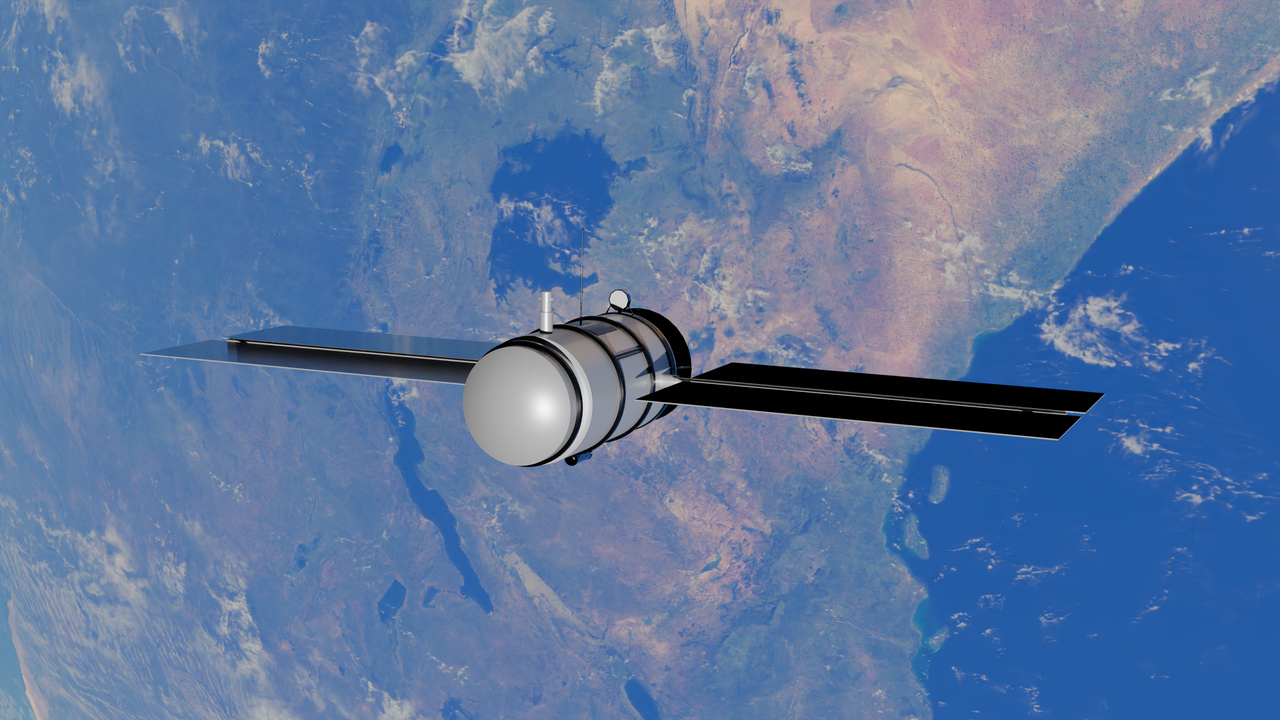
- •Reflect Orbital plans to launch a test satellite later this year with an 18-by-18-meter mirror.
- •The company's long-term goal is to launch up to 50,000 satellites to reflect sunlight to Earth.
- •Research suggests light beams from the mirrors could reach the brightness of 10,000 full moons.
- •Insilico Medicine named five humans as inventors on a patent for a drug it previously credited to generative AI.
- •Current intellectual property law requires human inventors to secure rights to an invention.
Reflect Orbital plans to launch a test satellite later this year featuring an 18-by-18-meter mirror designed to reflect sunlight to Earth. While the company suggests the technology could support solar charging and emergency response, a new study warns the light could be as bright as 10,000 full moons. Separately, Insilico Medicine recently filed a patent for a drug it previously claimed was discovered by generative AI, yet the filing listed only human inventors to comply with intellectual property law.
By the numbers
Space Mirror Light Pollution Concerns
Reflect Orbital aims to eventually deploy a constellation of up to 50,000 satellites to provide on-demand sunlight. However, researchers indicate that these beams could scatter light over tens of kilometers, potentially impacting aviation, wildlife, and dark sky preservation efforts. The study suggests the unintended illumination could affect significantly more people than the company initially intended.
AI and Intellectual Property Law
The case of Insilico Medicine highlights a growing conflict between AI-driven innovation and current patent law. Although the company used computer models to design a drug for pulmonary fibrosis, it did not credit AI in its patent application. Instead, it named five human inventors, as current law requires human authorship to secure intellectual property rights. This discrepancy raises questions about how patent systems will adapt as AI becomes increasingly central to drug design.
Advertisement
This article was independently rewritten by ManyPress editorial AI from reporting originally published by MIT Technology Review.