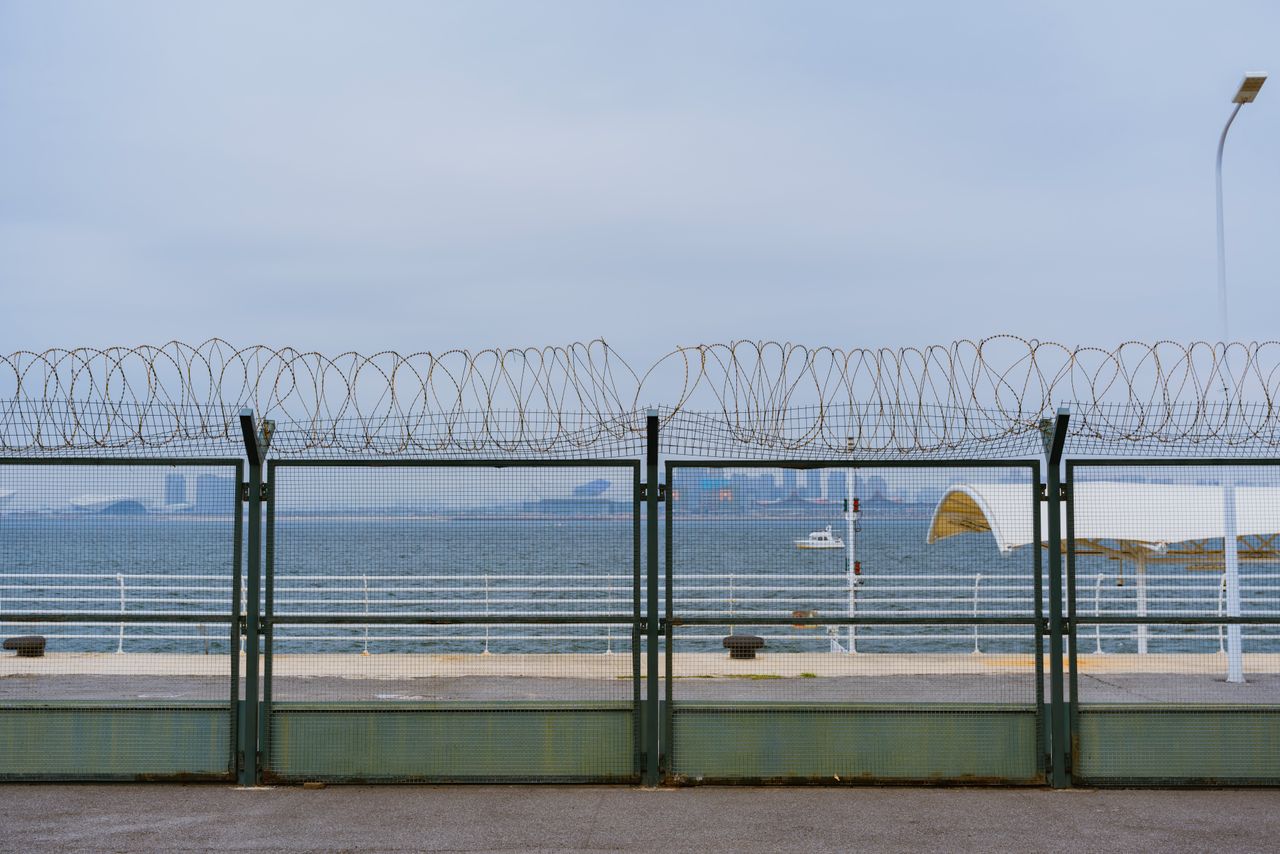
Approximately 60,000 migrants crossed into the Spanish exclave of Ceuta, prompting a humanitarian emergency and diplomatic tensions within the European Union.
Key facts
- •Approximately 60,000 migrants entered the Spanish exclave of Ceuta in a 24-hour period.
- •At least 57 people died during the border crossing attempts.
- •Italy suspended its Schengen agreement with Spain in response to the crisis.
- •Ceuta President Juan Jesús Vivas urged Madrid to declare a national emergency.
- •Spanish Prime Minister Pedro Sánchez denounced Italy's suspension of the Schengen agreement.
Spanish authorities reported that roughly 60,000 migrants entered the Spanish exclave of Ceuta from Morocco over a 24-hour period. While Madrid states that about 48,300 people returned to Morocco, the event has overwhelmed local services and triggered a significant diplomatic dispute. Prime Minister Pedro Sánchez described the surge as an attack on Spain’s territorial integrity, while Ceuta President Juan Jesús Vivas declared the situation an absolute humanitarian and social emergency.
By the numbers
Humanitarian and Security Impact
The influx of migrants is equivalent to approximately 70 percent of Ceuta’s total population of 85,000. During the crossing, Moroccan security forces employed tear gas, water cannons, and warning shots to manage the crowds, resulting in at least 57 deaths from drowning or stampedes. Spain has deployed armed forces to the territory to restore order.
Diplomatic Fallout Within the EU
The crisis has strained relations between Spain and other EU nations. Italian Prime Minister Giorgia Meloni’s government ordered a temporary suspension of the Schengen agreement with Spain, halting free movement across air and sea borders. While French Interior Minister Laurent Nuñez defended Spain’s internal policies, Finnish Interior Minister Mari Rantanen argued that Spain has failed to protect the external Schengen border, suggesting that countries failing in this duty should not be members of the agreement.
Advertisement
This article was independently rewritten by ManyPress editorial AI from reporting originally published by Foreign Policy.