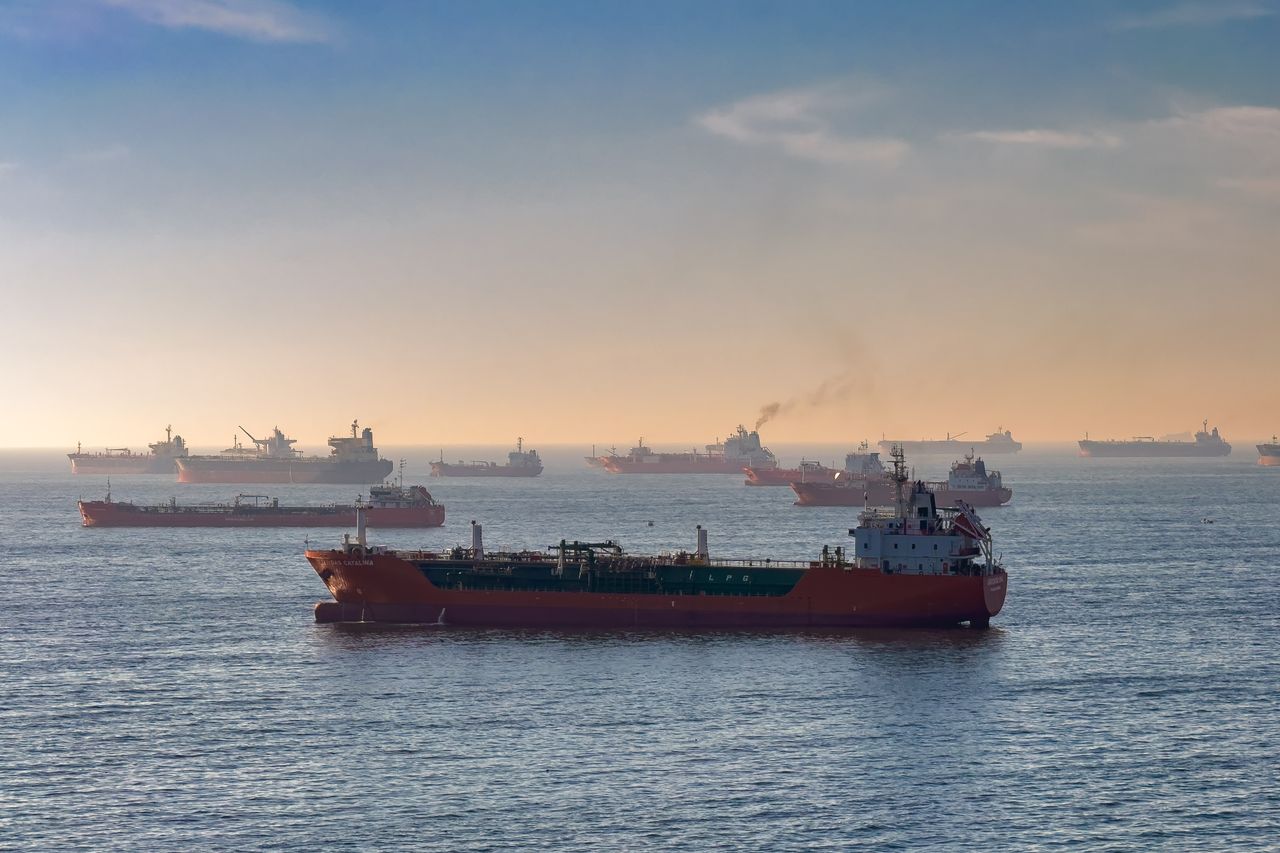
The Strait of Hormuz has become a dangerous waterway due to Iran's attacks on shipping vessels, yet some ships still transit the strait.
Key facts
- •The Strait of Hormuz has become one of the world's most dangerous waterways due to Iran's attacks on shipping vessels.
- •At least 84 ships crossed the Strait of Hormuz in two periods of the conflict.
- •Most ships did not fly the flag of their country of origin.
- •The United Arab Emirates has the most ships registered that transited the strait, with 13 cargo ships and two liquefied petroleum gas tankers.
- •The primary motive for continuing to move oil and other goods via the Strait of Hormuz is financial.
The Strait of Hormuz has become one of the world's most dangerous waterways since March, when Iran began attacking shipping vessels. Despite the risks, shipping traffic has not completely halted, with some vessels still transiting the strait.
By the numbers
Shipping Traffic
According to the Joint Maritime Information Center (JMIC), commercial traffic through the Strait of Hormuz remained at reduced levels, with vessels transiting via both the southern Omani corridor and the northern Iranian-controlled route. An analysis of data from the open-source platform Global Fishing Watch showed that several shipping companies have navigated their vessels through the Strait of Hormuz throughout the war.
Ship Registrations
Of the 84 ships that crossed the Strait of Hormuz, 34 moved from east to west into the Persian Gulf and 50 crossed the strait in the opposite direction. Most ships did not fly the flag of their country of origin, with only nine Iranian- and two Pakistani-owned ships transiting under their respective national flags.
Companies Involved
A wide variety of companies operating in the region continue to cross the Strait of Hormuz, including those from the United Arab Emirates, India, China, Pakistan, and Vietnam. The primary motive for continuing to move oil and other goods via the Strait of Hormuz despite the threat of attacks by Iran is financial.
Timeline
- February 28Start of the war
- April 7Announcement of a ceasefire
- July 6 and 7Renewed attacks on vessels
Advertisement
This article was independently rewritten by ManyPress editorial AI from reporting originally published by Deutsche Welle Business.