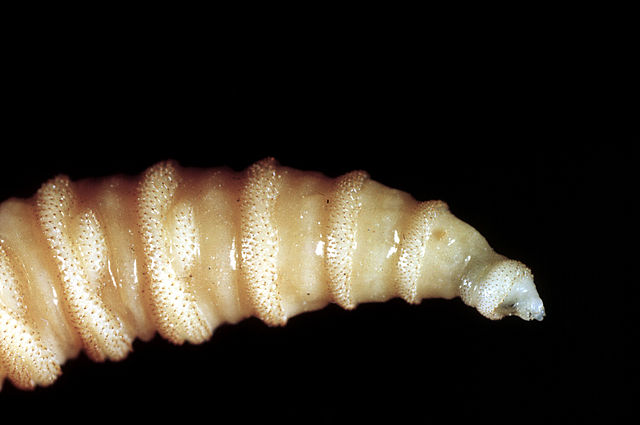
A recent study of 202 human cases of New World screwworm (NWS) myiasis reveals trends in patient demographics, infection sites, and the link between human and animal health.
Key facts
- •The study analyzed 202 confirmed cases of human NWS myiasis.
- •Lower limbs were the most common site of infestation, accounting for 55 percent of cases.
- •Six deaths were recorded among the studied patients, with an average age of 79.5 years.
- •Researchers suggest occupational exposure or delayed healthcare seeking may contribute to the higher rate of cases in men.
- •The USDA has confirmed 45 animal cases in the U.S. since June.
Researchers identified 202 cases of New World screwworm (NWS) myiasis in a recent study, finding that 72 percent of patients were male. The victims ranged in age from 12 to 93, with a mean age of 61. Most patients, 77 percent, had underlying health conditions such as diabetes, alcoholism, cancer, or skin conditions.
By the numbers
Infection Sites and Mortality
The study found that 55 percent of infestations occurred in the lower limbs, followed by the head and neck, including the nose, mouth, and eyes. Six deaths were reported among the patients, though only one death explicitly listed NWS myiasis as the cause. The other deaths involved patients with pre-existing conditions such as cancer, encephalitis, respiratory failure, and septic shock.
Geographic Spread and Prevention
The geographic distribution of human cases mirrors that of reported animal cases. Researchers emphasize the need for proactive surveillance, animal movement controls, and fly-suppression activities to address the northward spread of the NWS fly. Coordination across human health, animal health, and agricultural sectors is recommended to manage the expansion.
Status in the United States
While the U.S. Department of Agriculture has reported 45 animal cases since the fly's reemergence was first identified in Texas in June, no human NWS myiasis cases have been reported in the U.S. to date. However, travel-related cases have been identified in individuals returning from regions with endemic NWS populations.
Advertisement
This article was independently rewritten by ManyPress editorial AI from reporting originally published by Ars Technica.