A University of Sydney study reveals that successful conservation efforts often rely on local knowledge, community-led decision-making, and adaptable management practices.
Key facts
- •The study reviewed more than 70 cases where ecosystems performed better than expected despite climate change and habitat loss.
- •Researchers found that successful sites often utilize local knowledge and community-led management rather than top-down approaches.
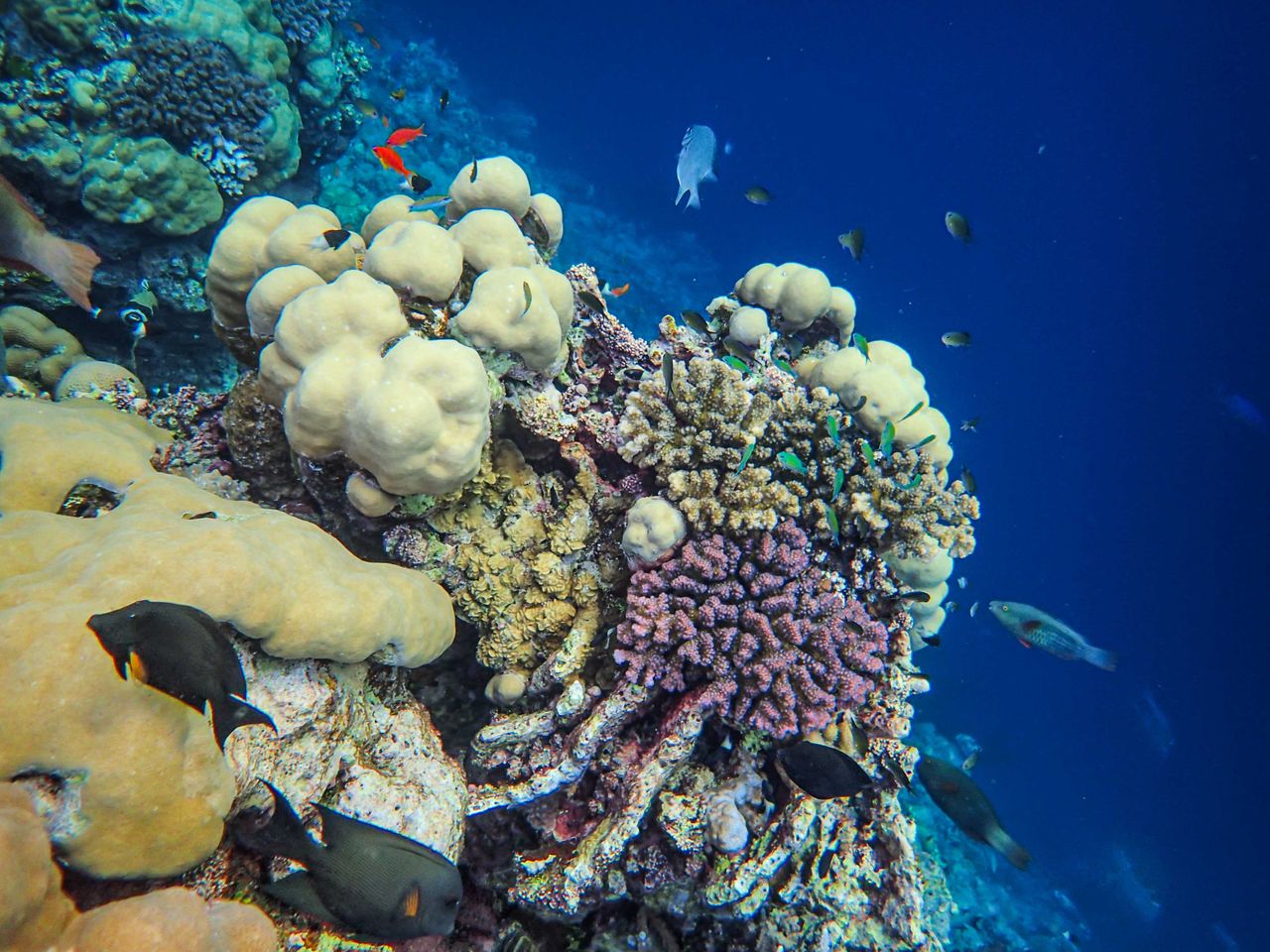
- •In Papua New Guinea, communities manage coral reefs by periodically closing areas to fishing, a practice that has been in place for years.
- •Western chimpanzee populations in West Africa are thriving in areas where local social norms discourage hunting.
- •The framework developed by the Thriving Oceans Research Hub is intended to help scientists and policymakers identify and replicate successful conservation conditions globally.
Researchers from the University of Sydney’s Thriving Oceans Research Hub have identified common characteristics that allow ecosystems to thrive despite global environmental pressures. By analyzing over 70 studies of successful conservation, the team developed a framework to help identify and replicate these 'bright spots' in nature. The findings, published in Nature Ecology & Evolution, suggest that resilience is often driven by the integration of local expertise and community-centered management.
By the numbers
Core Factors for Conservation Success
Lead author Dr. Bing Lin noted that while conservation is frequently framed as a narrative of decline, certain species and social-ecological systems perform better than expected. The study identified three recurring factors across diverse global sites: the valuation of local knowledge alongside scientific data, the central role of communities in decision-making, and the ability to adapt management strategies to specific local social and environmental conditions.
Global Examples of Resilience
The research highlights several diverse success stories. In Papua New Guinea, coastal villages maintain abundant marine life by using customary practices to periodically close reef areas to fishing, allowing ecosystems to recover. In West Africa, western chimpanzee populations persist where cultural traditions discourage hunting, while in Canada's Great Bear Rainforest, First Nations communities have integrated Indigenous stewardship into environmental governance. Additionally, the conservation of the shy albatross in Tasmania has succeeded through collaborative partnerships between scientists, policymakers, and wildlife managers.
A New Framework for Future Conservation
The study aims to move beyond celebrating isolated success stories by providing a consistent framework for comparing conservation outcomes. By establishing a 'common language' for these bright spots, the researchers hope to help governments and environmental organizations identify conditions that support resilience. Co-author Josh Cinner emphasized that these successes are not mere miracles but follow recognizable patterns that can be applied to protect both people and nature in other regions.
Advertisement
This article was independently rewritten by ManyPress editorial AI from reporting originally published by Phys.org.