A new study published in Menopause suggests that women who experience early menopause, particularly between ages 25 and 35, face a higher risk of developing high blood pressure later in life.
Key facts
- •The study was published online ahead of print on July 29 in the journal Menopause.
- •Researchers focused on women who experienced menopause before age 40, with the highest risk observed in those aged 25 to 35.
- •Estrogen helps preserve arterial flexibility and supports the production of nitric oxide for healthy blood flow.
- •The study used data from the UK Biobank, which tracks medical histories of volunteers in the United Kingdom.
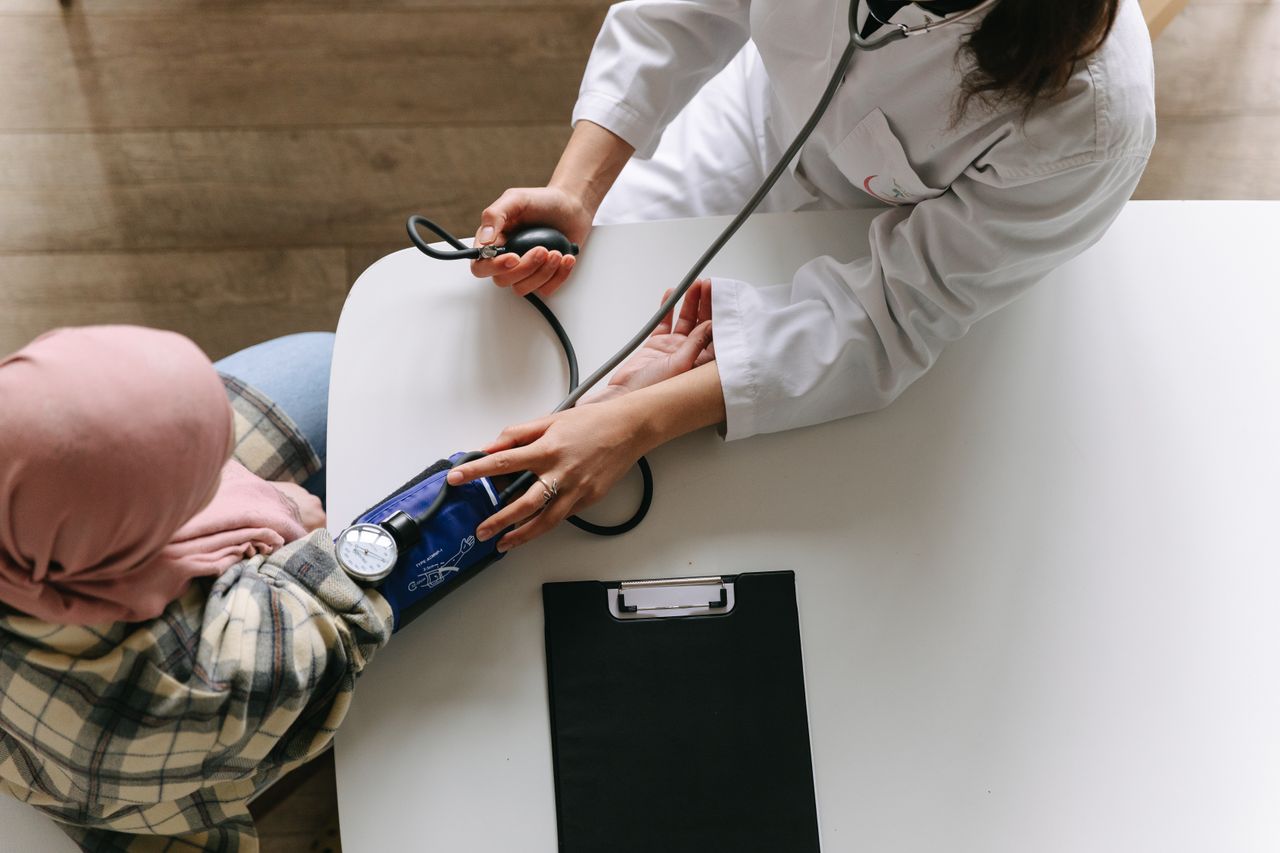
- •Experts recommend home blood pressure monitoring because blood pressure increases can often occur silently.
A study published July 29 in the journal Menopause found an association between early menopause and an increased risk of high blood pressure. Researchers analyzed data from the UK Biobank, tracking postmenopausal women over a decade to observe health developments. The study identified the highest risk among women who experienced menopause between the ages of 25 and 35.
By the numbers
Research Findings and Methodology
Researchers utilized the UK Biobank database to study postmenopausal women aged 40 and older who had no prior high blood pressure diagnosis. Participants were enrolled between 2006 and 2010 and monitored for over ten years. While surgical menopause initially appeared linked to higher blood pressure, this connection was not found after adjusting for other health and lifestyle factors.
The Role of Estrogen
Medical experts note that estrogen plays a vital role in cardiovascular health by supporting nitric oxide production, which helps blood vessels relax and dilate. When menopause occurs early, women lose these protective effects years or decades sooner than expected. This loss can lead to changes in body composition, weight gain, and worsened insulin sensitivity.
Management and Risk Reduction
Experts suggest that hormone replacement therapy may help counteract these cardiovascular risks. Additionally, healthcare providers recommend lifestyle modifications including regular exercise, a diet rich in protein, fruits, and fiber, and monitoring blood pressure at home. Maintaining adequate vitamin D levels and adhering to prescribed blood pressure or cholesterol medications are also advised.
Advertisement
This article was independently rewritten by ManyPress editorial AI from reporting originally published by Healthline.