A study of 30 practitioners found that intensive breathing exercises can reduce cerebral blood flow and alter brain network communication, mirroring some effects of psychedelic drugs.
Key facts
- •The study observed a 45% reduction in global gray-matter cerebral blood flow during intensive breathing.
- •Participants reported subjective experiences similar to those of LSD or psilocybin, including a sense of unity.
- •Changes in the brain's default mode network were more strongly associated with the intensity of the experience than blood flow reduction alone.
- •The research involved 30 healthy, experienced breathwork practitioners.
- •Experts suggest that future studies should include breathwork-naïve participants to verify potential therapeutic benefits.
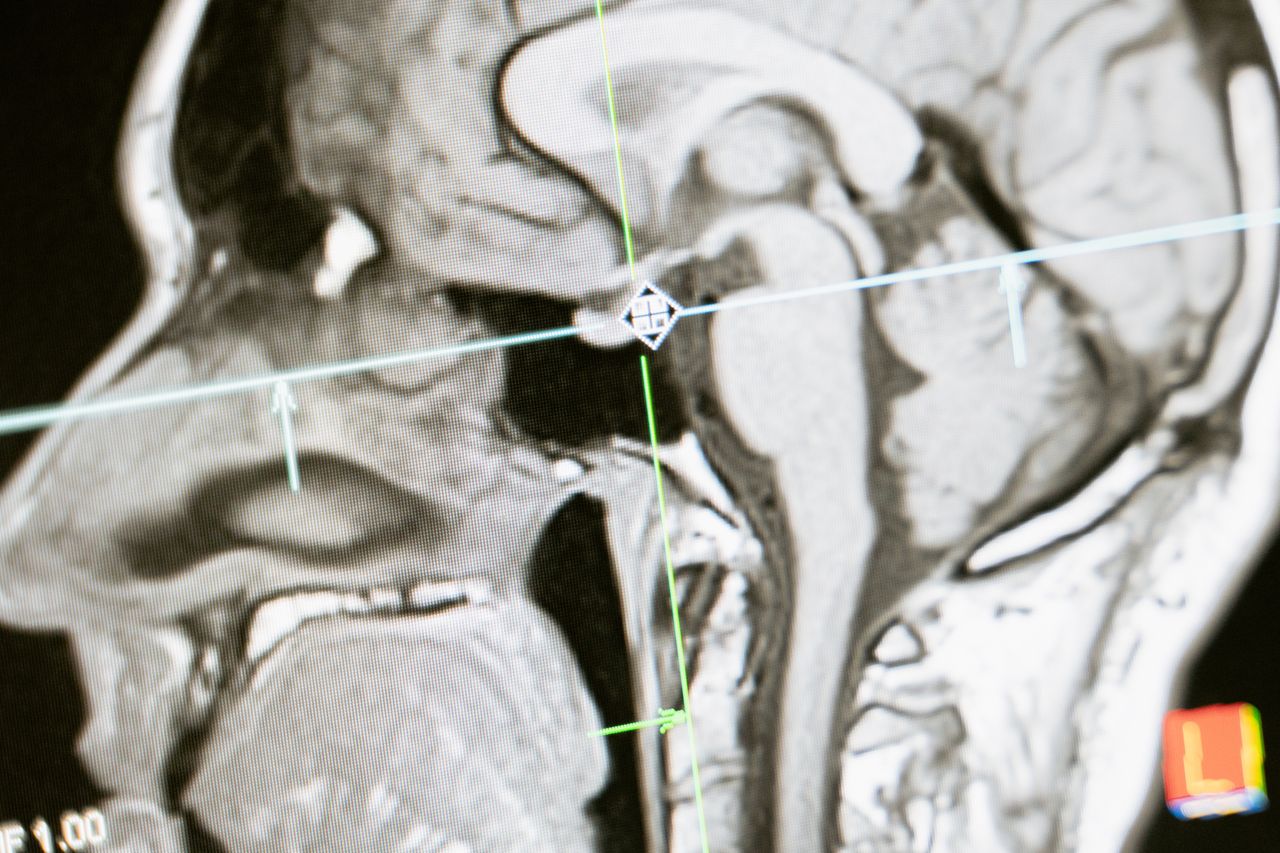
A new brain-imaging study presented at the ECNP Congress in Munich indicates that intensive breathing exercises can reduce blood flow to the brain by up to 45% and modify communication between brain networks. Participants in the study reported experiences similar to those induced by psychedelic drugs, including altered perception and a sense of unity, while undergoing MRI scans.
By the numbers
Brain Imaging and Physiological Findings
The study involved 30 healthy, experienced breathwork practitioners who performed high-ventilation exercises during MRI scanning. Researchers observed that global gray-matter cerebral blood flow decreased significantly, dropping from an average of 16.24 to 9.81 ml/100g/min. While the reduction in blood flow was substantial, researchers suggest the intensity of the altered states of consciousness is more closely linked to changes in communication within the brain's default mode network, which is responsible for self-reflection and self-related thought.
Subjective Experiences and Potential Implications
Participants described their experiences as a 'predominantly oceanic state,' characterized by a deep feeling of connection to the universe. These reports were compared to the effects of moderate to high doses of LSD or psilocybin, though with less pronounced visual effects. Researchers noted that breathwork is a nonpharmacological, inexpensive intervention that could serve as a tool for studying consciousness and potentially informing future mental health treatments.
Study Limitations and Expert Commentary
Lead researcher Dr. Christian Schmitz and co-coordinator Hana Adolphi emphasized that the findings are preliminary due to the small sample size. Independent experts, including Dr. Guy Fincham and Professor David Nutt, noted the study's value in bridging breathwork research with psychedelic science. However, they cautioned that because the study was uncontrolled and limited to experienced practitioners, further research using randomized controlled designs is necessary to determine broader applicability and clinical relevance.
Advertisement
This article was independently rewritten by ManyPress editorial AI from reporting originally published by Medical Xpress.