A study of 95,000 people links REM and deep sleep to lower disease risks, while experts warn that sleep-tracking anxiety may paradoxically disrupt rest.
Key facts
- •The study analyzed multi-year data from 95,000 participants in the UK Biobank database.
- •REM sleep was linked to a lower risk of 83 diseases, including dementia and Parkinson’s.
- •Higher amounts of deep sleep were associated with a lower risk of seven conditions, including depression and type 2 diabetes.
- •A 2024 Gallup poll found Americans average 6.5 hours of sleep per night.
- •Nearly 70% of Americans report that anxiety causes them to lose sleep, according to a 2024 American Academy of Sleep Medicine survey.
A study published in PLOS Medicine, utilizing data from over 95,000 participants in the UK Biobank, has identified a correlation between higher amounts of REM and deep sleep and a reduced risk of various health conditions. Researchers found that REM sleep is linked to a lower risk of 83 diseases, including dementia, Parkinson’s, and multiple sclerosis, while increased deep sleep is associated with a lower risk of seven conditions, such as depression and type 2 diabetes.
By the numbers
The Impact of Sleep Tracking
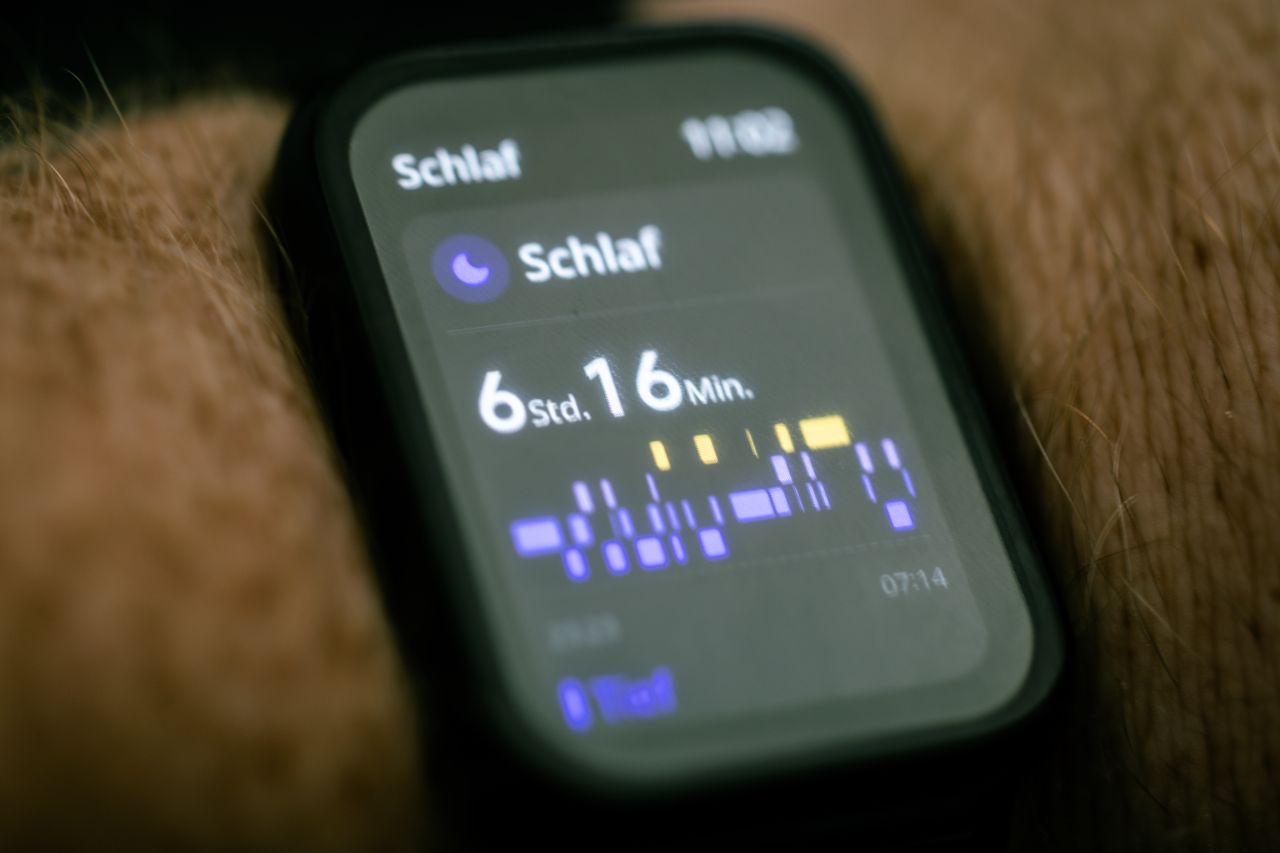
While sleep trackers provide detailed data on sleep stages and duration, researchers have identified a phenomenon known as orthosomnia. This occurs when the anxiety surrounding the analysis and perfection of sleep scores leads to disrupted rest and, in severe cases, insomnia. Healthline Editor-in-Chief Robin Hough notes that many individuals, including himself, use wearable devices to monitor metrics like heart rate variability and sleep latency, which can contribute to stress rather than improved sleep quality.
Sleep Trends and Anxiety
Data from a 2024 Gallup poll indicates that Americans average 6.5 hours of sleep per night, falling below the recommended 7-to-9-hour range. Furthermore, a 2024 survey by the American Academy of Sleep Medicine found that nearly 70% of Americans report that anxiety disrupts their sleep. Experts suggest that the pressure to meet sleep targets, combined with constant exposure to health-related headlines, may exacerbate stress for those already struggling with sleep consistency.
Advertisement
This article was independently rewritten by ManyPress editorial AI from reporting originally published by Healthline.