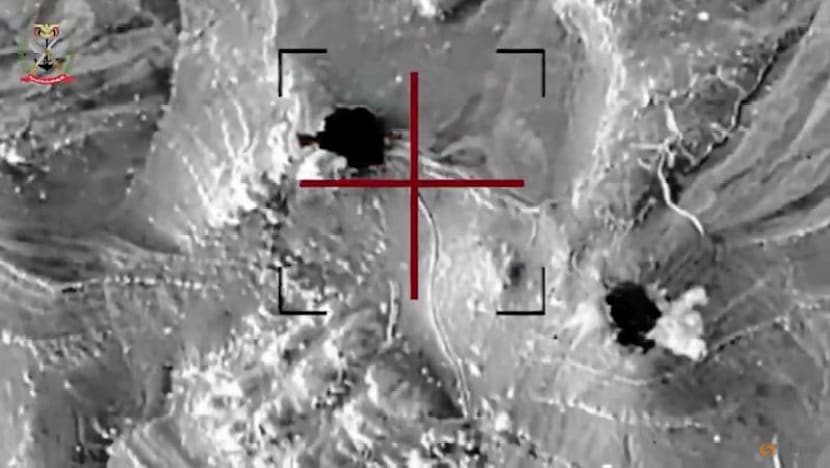
Sudanese armed forces are reporting battlefield gains and rising defections within the Rapid Support Forces, as General Abdel Fattah al-Burhan pursues a dual strategy of military and political action.

Key facts
- •The army retook the towns of Bara, Jabra al-Sheikh, and Umm Sayala in North Kordofan in late July.
- •Control of the national Exports Road has allowed the army to disrupt RSF supply lines.
- •On August 20, the army announced that 318 people, including four officers, defected from the RSF.
- •General al-Burhan announced a political dialogue initiative on August 15 that includes temporary immunity for participants.
- •The government maintains that the RSF must withdraw from cities before formal negotiations can begin.
Sudan's military is reporting tactical gains in North Kordofan, including the capture of key supply routes, while the paramilitary Rapid Support Forces (RSF) faces a wave of defections. Army chief General Abdel Fattah al-Burhan is leveraging these developments to initiate a political process, though he maintains that the military campaign will continue. The shifts suggest that battlefield pressure may be influencing the political balance in the ongoing conflict.
By the numbers
Military Gains and Supply Lines
In late July, the Sudanese Armed Forces (SAF) announced the recapture of Bara, Jabra al-Sheikh, and Umm Sayala in North Kordofan. These gains secured the national Exports Road, a critical route connecting Khartoum to el-Obeid. By controlling this path, the army has increased pressure on RSF supply lines across the Kordofan, Darfur, and Blue Nile regions.
Rising Defections Within the RSF
The army reported a significant increase in defections from the RSF in August. On August 20, the military stated that 318 individuals, including four officers, joined its ranks with 50 combat vehicles. Additional reports indicate that 270 people, including 21 field commanders, and a separate group of 45 fighters and commanders from the Bara area have surrendered to the army. While these defections suggest internal pressure, analysts note they do not yet indicate a total collapse of the organization.
Political Strategy and Negotiations
General al-Burhan has launched a political initiative offering temporary immunity to participants in a national dialogue managed by an independent mechanism. He insists that any path to peace requires the RSF to vacate cities and gather in designated areas. Malik Agar, deputy chairman of the Transitional Sovereignty Council, stated that while the government prefers a military resolution, it remains open to negotiations if the RSF withdraws from residential areas.
Timeline
- Late JulyThe army announced the recapture of Bara, Jabra al-Sheikh, and Umm Sayala.
- August 15General al-Burhan announced a new political dialogue initiative.
- August 20The army reported that 318 people had defected from the RSF.
- August 21Al-Burhan stated the military campaign would continue until the rebellion is ended.
- August 22Malik Agar stated the government's current priority is a military resolution.
Advertisement
This article was independently rewritten by ManyPress editorial AI from reporting originally published by Al Jazeera.