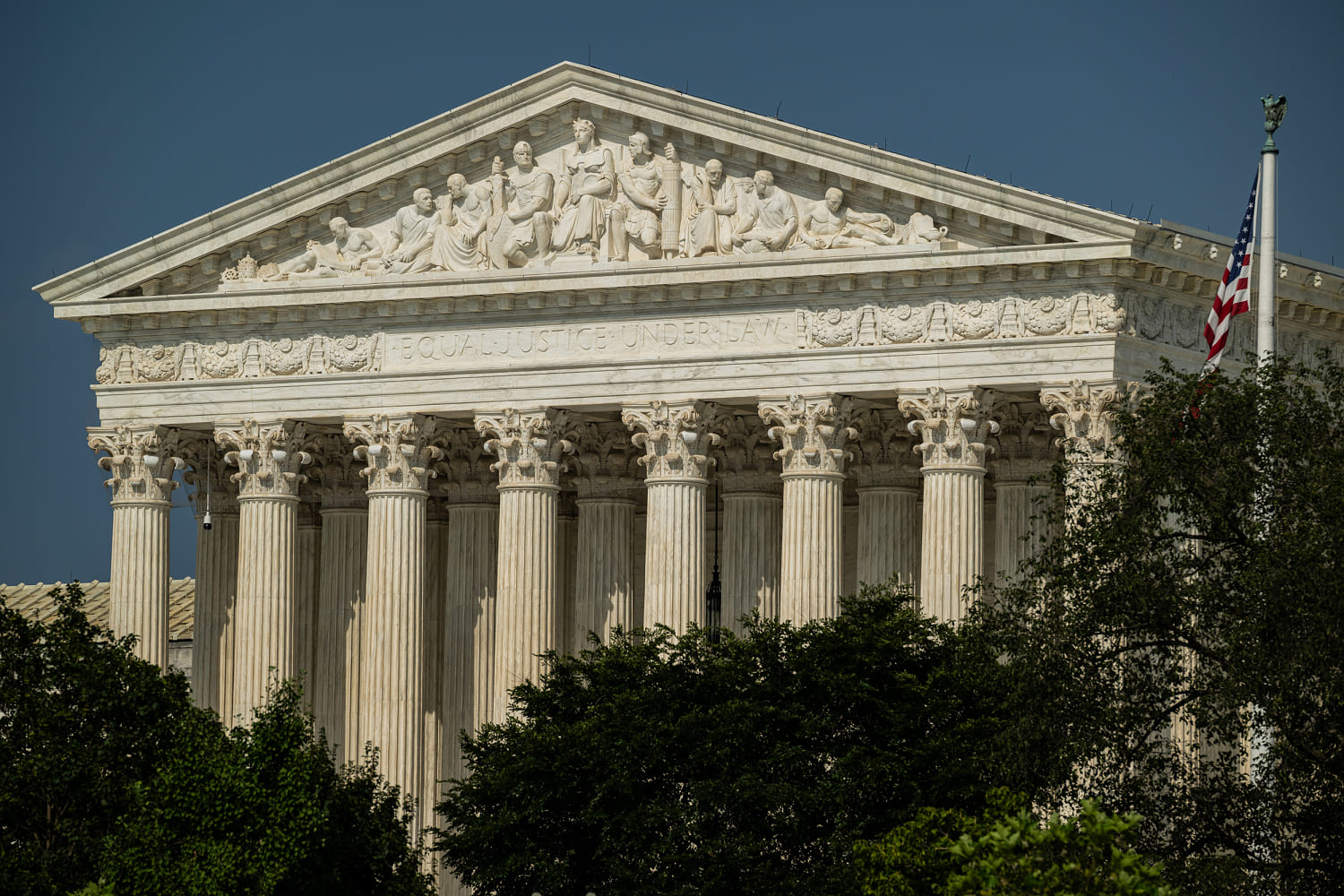
The Supreme Court has temporarily paused a lower court ruling, allowing the government to continue deporting migrants to countries where they have no prior connections.
Key facts
- •The Supreme Court will hear oral arguments regarding the third-country deportation policy in December.
- •The policy allows the government to deport migrants to countries where they have no connections without prior notice of the destination.
- •Approximately 15,000 people were deported to third countries in 2025.
- •Justices Sotomayor, Kagan, and Jackson dissented from the emergency order.
- •The Department of Homeland Security is offering $3,000 to individuals who choose to self-deport.
The U.S. Supreme Court on Tuesday granted an emergency request from the Trump administration, allowing the government to resume deporting certain migrants to third countries where they have no ties. The justices paused a lower court order that had required immigration authorities to provide migrants with notice and an opportunity to challenge their removal based on safety risks. The court will hear oral arguments on the policy in December.
By the numbers
Legal Background and Court Action
The Supreme Court's unsigned order stays a February ruling from a federal district judge, which was largely upheld by the 1st U.S. Circuit Court of Appeals. That lower court decision had mandated that migrants receive due process to argue they might face torture or persecution if sent to a third country. Justices Sonia Sotomayor, Elena Kagan, and Ketanji Brown Jackson dissented from the majority's decision to grant the government's request. The Supreme Court has requested that both the Justice Department and the plaintiffs address whether the policy violates federal immigration law, the Constitution's Due Process Clause, or existing regulations. The court is also considering whether the lower court had the jurisdiction to issue a broad injunction against the policy. A final ruling is expected by the summer of 2027.
Government Policy and Implementation
The policy, which has been in effect since March 2025, allows U.S. officials to send deportees to third countries without prior notification of the destination, provided those nations offer assurances that they will not persecute or torture the migrants. According to the Migration Policy Institute, approximately 15,000 people were deported to third countries in 2025, with Mexico receiving the majority. James Percival, general counsel for the Department of Homeland Security, stated that the policy is necessary for the efficient removal of individuals, including those with criminal records. Following the court's decision, Percival encouraged individuals in the U.S. illegally to accept a $3,000 payment and a flight home.
Timeline
- March 2025The Trump administration implemented the policy allowing deportations to third countries.
- February 2026A federal district judge ruled that migrants must be given due process before being removed to third countries.
- TuesdayThe Supreme Court granted an emergency request to pause the lower court's ruling and resume the deportations.
- December 2026The Supreme Court is scheduled to hear oral arguments on the policy.
- Summer 2027A definitive ruling from the Supreme Court is expected.
Advertisement
This article was independently rewritten by ManyPress editorial AI from reporting originally published by NBC Politics, The Japan Times, CBS News Politics.