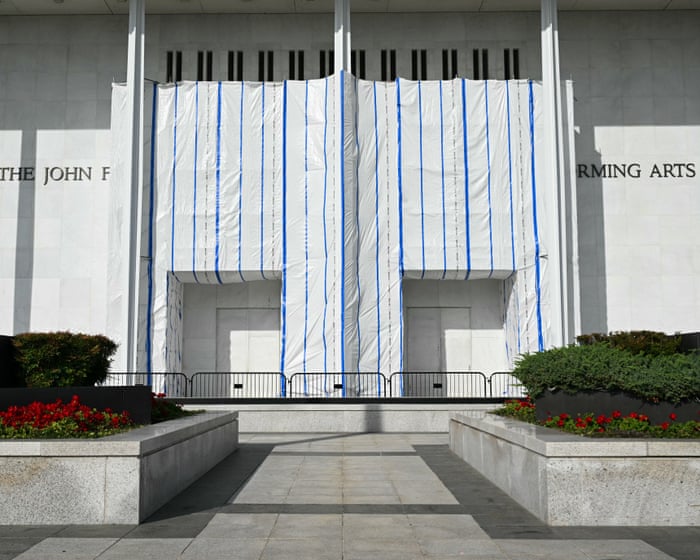
The Supreme Court has declined to lift a lower court's injunction against new mail-in voting restrictions, allowing existing state processes to remain in place for the midterm elections.
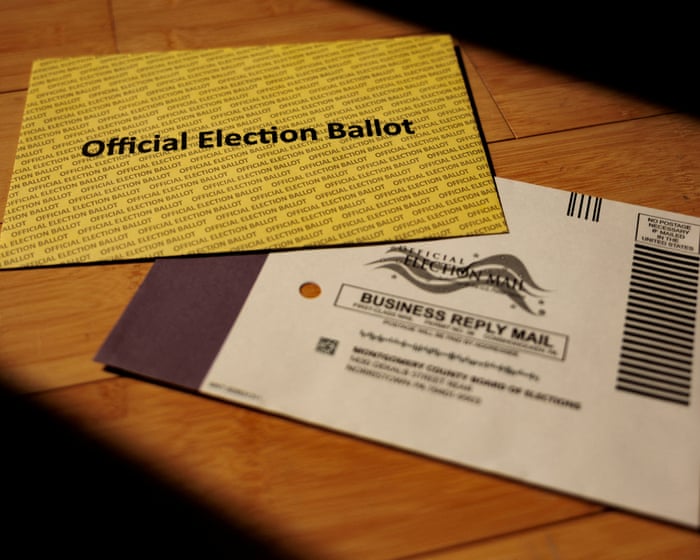
Key facts
- •The Supreme Court's unsigned order keeps a lower court's injunction against the mail ballot restrictions in place.
- •Nearly one-third of the U.S. electorate utilizes mail-in voting for elections.
- •Justice Brett Kavanaugh concurred with the majority, citing the proximity to election day as a reason to deny the stay.
- •Justices Samuel Alito and Clarence Thomas dissented from the court's decision.
- •This was the third time the Trump administration appealed its mail-in voting plan to the Supreme Court's emergency docket.
The U.S. Supreme Court issued an unsigned order on Monday rejecting the Trump administration's request to implement new mail ballot restrictions ahead of the midterm elections. The decision leaves in place a lower court's preliminary injunction that had previously blocked the administration's plan. Voting for the upcoming congressional contests is already underway across the country.
Court Reasoning and Dissents
In its one-paragraph order, the court stated that the government was unlikely to succeed on the merits of its challenge and that equitable factors did not support granting emergency relief. Justice Brett Kavanaugh filed a concurrence, noting that while he believed the government had a fair prospect of success on the merits, implementing the changes so close to election day would be arbitrary and capricious. Justice Samuel Alito dissented, joined by Justice Clarence Thomas. Alito argued that the plaintiff states should not benefit from the timing of the ruling, asserting that the states and the courts hearing their claims were responsible for the delays that led to the current situation.
Context and Reaction
This legal challenge marks the third time the Trump administration has brought its mail-in voting plan to the Supreme Court's emergency docket. The administration's proposed rules were issued approximately 10 days prior to the court's decision. Kristen Clarke, NAACP general counsel, described the administration's effort as an attempt to alter the national mail-in voting system shortly before the election. She stated that the court's decision prevents potential chaos in the electoral system and maintains the status quo for voters.
Advertisement
This article was independently rewritten by ManyPress editorial AI from reporting originally published by Guardian US Politics, The Hill.