A new study shows that rising temperatures and reduced water availability are weakening protective forests at high altitudes, increasing risks of natural hazards like avalanches.
Key facts
- •The study analyzed 891 to 1,543 forest stands across Switzerland between 1983 and 2022.
- •Declining stands in the colline belt increased from 11.1% in 1983 to 30.4% by 2022.
- •The historical link between higher altitude and reduced drought stress was no longer observed after 2017.
- •Droughts are causing a decline in large, dominant trees, which are essential for protecting valleys from rockfalls and floods.
- •Researchers are currently conducting follow-up studies to provide actionable data for forest management.
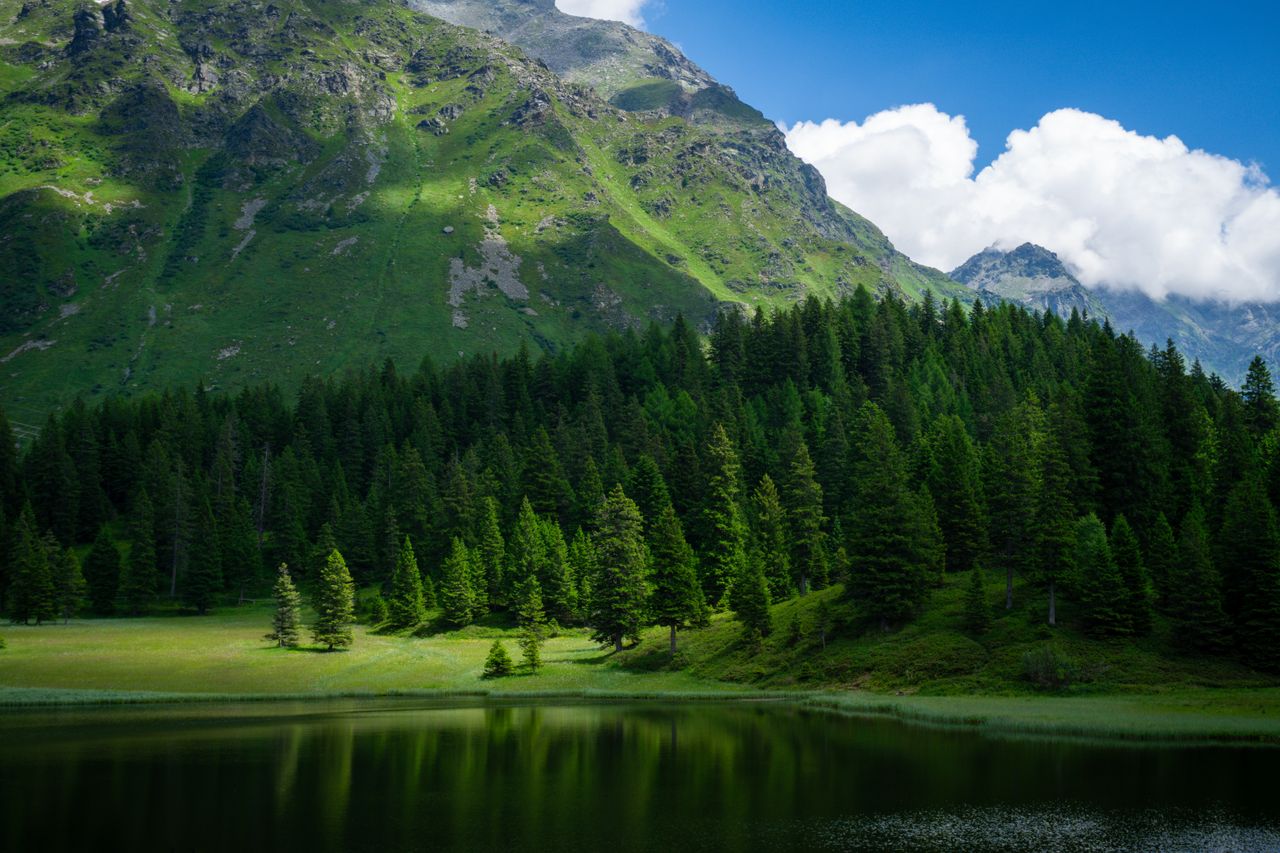
Swiss forests, which serve as a critical defense against natural hazards like avalanches and landslides, are reaching a tipping point due to global warming. Research published in Frontiers in Forests and Global Change indicates that summer droughts are no longer confined to lower elevations, with high-altitude forests now showing significant signs of decline.
By the numbers
Shift in Drought Impact
Historically, subalpine forests located above 1,200 meters were shielded from severe drought by cold temperatures and consistent snow cover. However, recent decades have seen rapid warming at these elevations, alongside decreased precipitation and glacial retreat, which have reduced soil moisture. Researchers found that the traditional protective buffer provided by high altitude has diminished, with drought stress now affecting trees even at 2,200 meters.
Study Findings and Forest Decline
Analyzing data from the Swiss national forest inventory between 1983 and 2022, researchers observed that the percentage of declining forest stands increased across all elevation belts. The colline belt experienced the most significant rise in declining stands, jumping from 11.1% to 30.4% over the study period. In subalpine regions, the percentage of declining stands rose to 18.8% in recent years after a period of relative stability.
Impact on Forest Composition
Droughts are selectively killing larger, dominant trees, leading to a decrease in overall tree density. While current stands may contain more resilient species, the frequency of consecutive droughts poses a continued threat. Researchers emphasize the need for adaptive forestry strategies, such as promoting diverse and multi-layered stands, to maintain the protective function of these forests against natural hazards.
Timeline
- 1983-2022Researchers analyzed forest inventory records to track drought impacts on Swiss protective forests.
- Mid-1990s to early 2000sThe percentage of declining stands in subalpine belts reached its lowest values.
- 2017The historical correlation between higher altitude and lower drought stress ceased to be visible.
Advertisement
This article was independently rewritten by ManyPress editorial AI from reporting originally published by Phys.org.