While Mercury is the closest planet to the sun, various asteroids, comets, and spacecraft have traveled significantly nearer to the star.
Key facts
- •Mercury reaches a perihelion of 29 million miles from the sun.
- •The asteroid 2024 YL3 is the current record holder for Mercury-crossers at 6.4 million miles.
- •The Parker Solar Probe reached a perihelion of 4.5 million miles during its primary mission.
- •The Great Southern Comet of 1887 holds the record for the closest observed object, at 446,187 miles.
- •A sundiving comet would require a perihelion of less than 432,244 miles to strike the sun's surface.
While Mercury orbits within 29 million miles of the sun, several natural and artificial objects have reached much closer distances. Astronomers and researchers have identified various classes of celestial bodies and man-made probes that approach the sun's center, with some comets setting records for proximity before either escaping or being destroyed.
By the numbers
Mercury-Crossing Asteroids and Vulcanoids
Mercury-crossing asteroids possess highly eccentric orbits that bring them closer to the sun than the planet itself. The current record holder for this group is 2024 YL3, a 463-foot-long rock that reaches a perihelion of 6.4 million miles. Scientists have also hypothesized the existence of 'Vulcanoids,' a group of asteroids that would theoretically maintain circular orbits within Mercury's path. However, these objects remain unproven, and a 2013 study failed to find evidence of their existence.
Spacecraft and Sungrazing Comets
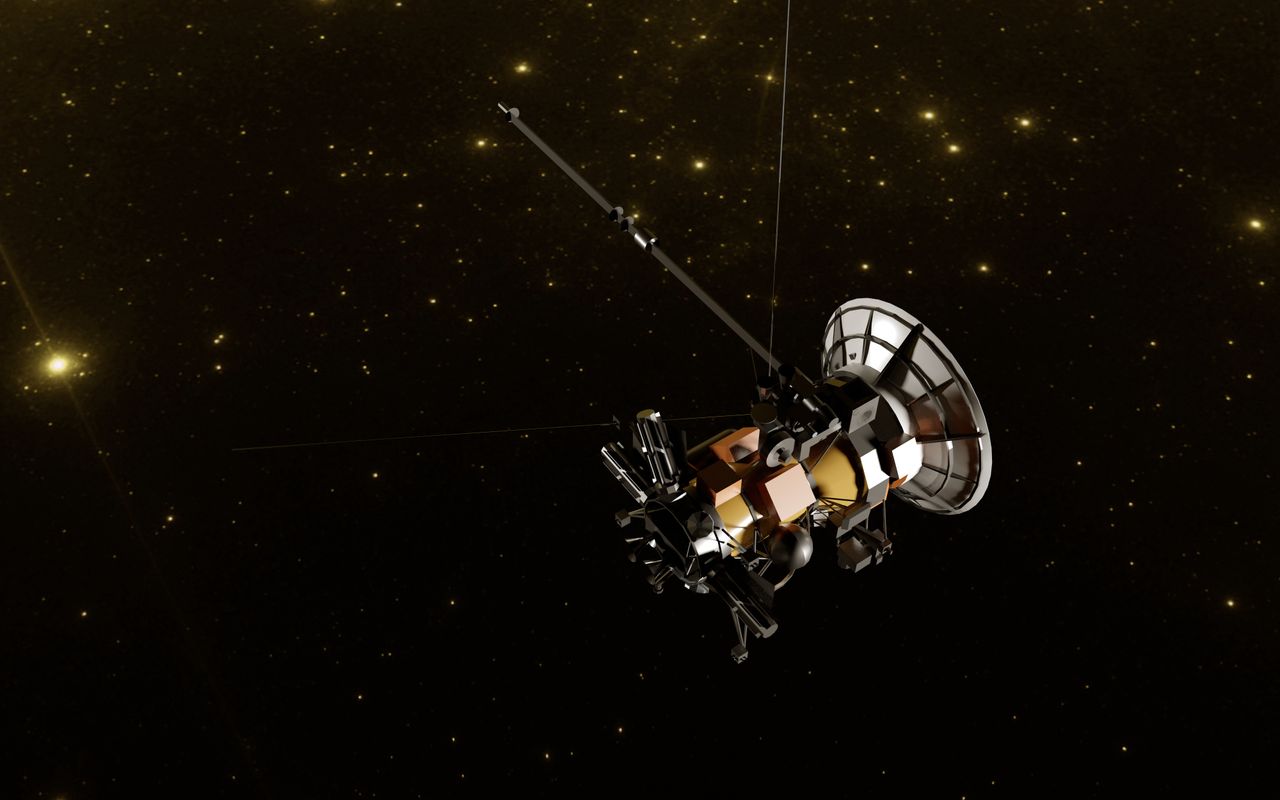
NASA's Parker Solar Probe, launched in 2018, has achieved significant proximity to the sun by flying through its outer atmosphere, or corona. During its primary mission, the probe reached a perihelion of 4.5 million miles, protected by a carbon foam shield. Even closer are 'sungrazing' comets, which come within 1.49 million miles of the sun's center. The Great Southern Comet of 1887 remains the closest observed object to survive such a journey, passing within 446,187 miles of the sun.
Sundiving Comets
The most extreme category of objects are 'sundiving' or 'sunstriking' comets, which are expected to plunge directly into the sun's photosphere. To qualify as a sundiver, a comet would need a perihelion of less than 432,244 miles. While no such event has been detected to date, these objects would be destroyed upon impact, leaving no possibility for a second pass.
Advertisement
This article was independently rewritten by ManyPress editorial AI from reporting originally published by Live Science.