Twenty-five years after 9/11, experts warn that terrorists are increasingly leveraging emerging technologies like AI, drones, and the internet to plan and execute potential attacks.
Key facts
- •The 9/11 Commission Report cited a failure of imagination regarding the use of passenger jets as weapons.
- •Hezbollah first launched explosive-laden drones into Israeli airspace in 2006.
- •Generative AI is currently being used by terrorist groups for propaganda, bomb-making instructions, and tactical red teaming.
- •The internet has democratized access to information, allowing individuals to plan attacks without traveling to conflict zones.
- •Modern counterterrorism efforts have successfully used biometrics and data integration to restrict the movement of foreign fighters.
The 9/11 Commission Report famously identified a failure of imagination regarding the methods used in the 2001 attacks. Today, as the 25th anniversary of 9/11 approaches in 2026, the counterterrorism community faces a new challenge: anticipating how violent extremists might combine modern technologies like artificial intelligence, unmanned aerial systems, and encrypted communications to conduct novel attacks.
Technological Advancements in Terrorism
While airports are no longer the soft targets they once were, terrorists now have access to technologies that were either non-existent or in their infancy 25 years ago. The internet remains the primary facilitator, allowing for widespread propaganda, radicalization, and recruitment. Additionally, the commercialization of tools such as 3D printing, virtual currencies, and AI has lowered the barrier to entry for lone actors and organizations, enabling them to master capabilities previously reserved for states.
The Role of Drones and AI
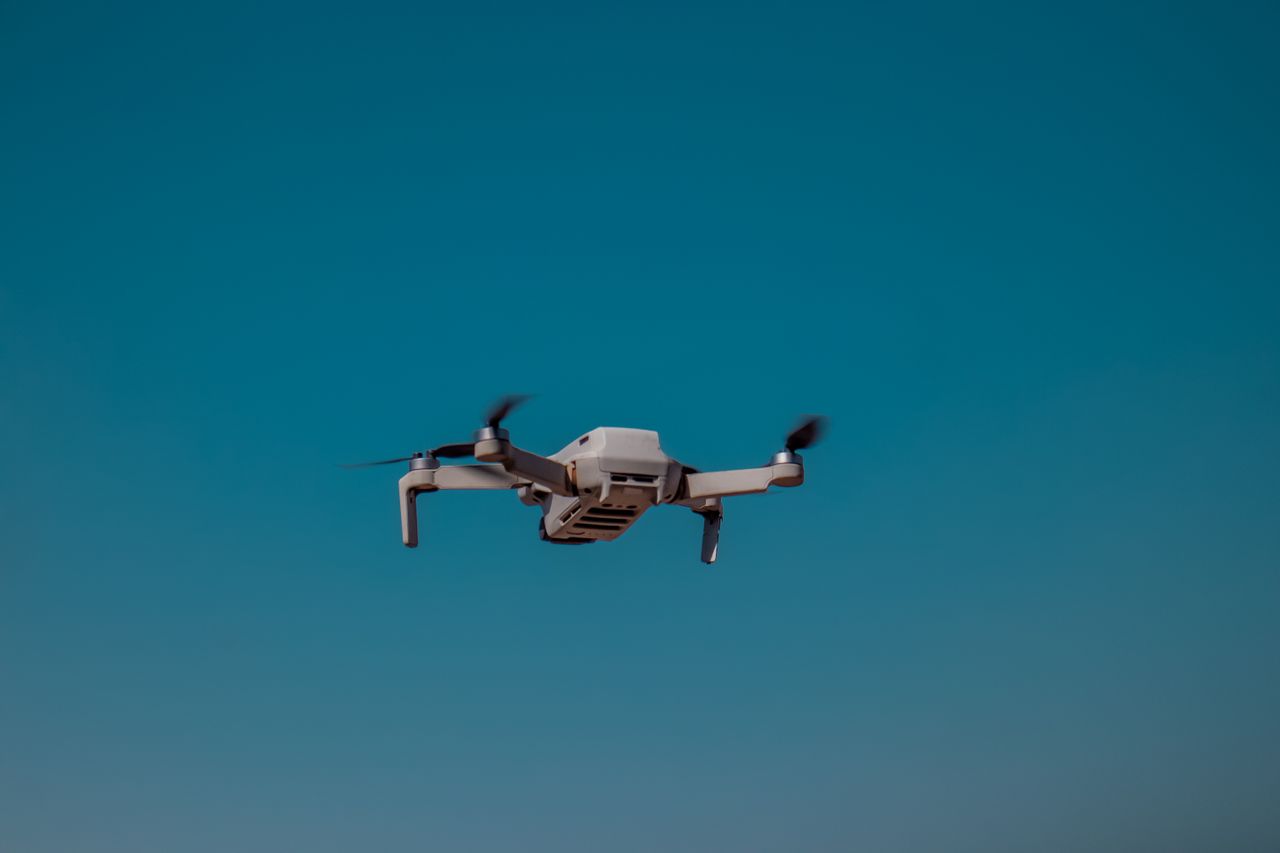
Terrorist groups have been experimenting with weaponized drones for two decades, with Hezbollah launching explosive-laden drones into Israeli airspace as early as 2006. While no spectacular drone attack has yet occurred in the West, groups like Hamas, the Houthis, and the Islamic State have integrated them into their operations. Generative AI is also being utilized for propaganda, operational security, and tactical planning, such as simulating attack scenarios or providing instructions for building explosives.
Shifting Counterterrorism Landscapes
The nature of the threat has shifted from militants traveling to training camps to individuals radicalized remotely via the internet. While counterterrorism measures—such as biometric screening, forensic innovations, and data integration—have successfully restricted terrorist mobility, the challenge remains in disrupting the digital ecosystems that facilitate recruitment and planning. Experts emphasize that the current threat involves the convergence of multiple technologies, such as using AI for target selection alongside drone-based delivery systems.
Timeline
- 1968-1972There were more than 130 attempted hijackings in the United States.
- 1989Brian Michael Jenkins warned about the possibility of terrorists crashing hijacked airliners into cities.
- Sept. 11, 2001Al Qaeda terrorist attacks killed nearly 3,000 people.
- 2006Hezbollah launched multiple drones loaded with explosives into Israeli airspace.
- July 4, 2024The Israeli army shot down a Hezbollah drone near the border with Lebanon.
Advertisement
This article was independently rewritten by ManyPress editorial AI from reporting originally published by Foreign Policy.