Five nations bordering the Caspian Sea operate under a unique legal framework that governs navigation, security, and resource rights rather than fixed ownership shares.
Key facts
- •The 2018 Convention on the Legal Status of the Caspian Sea does not divide the sea into fixed national ownership percentages.
- •Seabed boundaries, which dictate oil and gas rights, are negotiated through separate bilateral agreements between neighboring states.
- •Iran's Sardar-e Jangal field is estimated to hold 2 billion barrels of oil, with roughly 500 million barrels potentially recoverable.
- •The 2018 convention bans the presence of military forces from countries outside the Caspian region.
- •Iran is currently the only signatory that has not finalized parliamentary ratification of the 2018 convention.
The Caspian Sea is bordered by Iran, Russia, Azerbaijan, Kazakhstan, and Turkmenistan, but it is not divided into fixed national shares. In 2018, these five nations signed the Convention on the Legal Status of the Caspian Sea in Aktau, Kazakhstan, to establish a special legal regime. This agreement defines territorial waters and fishing zones while leaving other areas open for common navigation.
By the numbers
Legal Framework and Security
The 2018 convention established territorial waters of up to 15 nautical miles and an additional 10-nautical-mile exclusive fishing zone for each country. It also prohibits the presence of armed forces from non-bordering states and prevents coastal nations from allowing their territory to be used for military action against neighbors. While Iran has not yet completed parliamentary ratification of the convention, it remains a signatory.
Energy Resources and Development
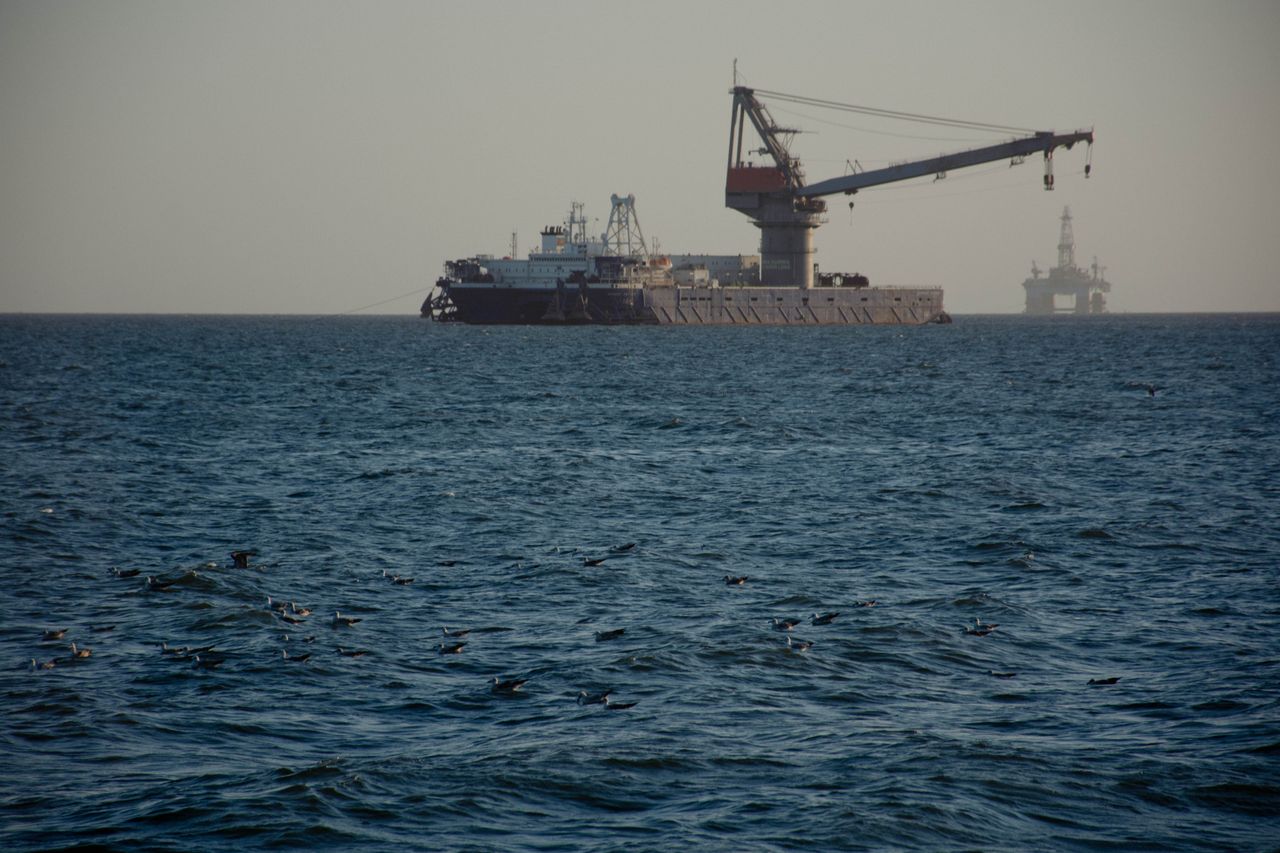
Energy extraction remains a primary focus for the bordering nations. While Azerbaijan, Kazakhstan, and Turkmenistan have developed significant offshore oil and gas, Iran's development has been slower. Iran's Sardar-e Jangal discovery, found in 2012, contains estimated reserves of 2 billion barrels of oil, though it has not entered commercial production. Development in the southern Caspian is complicated by deep waters, reaching approximately 700 meters, and the impact of international sanctions on accessing necessary technology and financing.
Timeline
- 1921The Russo-Persian Treaty of Friendship was signed to restore Iranian navigation rights.
- 1940A treaty was signed to further regulate trade and navigation between Iran and the Soviet Union.
- 1991The Soviet Union collapsed, changing the Caspian's legal status from a bilateral to a five-country issue.
- 2012Iran discovered the Sardar-e Jangal oil and gas field.
- 2018The five Caspian nations signed the Convention on the Legal Status of the Caspian Sea in Aktau.
Advertisement
This article was independently rewritten by ManyPress editorial AI from reporting originally published by Deutsche Welle Business.