The ringer T-shirt, characterized by contrast-colored collars and sleeve ends, is gaining popularity across various fashion brands this summer.
Key facts
- •The ringer T-shirt features contrast-colored fabric on the collar and the ends of the short sleeves.
- •Luxurynsight predicted an 11% increase in popularity for the garment among men over a 12-month period.
- •The design has been adopted by brands including Ganni, Hush, Coach, and Marks & Spencer.
- •Historical figures such as John Lennon and Goldie Hawn were known to wear ringer T-shirts in the 1970s.
- •The garment originated in the 1950s as sportswear for American schoolchildren.
The ringer T-shirt is experiencing a rise in popularity this summer, appearing in collections from high-street retailers like Marks & Spencer and Levi’s to luxury labels such as Versace and Miu Miu. The garment, defined by its contrast-colored collar and sleeve cuffs, is being noted by analysts and designers as a trend that blends vintage aesthetics with modern consumer preferences.
By the numbers
Market Trends and Analysis
Frida Tordhag, a fashion analyst at Luxurynsight, notes that the ringer T-shirt aligns with broader shifts in consumer behavior, including interest in vintage aesthetics and color-blocking. Using AI to track social media trends, the firm predicted that the garment's popularity would increase by 9% among women aged 16 to 25 and by 11% among men over the next 12 months. Brands such as Levi’s and M&S have already seen success with the design, reporting that their World Cup-themed ringer T-shirts have sold out.
Historical Context and Cultural Appeal
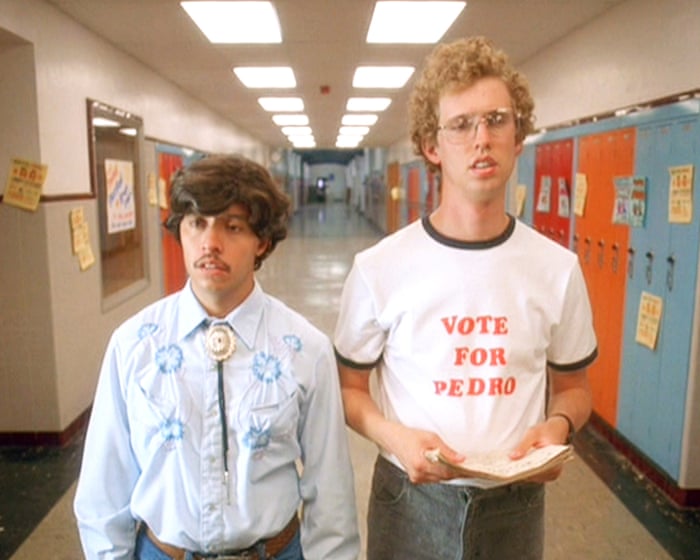
Fashion historian Emma McClendon traces the origins of the ringer T-shirt to the 1950s, when it was initially worn by schoolchildren in the United States for sports. Unlike standard T-shirts of that era, which were often viewed as undergarments, the ringer style was designed to be visible. Over the decades, the shirt has been associated with various subcultures, including 1970s rock’n’roll, and has appeared in pop culture staples like the 2004 film Napoleon Dynamite. Experts suggest the garment's enduring appeal lies in its combination of comfort and nostalgia. Designers like Ditte Reffstrup of Ganni describe the item as familiar and comforting, while McClendon notes that in times of economic and political uncertainty, consumers often gravitate toward items that evoke memories of youth and summer.
Advertisement
This article was independently rewritten by ManyPress editorial AI from reporting originally published by The Guardian Fashion.