Professional athletes across various sports reveal the techniques, gadgets, and habits they use to ensure recovery and rest despite demanding travel and competition schedules.
Key facts
- •Katarina Johnson-Thompson uses a satin sleep mask and a weighted blanket to improve her rest.
- •Adam Peaty monitors his sleep cycles and biomarkers, including testosterone and magnesium levels, with the help of a sports science team.
- •England defender Ezri Konsa focuses on preparation and consistency to manage the adrenaline following late-night football matches.
- •Weightlifter Emily Campbell uses a mattress with a cooling layer to regulate her temperature during sleep.
- •Rugby player Archie Pollock uses a collagen shot and a personal herb garden to facilitate his pre-sleep routine.
- •Cricketer Amy Jones uses earplugs and meditation apps to cope with noisy hotel environments and post-match adrenaline.
Top-tier athletes, including heptathlete Katarina Johnson-Thompson and swimmer Adam Peaty, rely on specific sleep hygiene practices to maintain performance. From using tracking devices and specialized bedding to managing pre-competition stress, these competitors prioritize deep rest to recover from intense physical training and travel. Many athletes emphasize that consistency and quality, rather than just the number of hours spent in bed, are essential for their professional success.
Managing Competition Stress and Travel
Athletes often face challenges when traveling for international events, where hotel environments and jet lag can disrupt sleep. Katarina Johnson-Thompson notes that the Olympic village is particularly difficult due to thin walls and uncomfortable beds. To manage pre-competition anxiety, she uses specific mental techniques, such as scheduling dedicated time to worry about upcoming events rather than ruminating before bed. Similarly, cricketer Amy Jones uses meditation apps to help switch off after late-night T20 matches that leave her full of adrenaline.
Tools and Environmental Adjustments
Many athletes utilize technology and physical aids to optimize their sleep environment. Adam Peaty uses an eye mask, earplugs, and a specific arrangement of three firm pillows to support his posture and alignment. Other common practices include using tracking devices like Whoop bands or Apple Watches to monitor sleep cycles, and investing in high-quality mattresses. Some athletes, such as rugby player Archie Pollock, maintain small routines like drinking herbal tea or reading a book to signal to their bodies that it is time to rest.
Nutrition and Recovery
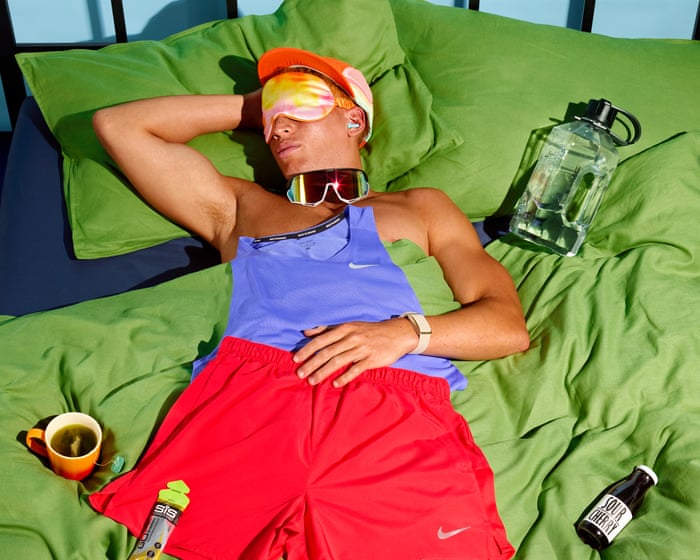
Dietary choices play a significant role in the sleep quality of these athletes. Several competitors avoid eating heavy meals close to bedtime, while others incorporate specific supplements or foods, such as kiwi fruit, sour cherry juice, or protein shakes, to aid in recovery and relaxation. Weightlifter Emily Campbell emphasizes the importance of proper fueling throughout the day, noting that going to bed hungry can negatively impact both training and sleep.
Advertisement
This article was independently rewritten by ManyPress editorial AI from reporting originally published by Guardian Tennis.