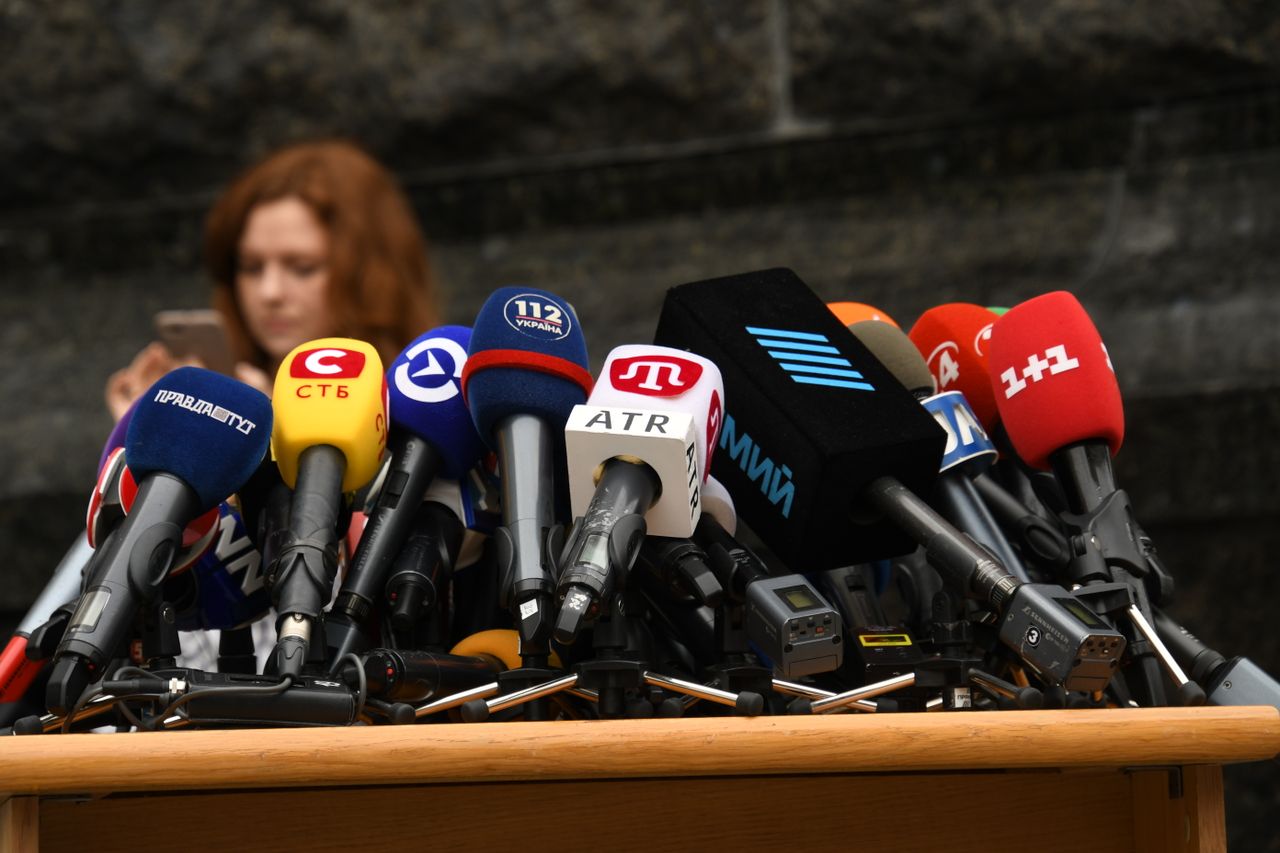
Trita Parsi, executive vice-president of the Quincy Institute, discusses the potential outcomes of the latest US economic sanctions targeting Iran.
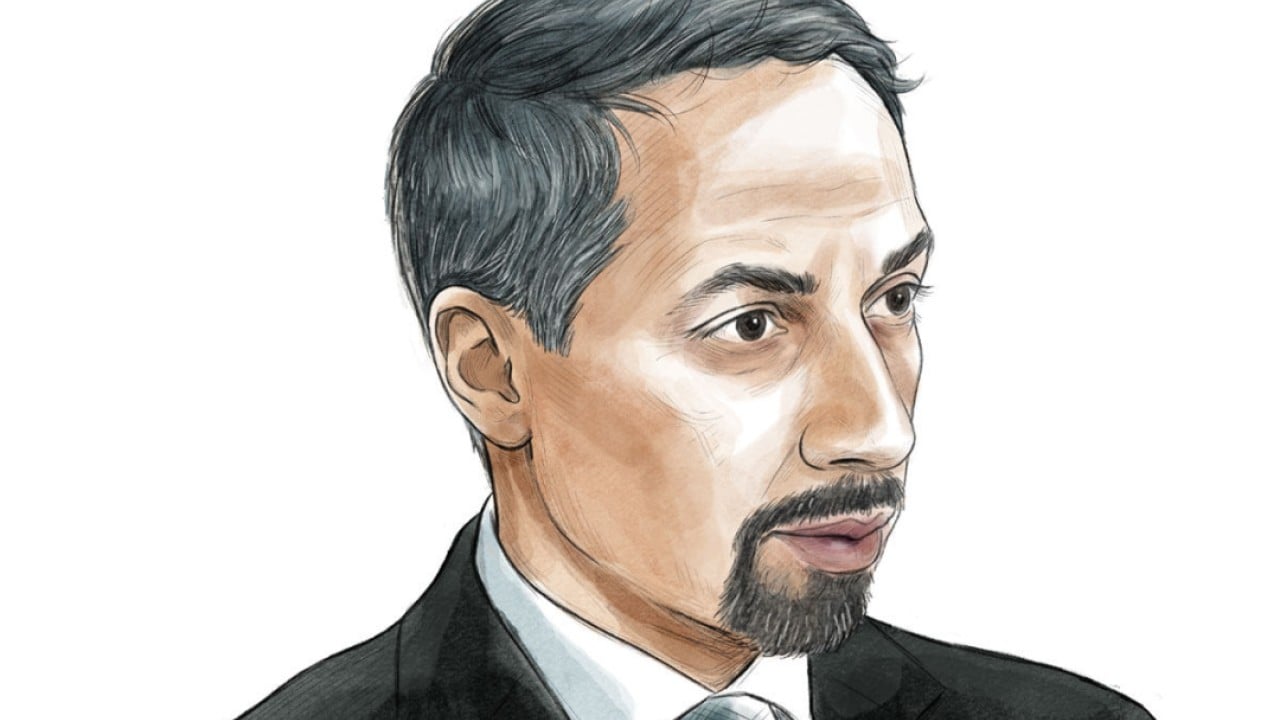
Key facts
- •Trita Parsi is the co-founder and executive vice-president of the Washington-based Quincy Institute.
- •Parsi specializes in US-Iranian relations and Middle Eastern geopolitics.
- •The new sanctions are being interpreted by Tehran as a demand for surrender due to a lack of specific requirements from US Treasury Secretary Scott Bessent.
- •Parsi states that Iran has historically shown a greater fear of capitulation than of escalation.
Trita Parsi, an expert on US-Iranian relations and executive vice-president of the Quincy Institute, suggests that the latest US economic sanctions against Iran are likely to trigger a new cycle of escalation. Parsi argues that the lack of clear demands from US Treasury Secretary Scott Bessent leads Tehran to interpret these measures as an attempt to force its surrender.
Potential outcomes of sanctions
Parsi outlines two primary possibilities regarding the impact of the new sanctions: they may either fail to significantly pressure Tehran, or they may prove to be hard-hitting. In the latter scenario, the central question is whether Iran will choose to counter-escalate or surrender.
Iran's strategic response
According to Parsi, historical patterns indicate that Iran fears capitulation more than it fears escalation. Consequently, he predicts that the current measures will likely perpetuate the existing cycle of conflict rather than resolve it.
Advertisement
This article was independently rewritten by ManyPress editorial AI from reporting originally published by South China Morning Post.