
President Trump signed legislation authorizing up to 100% tariffs on major importers of Russian oil and gas, including India and China.
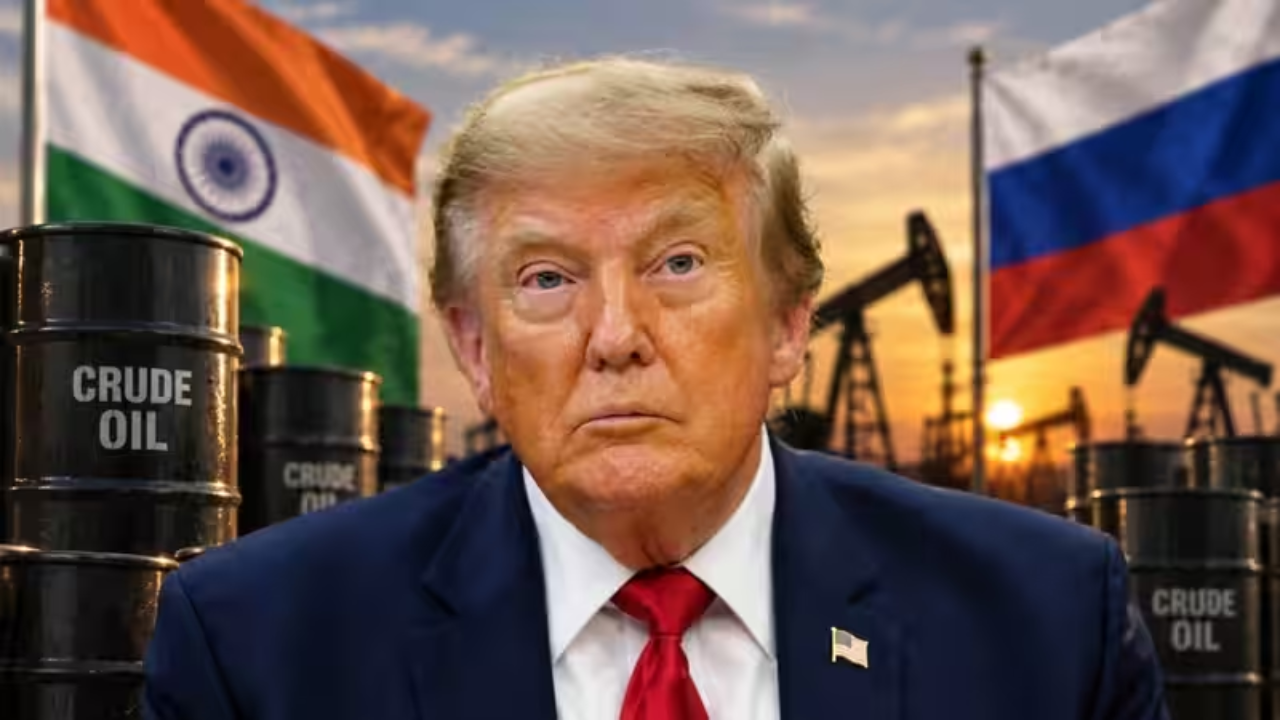
Key facts
- •The law authorizes tariffs of up to 100% on the five largest purchasers of Russian energy.
- •The legislation targets Russia's shadow fleet and extends the Iran Sanctions Act for five years.
- •The bill passed the House with a 262-159 vote following an 86-11 Senate approval in August.
- •India and China are identified as major purchasers of Russian crude oil.
- •The act is named for Senator Lindsey Graham, who died in July 2026.
U.S. President Donald Trump signed the "Lindsey O. Graham Sanctioning Russia and Iran Act of 2026" into law on Friday, September 18, 2026. The legislation grants the administration authority to impose tariffs of up to 100% on the five largest buyers of Russian oil or natural gas. The law also targets Russian officials, banks, and the country's shadow fleet, while extending existing sanctions on Iran for five years.
By the numbers
Scope and Legislative Background
Named after the late Republican Senator Lindsey Graham, the bill passed the Senate with an 86-11 vote in August before clearing the House 262-159 earlier this week. The administration supported the measure, stating the new powers are intended to pressure Russia toward a resolution of the war in Ukraine.
International Reaction
India expressed concern regarding the legislation, warning that it could impact India-US relations, energy security, and trade interests. New Delhi stated it had discussed these implications with US officials at high levels. Meanwhile, Russia claimed the sanctions could complicate peace settlement efforts, and China rejected the measure as an example of US "long-arm jurisdiction."
Timeline
- July 2026Senator Lindsey Graham passed away.
- August 2026The Senate passed the sanctions legislation with an 86-11 vote.
- September 18, 2026President Trump signed the sanctions bill into law.
Advertisement
This article was independently rewritten by ManyPress editorial AI from reporting originally published by Nikkei Asia, Times of India.

/file/attachments/2998/13838240_968395.jpg)

