Banski chestnut honey and Čepin cabbage have received European Union protected designation of origin status, bringing Croatia's total to 54 protected products.
Key facts
- •Croatia now has 54 products registered at the EU level under quality schemes.
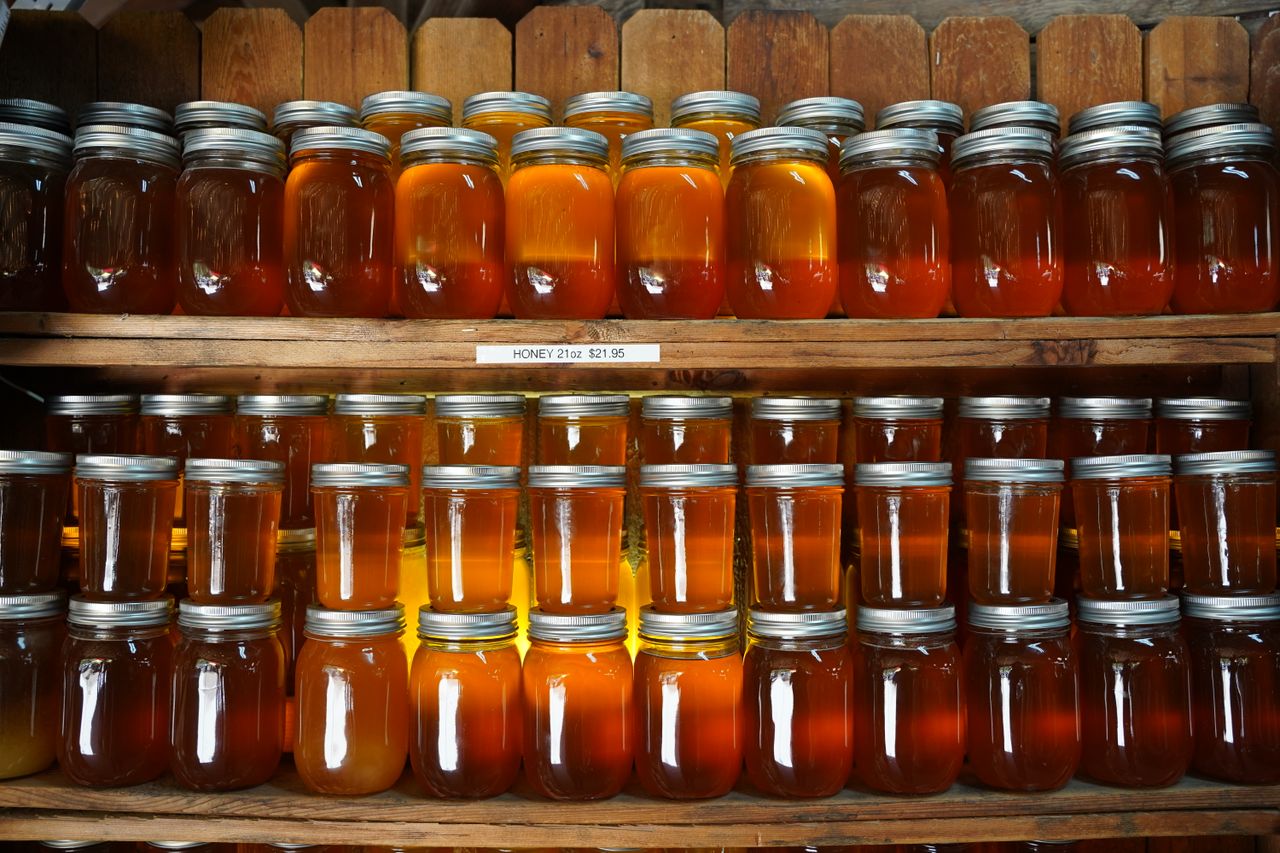
- •Banski chestnut honey is produced from sweet chestnut blossoms in the Banovina region.
- •The Petrinja Beekeeping Association submitted the application for Banski chestnut honey.
- •The ČEPINAC association submitted the PDO application for Čepin cabbage.
- •The local white cabbage variety used for Čepin cabbage was officially recognized in 2016.
- •Minister of Agriculture, Forestry and Fisheries David Vlajčić stated that Slavonian ham is expected to be added to the list soon.
Two traditional Croatian food products, Banski chestnut honey and Čepin cabbage, have officially received European Union protected designation of origin (PDO) status. The latest additions bring Croatia's total number of EU-protected agricultural and food products to 54. Minister of Agriculture, Forestry and Fisheries David Vlajčić welcomed the registrations, stating that Slavonian ham is expected to join the list soon.
Banski Chestnut Honey and Čepin Cabbage
Banski chestnut honey is produced from sweet chestnut blossoms in the Banovina region of central Croatia. It is known for its amber color, intense aroma, and pronounced bitterness, with the application submitted by the Petrinja Beekeeping Association. Meanwhile, Čepin cabbage is a recognized local variety of white cabbage known for its pronounced aroma, sweet and bitter flavor, and crisp yet tender texture. Its application was submitted by the ČEPINAC association, with production tied to a defined geographical area and a traditional local variety officially recognized in 2016.
EU Quality Schemes and Protection
EU quality schemes protect the names of products tied to specific geographical areas or traditional production methods to help distinguish authentic items from imitations. Under the PDO scheme, a product's characteristics must be exclusively linked to its geographical environment, requiring all production stages to take place within the defined area. The Ministry of Agriculture, Forestry and Fisheries maintains a catalogue of all protected Croatian products on its official website.
Advertisement
This article was independently rewritten by ManyPress editorial AI from reporting originally published by Croatia Week.