A new NHS service allows women to obtain the morning-after pill for free at local pharmacies without an appointment.
Key facts
- •The morning-after pill is most effective the sooner it is taken after unprotected sex.
- •An IUD can be fitted by a medical professional within five days of unprotected sex to prevent pregnancy.
- •The new service allows for confidential, same-day access to emergency contraception without an appointment.
- •Participating pharmacies can be located through an online NHS tool.
- •Dr. Sue Mann, NHS National Clinical Director for Women's Health, stated the service is particularly beneficial for women in deprived communities.
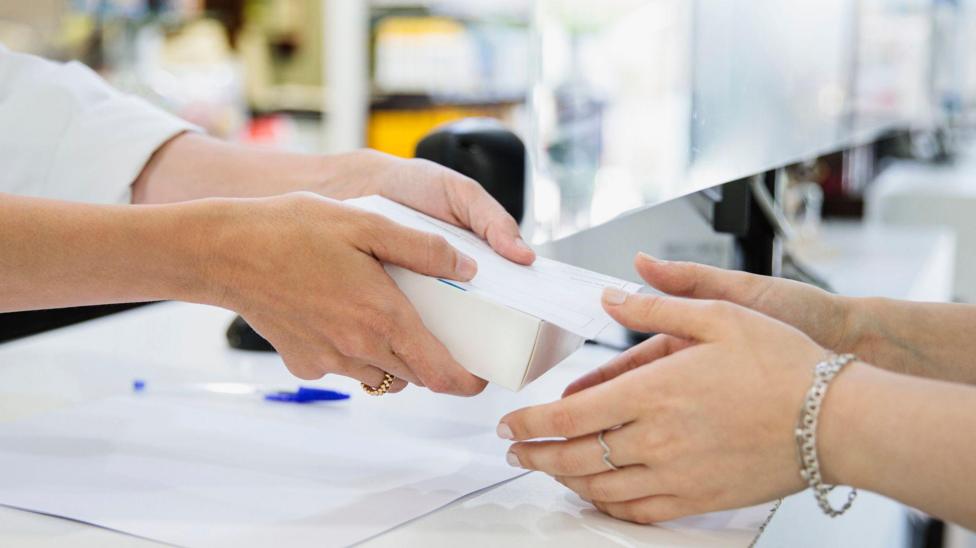
The UK government has launched a free pharmacy-based service for emergency contraception to eliminate geographical disparities in access. Women can now receive a confidential consultation and medication on the same day from trained pharmacists or pharmacy technicians, removing the previous requirement to book appointments with GPs or sexual health clinics.
By the numbers
How the service functions
The initiative aims to address what the government described as an unfair 'postcode lottery' regarding access to emergency contraception. By visiting a participating pharmacy, women can access the medication immediately after a consultation. All participating staff have completed specialist training to provide both emergency contraception and broader contraceptive care.
Clinical context and usage
Emergency contraception is designed to prevent unwanted pregnancies by delaying or preventing the release of an egg, though it is only effective if ovulation has not yet occurred. While the morning-after pill must typically be taken within three to five days of unprotected sex, an alternative option—the intrauterine device (IUD)—can be fitted by a doctor or nurse within 120 hours. In the 2024/25 period, there were approximately 150,000 NHS prescriptions for the morning-after pill.
Advertisement
This article was independently rewritten by ManyPress editorial AI from reporting originally published by BBC Health.