Ukraine and Nepal are among the 14 nations elected to the UN Human Rights Council for a three-year term starting in 2027.

ManyPress
ManyPress Editorial
Key facts
- •Ukraine received 162 votes from UN member states to secure its seat on the council.
- •Nepal achieved the highest vote count in its regional group with 173 out of 180 votes cast.
- •The 14 newly elected members will serve three-year terms beginning in 2027.
- •Ukraine’s stated priorities include addressing the deportation of children and investigating Russian human rights violations.
- •The UN Human Rights Council consists of 47 member states elected by the General Assembly via secret ballot.
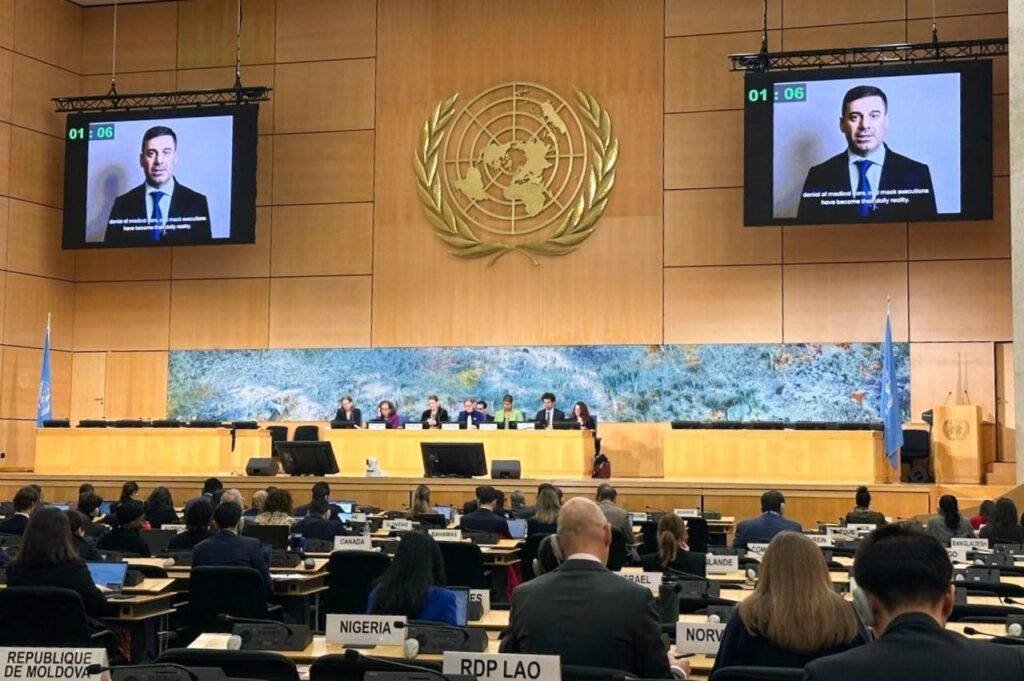
The UN General Assembly elected Ukraine and Nepal to the UN Human Rights Council for the 2027–2029 term during a vote held on 13 October. Ukraine secured its seat with 162 votes, while Nepal received 173 votes, the highest number among the countries elected in its regional group. The 47-member council, based in Geneva, is responsible for promoting and protecting human rights globally through mechanisms such as the Universal Periodic Review and the appointment of independent experts.
By the numbers
Ukraine's Priorities and Diplomatic Goals
Ukraine’s Permanent Mission to the UN described the election as a significant diplomatic achievement following over a year of campaigning. Foreign Minister Andrii Sybiha stated that Kyiv intends to use its membership to push for accountability regarding Russian human rights violations and international humanitarian law breaches occurring during the ongoing war. Ukraine plans to focus on documenting abuses, advocating for the protection of prisoners of war, and securing the return of Ukrainian children who have been forcibly transferred or deported. This term marks Ukraine’s fifth time serving on the council, having previously held seats in 2006–2008, 2008–2011, 2018–2020, and 2021–2023.
Nepal's Commitment and Council Role
Nepal’s election to the council follows its previous service for two consecutive terms from 2018 to 2023. In a statement, the government expressed its commitment to multilateralism and a rules-based international system. Nepal intends to work with other member states to advance social justice, inclusion, and equitable development, while upholding the universality of human rights. The council, which was established in 2006, operates through a secret ballot process where seats are allocated among regional groups. In addition to Ukraine and Nepal, the General Assembly elected Brazil, Ghana, the Dominican Republic, Zambia, Ireland, Jordan, Kuwait, Moldova, Nigeria, Germany, Uruguay, and Japan to serve alongside them for the upcoming term.
Advertisement
This article was independently rewritten by ManyPress editorial AI from reporting originally published by Euromaidan Press, Ukrainska Pravda (English), Kathmandu Post.